What to Do to Avoid Risk
The bite of a tick can go unnoticed but can transmit diseases like Lyme disease. It is essential to remove it with tweezers without crushing it, disinfecting the area and monitoring any symptoms in the next 30 days.
To prevent bites, wear long clothes, use repellents and always check the skin after outdoor walks.
The bite of a tick can be dangerous, as these parasites can transmit infectious diseases such as Lyme disease and TBE (timensque encephalitis). Knowing how to behave in case of bite is essential to remove the tick properly and avoid complications.
Find out what to do immediately and which signals to monitor after the bite.
1. How to Recognize a Tick Bite
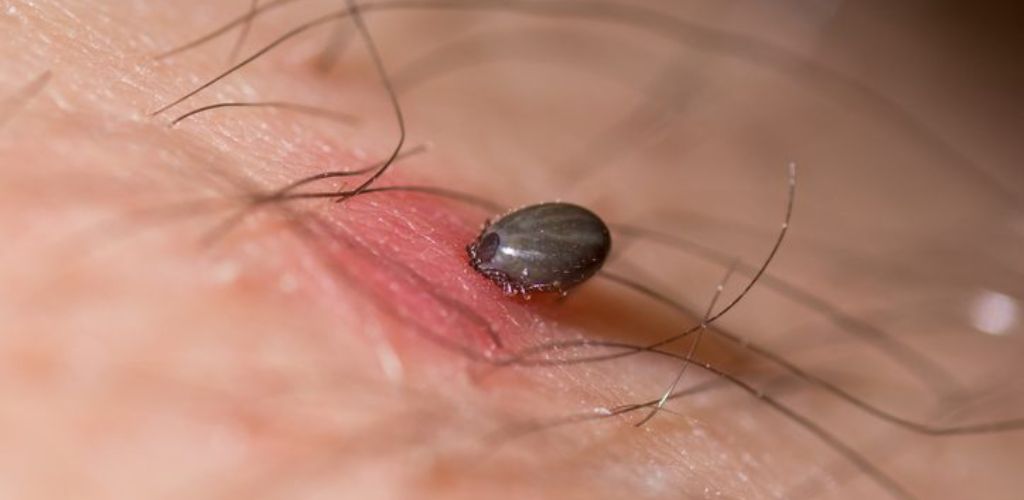
The bite of a tick often does not cause pain, but can be identified by:
- Tick Presence attached to the skin.
- Local redness.
- Swelling or light itching.
- Possible reddish halo around the bite point (to be monitored in the following days).
2. What to Do Immediately After the Bite
If you notice a tick attached to your skin, follow these steps:
Remove the tick properly
- Use a fine-tipped tweezers to grab the tick as close as possible to the skin.
- Pull gently and with constant upward movement, without crushing the body of the parasite.
- Do not twist or tear the tick to avoid leaving parts of your body under the skin.
- Disinfects the area with alcohol or an antiseptic.
- Eliminate the tick by immersing it in alcohol or locking it in a bag to throw it away.
What not to do
- Do not use oil, alcohol or flames to remove the tick: they could regurgitate it, increasing the risk of infection.
- Do not crush the tick with your hands.
3. After removal: monitor any symptoms
After removing the tick, look at the area of the bite for at least 30 days. Contact a doctor if they appear:
- Migrant erythema: a red halo that widens around the bite.
- Fever, headache, joint pain or fatigue.
- Neurological symptoms such as numbness or weakness.
4. How to Prevent Tick Bites
- Wear light and long clothes when walking in grassy or wooded areas.
- Use specific repellents for the skin and clothing.
- Inspect the body and clothes after outdoor activities.
- Also check pets, which can bring ticks into the house.
The bite of a tick requires attention and timely intervention to avoid the risk of infection. Removal should be done with care and without improvisation, monitoring any symptoms in the following days.
By following these directions and taking preventive measures, you can reduce the risk of bites and protect your health.