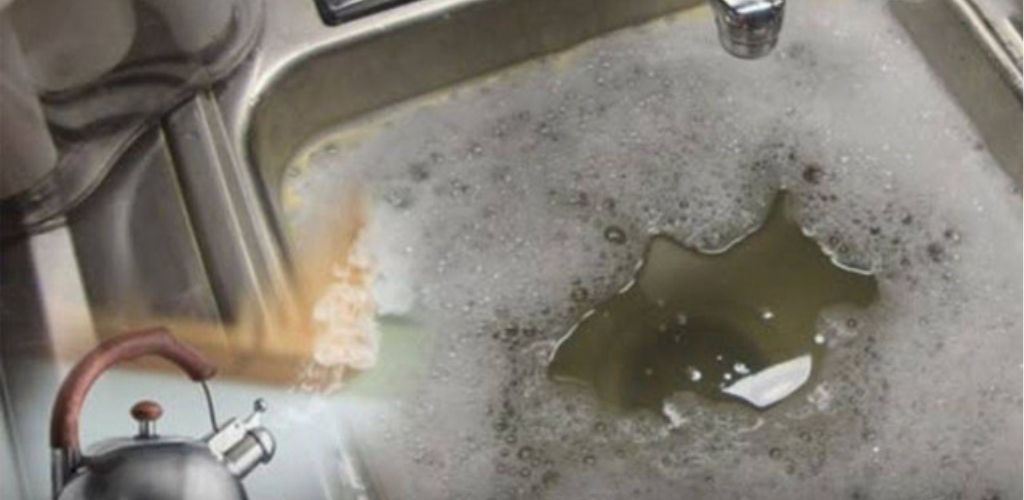
Clogged Drains: Simple Solutions for a Healthy Home
A clogged drain can disrupt daily life, especially in apartments where space is limited and water flow is crucial. Tasks like washing hands, cleaning dishes, and taking a shower become challenging when water doesn’t drain properly. Additionally, blocked drains can lead to overflow, unpleasant odors, and bacterial growth, posing health risks. Common causes include vegetable peels, food scraps, grease, hair, and dust accumulation. Before dismantling your plumbing, try these effective methods to clear the drain.
Practical Methods to Unclog Your Drain
- Use a Drain Cleaning Tool
If a foreign object is causing the blockage, use a small drain tool to remove it. These tools are designed to reach narrow spaces and effectively remove debris, grease buildup, and tangled hair. No specialized tool? Bend a piece of metal wire into a hook or use a sturdy straw with angled edges. Ensure all parts are secure to prevent them from getting stuck and worsening the clog. - Plunger Method
Applying pressure with a plunger can help push stuck debris through the pipes. This method works well for blockages caused by solid objects, though it may be less effective against grease clogs. - Baking Soda and Vinegar (or Citric Acid)
If mechanical methods fail, try a chemical reaction. Pour baking soda into the drain, add white vinegar or citric acid, and follow with warm water. This combination generates carbon dioxide, creating air pressure that helps break up the clog. Wait about 30 minutes for the foaming action to work before rinsing with warm water. This method also neutralizes odors effectively.
- Dish Soap and Warm Water
Mix one part dish soap with three parts hot water, stir until fully combined, and pour along both sides of the drain. Dish soap contains sodium alkylbenzenesulfonate, which helps dissolve grease and grime buildup. - Commercial Drain Cleaner
Specialized drain powders are highly effective for dissolving stubborn clogs. Always wear gloves, a mask, and protective clothing when using these products for safety.
Preventing Future Clogs
To reduce the risk of future blockages, install a drain filter or use a fine-mesh strainer to catch debris. Since grease is a common culprit, flush the drain with warm (not boiling) water after washing dishes to help dissolve grease buildup.
Avoid using boiling water, as it can damage or warp pipes, creating more serious problems. Following these tips helps maintain a clean, healthy sink, ensuring a safer and more hygienic home environment.
Keep your drains clean and your home healthy! Share this guide with friends, like our page, and follow us for more practical home tips.