The Secret to Honey-Sweet Currants: Old-Fashioned Pest Protection That Actually Works
Do you dream of a bountiful harvest of currants that are as sweet as honey and free of any imperfections? There is an ancient protection method that our ancestors used for decades, and today it still works better than modern synthetic chemicals. By reaching for humble ingredients in your kitchen, you can prepare a natural bath for your plants that will keep pests far away from your property. This eco-friendly approach ensures that your berries remain healthy, organic, and safe for your family to enjoy.
Hidden Threats Destroying Your Currant Bushes
Growing currants might seem simple at first glance, but the reality in the garden is often different. Immediately after winter, plants face attacks from overwintered enemies waiting for the first warm rays of sun. The biggest problems are mites and aphids, which can suck the life out of young buds before they even have a chance to unfurl. If you underestimate this moment, your harvest will be weak, resulting in small, sour fruits. Additionally, fungal diseases like anthracnose threaten the stems and leaves, surviving in old wood and the soil beneath the bush.
Why Commercial Sprays Aren’t Always the Answer
Many gardeners rush to the store for heavy pesticides at the first sign of trouble. While these products kill insects, they also leave chemical residues in the fruit—something we definitely don’t want in our diet. Furthermore, chemical currant sprays kill beneficial pollinators like bees, disrupting the natural balance of your garden for months. Creating a homemade alternative is not only ecological but also extremely easy on your wallet. Using the power of plants you already have at home ensures healthy fruit for your entire family.
Natural Pest Control Ingredients and Their Functions:
| Ingredient | Active Compound | Function in the Garden |
| Garlic | Allicin & Sulfur | Natural antibiotic and pest repellent |
| Potassium Soap | Fatty Acids | Breaks down insect membranes |
| Vegetable Oil | Lipids | Suffocates soft-bodied pests |
| Nettle Infusion | Nitrogen & Minerals | Boosts plant immunity and growth |
Step-by-Step: Preparing the Garlic Elixir
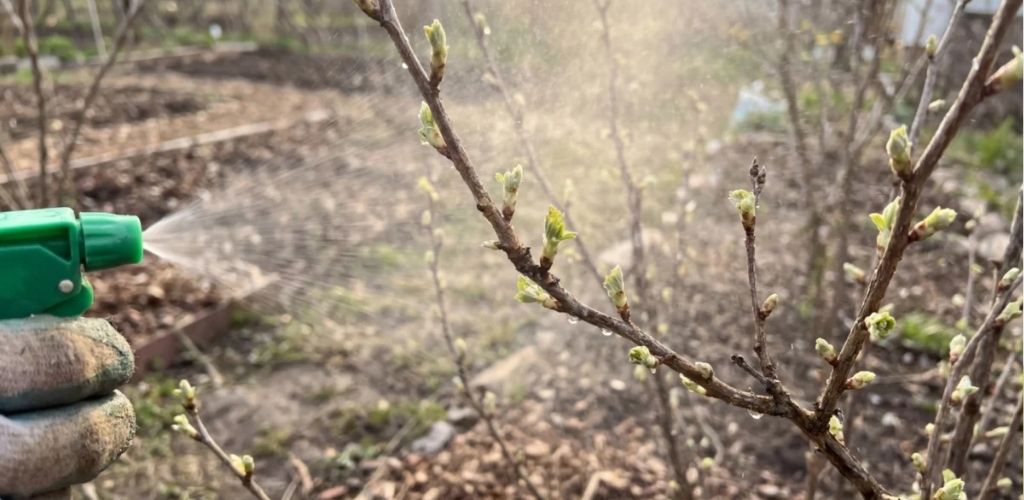
Garlic is a garden miracle thanks to its high sulfur content. To make the spray, chop 8 to 10 heads of garlic (including the husks, which contain concentrated aromatic oils). Place this mixture in a large pot with 8 liters of soft water. Bring to a boil and simmer on low heat until the garlic is completely soft. Once cooled, use a blender to mix the contents into a fine suspension, then strain it through a thick cloth. Apply this currant spray before the growing season starts, targeting pests while they are still in the egg or larval stage.
Mechanical Protection with Soap and Oil
If you already see aphid colonies on your bushes, you need a mechanical remedy. Potassium soap works by disrupting the protective layer of the insect. Dissolve 200 grams of soap in a liter of warm water and add two tablespoons of vegetable oil. The oil creates an airtight film on the insect’s body, preventing it from breathing and stopping its reproduction. This method is highly effective against whiteflies, scale insects, and aphids. For the best results, mix this soap solution directly into your garlic extract for a triple-action formula.
Nettle Fermentation: A Spring Vitality Booster
If nettles grow in your garden corner, use them as another powerful tool. Pests naturally hate this plant. Fill a non-metal container two-thirds full with fresh nettles collected before they flower, and cover them with rainwater. Let the mixture ferment in a sunny spot for two to three weeks, stirring occasionally. Once the bubbling stops, you have a concentrated liquid rich in nitrogen. Dilute it 1:10 with water to create a fertilizer and protective spray that improves the overall condition of your currants, making them less susceptible to insect attacks.
Are you ready to enjoy the best currant harvest of your life? We regularly share hidden gardening secrets and natural DIY tips to help you grow the perfect organic garden! If you found this guide helpful, please SUBSCRIBE to our page, give us a LIKE, and SHARE this post with your friends and family. Have you tried any of these natural sprays before? Share your garden success stories in the comments—we’d love to hear from you!