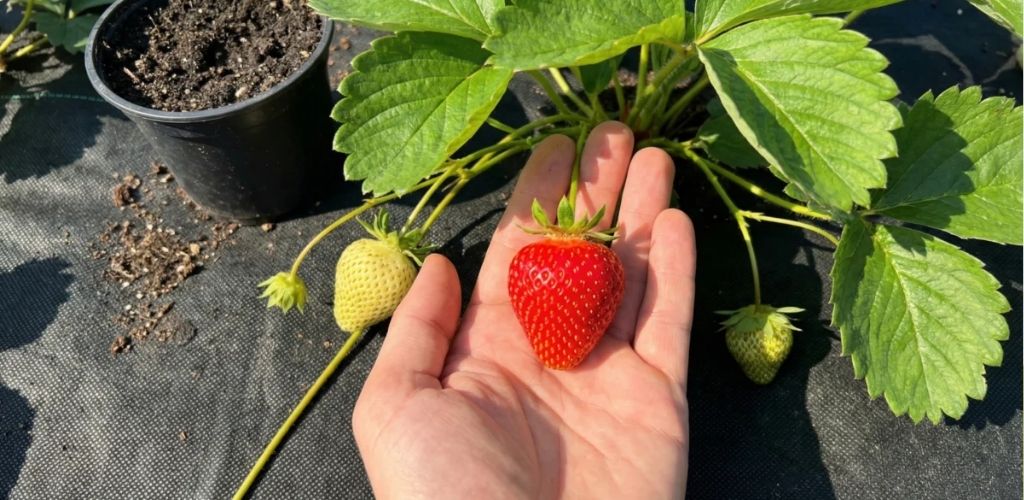
The Ultimate Guide to Spring Strawberry Planting: Secrets for a Bountiful Harvest
Many gardeners worry that if they missed the autumn window, their dreams of sweet, homegrown fruit will vanish. However, the opposite is true. Correctly planting strawberries in the spring months can yield results you never imagined. By following a few key steps, you can turn a struggling seedling into an explosion of flavor. Success lies in the details—from how you treat the roots to the exact depth they sit in the earth.
Why Spring Planting Often Leads to Disappointment
The biggest enemy of a novice grower is impatience. Often, we buy seedlings and thrust them into compacted, unprepared soil without a second thought. In these conditions, the plant fights for survival instead of investing energy into blossoms and fruit. After winter, the ground is frequently depleted of air and the vital nutrients required for rapid root development. Without a proper “home,” even the best variety will fail to thrive.
Another critical mistake is incorrect planting depth, which can literally suffocate or dehydrate the strawberry. If you cover the “heart” (the central crown) with soil, it will rot before it can push out its first new leaf. Conversely, if the roots are exposed too high above the surface, they will dry out in the spring sun. Precision during the initial planting phase is the single most important factor in determining your harvest’s success.
First Aid for Seedlings and Ideal Soil Parameters
As soon as you bring your seedlings home, give them a regenerative bath. Submerge their roots in cool water for a few hours to replenish moisture lost during transport. While they hydrate, prepare a site with deep, loose soil—ideally tilled to a depth of at least 20 centimeters. Strawberries thrive in nutrient-rich, loamy-sandy soil with high humus content that stays moist but drains well. If your garden has heavy clay, mix in a peat substrate to achieve a slightly acidic to neutral pH.
Optimal Strawberry Planting Conditions:
| Factor | Ideal Requirement | Why It Matters |
| Sunlight | Full sun (6-8 hours) | Powers sugar production and sweetness |
| Soil pH | 5.5 – 6.5 (Slightly acidic) | Ensures optimal nutrient uptake |
| Spacing | 30–40 cm between plants | Prevents mold and allows airflow |
| Depth | Crown at surface level | Prevents rot and root desiccation |
Precision Planting Techniques and Watering Logic
When digging your holes (roughly 15×15 cm), ensure the roots point straight down without curling. The key is the “heart” of the plant; it must sit exactly at the soil line. Once positioned, fill the hole and firm the soil with your hands to remove air pockets. Immediately after planting, water the bed generously. Strawberries are highly sensitive to drought, but they must never sit in stagnant water, as this leads to irreversible root decay. Always water early in the morning, directing the flow to the base rather than the leaves
Garden Geometry and Companion Planting Secrets
If space is limited, you don’t have to stick to traditional rows. Pyramidal planters or vertical gardens are excellent for maximizing small areas. Interestingly, strawberries love the company of onions or garlic. Planting these between your strawberry rows naturally repels pests and suppresses the development of grey mold. Another pro tip is mulching with straw or wood wool before the fruit ripens; this keeps the berries off the damp ground, ensuring they stay clean and rot-free.
The Hidden Benefits of Strawberry Leaves
Strawberries are about more than just the red fruit we all love. Young strawberry leaves are highly valuable and can be used to prepare medicinal teas. Rich in tannins, they support digestive health and general body regeneration. While wild or forest strawberries are preferred for medicinal use, garden cultivars are also beneficial, provided they haven’t been chemically treated. This makes your strawberry patch a dual-purpose addition to both your kitchen and your natural pharmacy.
Are you ready to enjoy the sweetest harvest of the year? We regularly share expert gardening hacks and secret DIY tips to help your garden reach its full potential! If you found this planting guide helpful, please SUBSCRIBE to our page, give us a LIKE, and SHARE this post with your fellow gardeners. Do you have a favorite strawberry variety or a secret tip for bigger berries? Let us know in the comments—we’d love to hear from you!