How to Get Rid of Moles Naturally: Expert Tips for a Perfect Lawn
A beautiful lawn without a single mound of earth is every homeowner’s dream, but the reality is often filled with frustration. If you are struggling with unwanted underground guests, there is a subtle yet extremely effective way to reclaim your yard without resorting to expensive chemicals or cruel traps. By understanding why moles love your property, you can turn their strengths—like their incredible sense of smell—into their greatest weakness.
Why Moles are Attracted to Your Garden
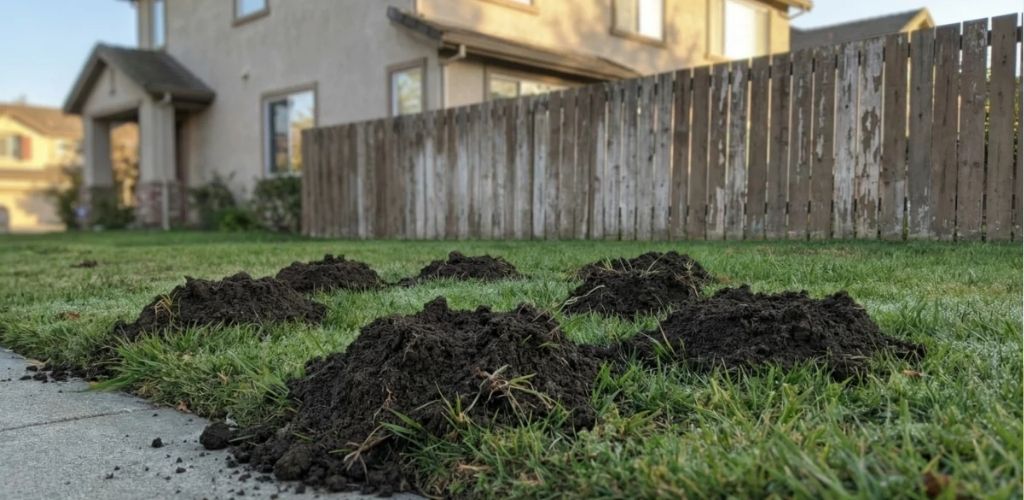
Having your own garden brings peace and joy, but uninvited visitors can quickly spoil the mood. The common mole (Talpa europaea) is primarily searching for food, not looking for a conflict with you. If your soil is high-quality and full of earthworms or larvae, it becomes an irresistible buffet for this small mammal. Moles aren’t concerned with the aesthetics of your English lawn; they are building a vast network of tunnels that act as insect traps. The byproduct of this engineering is the unfortunate molehill. These mounds not only ruin the look of your garden but can also damage the root systems of young plants and create dangerous uneven patches in the grass.
Using Scent to Drive Moles Away Permanently
While moles are nearly blind, their sense of smell is developed to perfection. This is the key vulnerability you must exploit to protect your landscape. Moles navigate by delicate scent trails, and if their environment stops smelling “right,” they will quickly pack up and move to the neighbor’s yard. Many plants secrete substances into the soil that are repulsive to moles. Strategically planting these or using their parts directly in the field can create a powerful natural barrier.
Top Natural Mole Repellents:
| Method | Material | Why it Works |
| Elderberry | Fresh twigs | Irritating aromatic compounds |
| Garlic/Onion | Cloves or peels | Strong, aggressive scent |
| Pet Hair | Dog or cat fur | Signals the presence of a predator |
| Coffee Grounds | Used grounds | Natural nitrogen source with a sharp scent |
The Elderberry Hack: A Natural Secret Weapon
The Black Elderberry is a common shrub, but few know its repellent effects. Its branches contain specific aromas that irritate moles intensely. To use this method, cut fresh elderberry twigs and remove the leaves. Simply stick these rods into the ground where you see the most activity. For even better results, place chopped pieces of elderberry directly into open tunnels. When the mole encounters this scent barrier, it will begin looking for a way out. Repeat this process at least once a week until all signs of activity disappear. It is a cheap, eco-friendly, and completely safe solution for your garden.
Tricks with Hair and Household Staples
One of the best solutions is something people usually throw away: dog hair. After brushing your pet, take the fur—which carries the strong scent of a predator—and push it deep into the molehill. Moles have an innate instinct to avoid areas where they sense a hunter. Human hair works similarly, signaling danger to wild animals. Additionally, sliced garlic cloves or onion peels placed in the tunnels provide an aggressive odor that spreads quickly through narrow passages. Even old lemons or coffee grounds can create enough of a disturbance underground to ward off these pests.
A Combined Strategy for Long-Term Success
The best results are achieved through persistence and a combination of methods. Surround the edge of your property with aromatic bulbs like daffodils or Imperial Crowns, which moles find repulsive. If natural methods feel too slow, consider solar-powered ultrasonic repellers that use a mole’s sensitivity to vibrations. These devices emit regular pulses that sound like heavy machinery underground, making it impossible for the mole to hunt in peace. By combining these modern technologies with natural repellents like elderberry and pet hair, you create an impenetrable shield. Patience and respect for nature will eventually reward you with that perfect, flawless green carpet.
Do you want more expert gardening advice and eco-friendly home hacks? If this guide helped you save your lawn, make sure to SUBSCRIBE to our page for more! Please give us a LIKE and SHARE this post with your friends and family. Do you have a secret trick for dealing with moles? Let us know in the comments—we love hearing your gardening success stories!