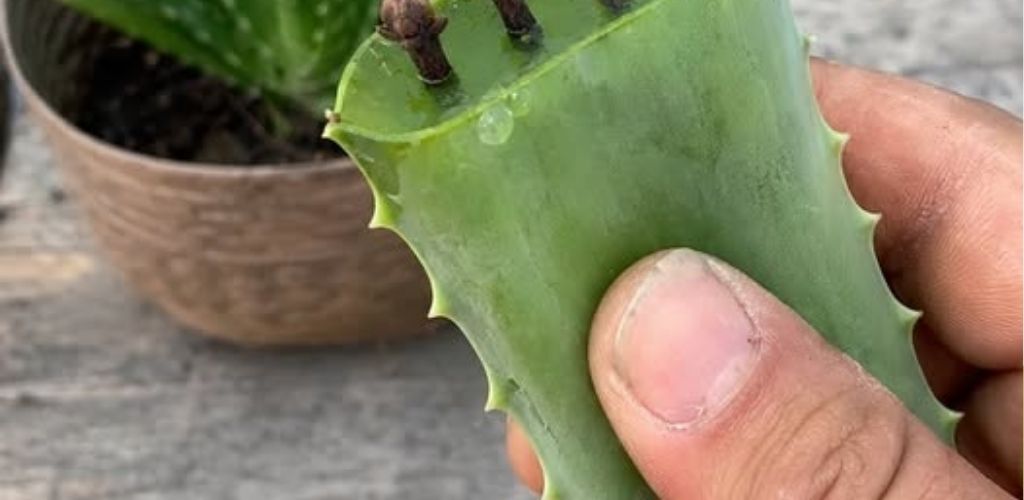
The Cloves and Aloe Vera Viral Myth: Botanical Science vs. Internet Trends
When a viral gardening hack combines two powerhouse ingredients like aromatic cloves and medicinal Aloe Vera, the internet takes notice. For centuries, cloves (Syzygium aromaticum) have been prized as culinary treasures and natural preservatives. Meanwhile, Aloe Vera holds a legendary status for its healing properties and resilience. Merging these two creates an irresistible narrative: if you combine these “special” ingredients, something miraculous should happen. But does science support the hype?
The Biology of Cloves: Why Most Don’t Germinate
To understand the experiment, we must separate symbols from biology. The cloves found in your kitchen are actually dried flower buds of the clove tree. Crucially, these are harvested before they open and are then dried. Unlike a potato that sprouts from living tissue or a bean that is a viable seed, a commercial dried clove is not designed to reproduce. In most cases, the biological life within a dried spice is long gone, making germination nearly impossible regardless of the medium used.
Aloe Vera in Gardening: What It Actually Offers
While the cloves themselves might lack the spark of life, the Aloe Vera component of this hack does offer legitimate benefits for plant care. Aloe Vera gel is a natural humectant; it retains moisture, prevents rapid drying, and creates a cool environment for plant matter. Many gardening enthusiasts use Aloe gel to help hydrate cuttings or protect seeds from initial dehydration. It acts like a natural sponge, providing water and mucilage to anything inserted into it.
Comparison of Natural Germination Aids
| Ingredient | Primary Function | Effectiveness |
| Aloe Vera Gel | Hydration & Moisture Retention | Moderate (Great for cuttings) |
| Honey | Antifungal & Antibacterial | High (Protecting wounds) |
| Cinnamon | Natural Fungicide | High (Preventing root rot) |
| Commercial Hormones | Root Stimulation | Very High (Professional standard) |
Why Viral Videos Show Success
If science suggests dried cloves won’t grow, why do some videos show thriving green shoots? There are several possibilities: the use of fresh seeds instead of dried spices, clever video editing, or even “volunteer” sprouts from other plants already present in the soil. It isn’t always an intentional deception; often, it is an optimistic interpretation of a process. The key takeaway for any gardener is that the viability of the starting material matters far more than the secret “booster” used.
Turning Viral Content into a Real Experiment
Instead of dismissing these hacks or following them blindly, you can turn them into a fun learning opportunity. This is the best way to interact with social media trends. Try setting up a small “three-pot” trial at home to see what happens:
- Pot A: Dried cloves inserted into Aloe Vera.
- Pot B: Dried cloves placed directly into moist soil.
- Pot C (Control): Viable seeds like lentils or basil in soil.Keep all three in the same conditions: indirect light and stable temperature. Within two to four weeks, you will see the truth for yourself. Gardening often teaches us more through failure than success, as a seed that doesn’t sprout still provides an answer.
The Hidden Value of Gardening Trends
Even if some hacks don’t work as promised, they fulfill an unexpected mission: they spark curiosity. Someone might click on a “secret method” and end up discovering a lifelong passion for real plant propagation, composting, or herb gardening. Use these videos as inspiration, but always verify them with small-scale tests and reliable botanical sources. Keep your enthusiasm high, but keep your critical thinking higher. That is the only way to truly grow as a gardener.
Did you find this gardening breakdown helpful? If you want to see more science-backed plant tips, make sure to SUBSCRIBE to our page, give this post a LIKE, and SHARE it with your fellow plant lovers! Have you ever tried a viral gardening hack that actually worked? Let us know in the comments below!