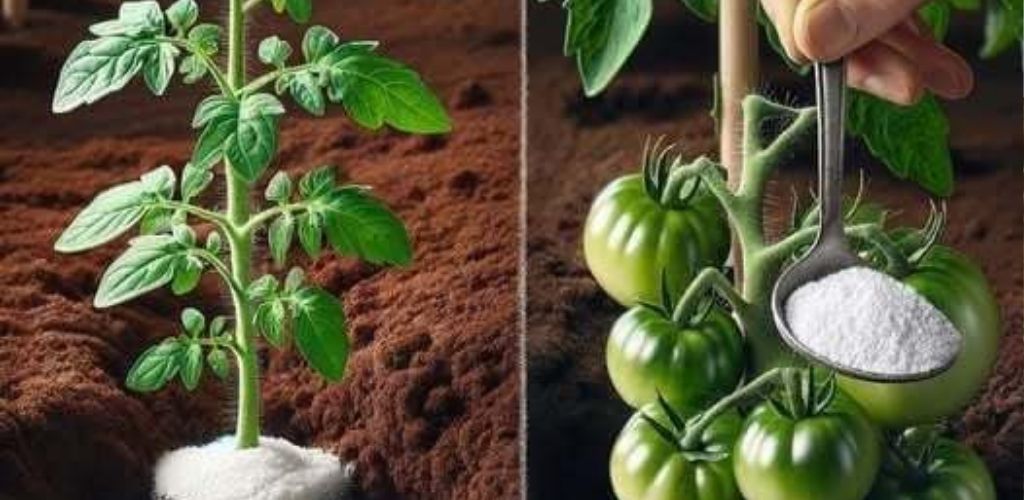
The Ultimate Fresh Manure Liquid Fertilizer: A Natural Game-Changer for Giant Tomato Yields
In the world of sustainable home gardening, the incredible power of organic solutions frequently outshines expensive chemical alternatives. Among these traditional methods, a remarkably straightforward yet highly potent combination has resurfaced as a favorite among master gardeners: a simple mix of fresh manure and water. Often referred to as “manure tea,” this nutrient-dense liquid fertilizer has completely transformed the way people approach tomato cultivation. It offers a highly effective, completely natural, and regenerative method to nourish young plants, enhance soil structure, and unlock maximum fruit production. Let us dive deep into this time-tested gardening shortcut, exploring the exact recipe and the long-term benefits it brings to your backyard patch.
Step-by-Step Guide to Crafting the Ultimate Organic Manure Tea
Creating this liquid gold from scratch is an easy process that relies on natural fermentation to release locked-up nutrients. To ensure your safety and protect your vegetable beds from unwanted weeds, it is crucial to use manure exclusively from healthy herbivorous animals, such as cows, horses, goats, or rabbits. Follow these clear steps to safely brew your homemade plant stimulant:
- Collect Fresh Manure: Start by filling half a standard bucket with fresh manure. Using fresh material is critical because it contains the highest concentration of volatile nitrogen and active, beneficial microbial life that dry, aged variants often lose.
- Mix Thoroughly with Water: Place the fresh manure into a larger container or deep barrel and submerge it entirely with clean, non-chlorinated water. While exact ratios can vary, a safe rule of thumb is to completely cover the organic material with water, leaving a few inches at the top for fermentation gasses.
- Allow for Fermentation: Let the mixture steep in a warm, sunny spot for 3 to 5 days, stirring it vigorously once or twice a day. This step accelerates the breakdown of organic matter, stimulating beneficial bacteria and fungi while enriching the water with minerals.
- Strain and Dilute: Once the liquid transforms into a deep, dark amber color and gives off a rich, earthy aroma, your fertilizer is fully brewed. Strain the liquid through cheesecloth or a fine mesh to remove any solid debris, and dilute the remaining concentrate with clean water until it resembles the color of weak tea.
Strategic Application Timing for Healthy Roots and Vigorous Growth
To achieve the best results without risking accidental root burn, the application of your diluted organic manure tea must be done with care. Thoroughly drench the soil around the base of your tomato plants, ensuring the nutrient-rich moisture reaches deep into the active root zone. For optimal fruit production, repeat this root-feeding process every two to three weeks throughout the main growing season. This consistent routine provides a steady supply of nutrients just as the plants transition from vegetative leaf growth into heavy flowering and fruit setting.
Five Key Benefits of Using Natural Manure Liquid Fertilizer
Switching from store-bought chemical bottles to this traditional bio-stimulant completely reorganizes the biological structure of your garden beds. Unlike synthetic alternatives that only feed the plant while slowly degrading the ground underneath, this natural approach addresses the entire ecosystem. The primary advantages of incorporating this method into your routine are detailed below:
Performance Matrix of Natural Manure Fertilizer vs. Synthetic Options
| Evaluation Criteria | Fresh Manure Liquid Fertilizer | Commercial Synthetic Fertilizer |
| • Nutrient Profile | Rich in nitrogen ($N$), phosphorus ($P$), potassium ($K$), and essential micronutrients. | High in primary macronutrients but completely lacks trace minerals. |
| • Soil Microbiome | Maximizes microbial diversity, adding beneficial bacteria and fungi. | Sterilizes the soil over time, destroying local earthworm populations. |
| • Moisture Retention | Deposits rich organic matter that improves water-holding capacity. | Does absolutely nothing to enhance soil density or water retention. |
| • Cost Efficiency | Completely free or highly budget-friendly using household scraps. | Expensive, requiring continuous repurchases every single season. |
Restoring Long-Term Soil Health and Environmental Sustainability
Beyond the immediate boost in tomato size and flavor, this liquid fertilizer acts as a powerful restorative agent for the earth. The intense fermentation process promotes massive microbial activity, introducing millions of beneficial microorganisms that play a key role in nutrient cycling. These microscopic allies break down complex matter, making hidden minerals easily accessible to your plants while simultaneously improving soil aggregation and moisture retention. Utilizing local organic waste materials represents a beautifully sustainable, closed-loop approach to home agriculture. By recycling livestock bioproducts, home gardeners can drastically lower their carbon footprint and promote a truly regenerative agricultural system right in their backyards.
Ultimately, this age-old tomato fertilizer highlights the incredible potential of working alongside nature rather than relying on chemical shortcuts. As we collectively move toward more eco-friendly lifestyle choices and sustainable food systems, adopting simple, zero-waste gardening hacks paves the way for healthier families and cleaner soil. Treat your tomato patch to a dose of homemade manure tea this week, watch your vines transform, and enjoy the rich, authentic taste of truly organic produce. Happy gardening!