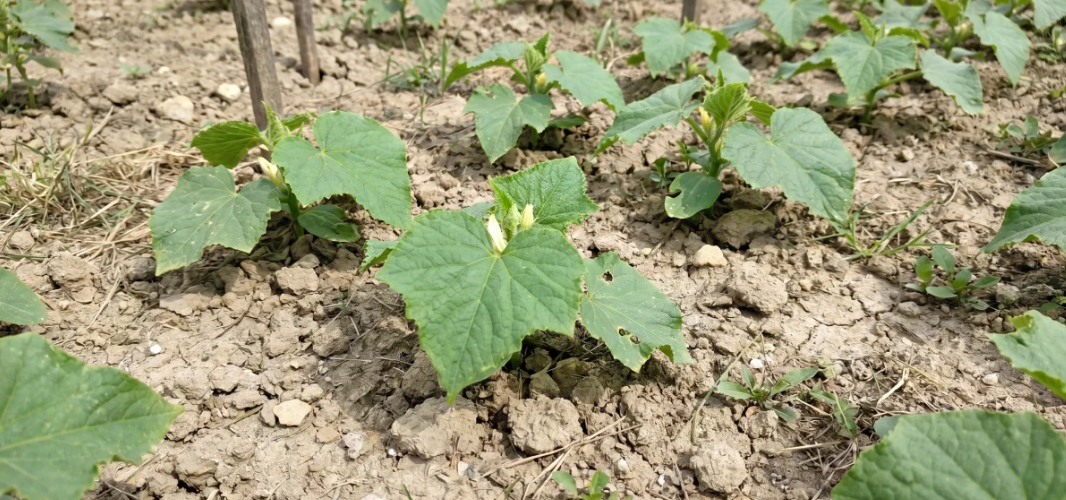
Kefir nutrition for cucumbers can help when fruits start to soften, become watery, or have unpleasant bitterness. However, it will not perform a miracle by itself: cucumbers need mainly regular warm watering, stable soil moisture, and enough nutrients during fruit growth.
Cucumbers belong to the most grateful vegetables in the summer garden, but they can spoil very quickly. One week you harvest beautiful fruits and after a few hot or cold days they taste bitter.
The cause is not usually only the variety. Most often, it is the plant’s reaction to stress, incorrect watering, weak nutrition, or large weather fluctuations.
Kefir nutrition for cucumbers helps mainly as a supplement
Kefir contains calcium, a smaller amount of potassium, phosphorus, and substances that can support soil life. Therefore, it is used as a gentle homemade nutrition, especially when cucumbers form fruits.
However, it is not a full-value fertilizer that replaces compost, quality soil, and regular care. It works best as a supplement in a garden where plants do not suffer from drought or overwatering.
If the soil is dry, cold, or depleted, kefir alone will not save the fruit taste. First, remove the cause of stress.
Why cucumbers become bitter
Bitter taste in cucumbers is related to substances called cucurbitacins. The plant forms them naturally, but under stress their amount can increase.
The most common trigger is lack of water, great heat, cold nights, sudden temperature changes, or weak sunny conditions. Cucumbers are sensitive and react quickly to such fluctuations.
Bitterness often appears especially at the stem end and just under the skin. If the problem repeats, the plant gives you a clear signal that its conditions are not stable.
Why fruits soften and lose crunchiness
Soft cucumbers arise especially when the plant does not get water evenly. Once it dries, then gets a large dose, and fruits develop irregularly.
Cold water straight from the hose can moreover cause temperature shock. Roots work worse and the plant slows nutrient uptake.
Calcium and potassium also affect firmness. Calcium strengthens tissues and potassium helps the plant manage water and nourish fruits.
How to prepare kefir watering
Pour one cup of ordinary unflavored kefir into a watering can. Add four cups of settled or rainwater and mix everything thoroughly.
Use the mixture immediately after preparation. Kefir spoils quickly in heat, so do not leave it standing until the next day.
Water at the roots, not on leaves. Milk residues on leaves could smell in heat and unnecessarily support dirt on the plant.
When to use kefir nutrition
The most suitable time is the period of intensive growth and fruit formation. Then cucumbers need a lot of water and nutrition and every mistake soon shows on the harvest.
You can use kefir nutrition once every one to two weeks. More frequent doses are not needed and with heavy soil could unnecessarily worsen the balance around the roots.
It is best to water in the morning or evening. The soil should be mildly moist, not completely dry or waterlogged.
Watering decides more than homemade fertilizer
Cucumbers have high water content and shallow root system. Therefore, they tolerate long drying very poorly.
In warm weather, one strong bush may need approximately three to four liters of water daily, according to weather, soil type, and plant size. In cooler weather, reduce the dose.
Pour water slowly at the roots. The goal is to moisten the root zone, not only the soil surface.
Cold water from the hose is a big mistake
Cucumbers love warmth. When you water them with ice-cold water from a well or hose on a hot day, roots can get shock.
Rainwater or settled water with ambient temperature is best. If you use tap water, let it first warm in a container.
Cold water can contribute to stress that increases fruit bitterness. With cucumbers, therefore, not only the amount of water decides, but also its temperature.
Mulch keeps cucumbers in more stable soil
Mulching is very effective with cucumbers. Straw, dried grass, compost, or healthy dry leaves help reduce water evaporation.
Soil under mulch does not overheat and does not dry as quickly. The plant then does not suffer from sharp fluctuations, which often lead to bitterness.
Do not place mulch directly at the stem. Leave a small free circle around it so rot does not hold at the base.
Nutrition in July and August must support fruits
During summer, cucumbers need more potassium, phosphorus, and calcium. These nutrients help fruits grow, maintain firmness, and better handle stress.
At the beginning of growth, nitrogen is also important, but during fruiting, do not overdo it. Too much nitrogen creates lush leaves, but fruits can lag.
Mature compost, diluted comfrey infusion, or fertilizer intended for fruit vegetables is a good support. Kefir nutrition for cucumbers can be a gentle supplement between them.
Diseases can spoil fruit firmness
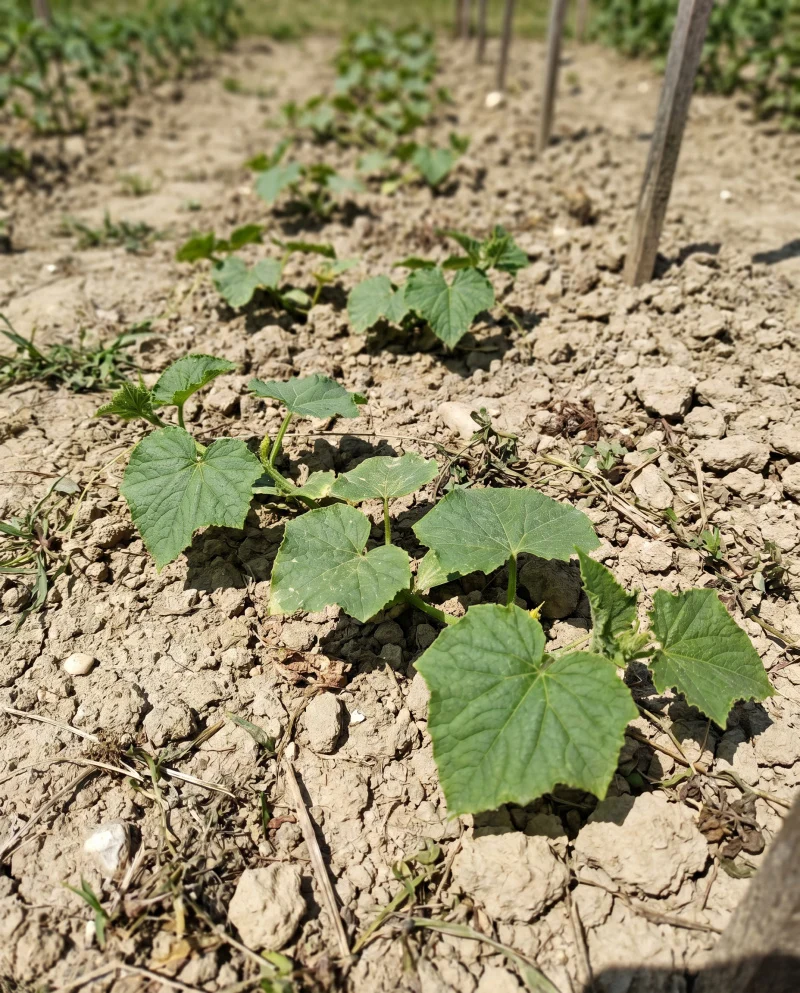
If the plant softens, yellows, and leaves have spots, do not look for the problem only in nutrition. Cucumbers can be weakened by downy mildew, bacterial spots, or root problems.
Check leaves regularly, especially after rain and in humid weather. Notice yellow maps, brown spots, paling, and sudden wilting.
Water only at the roots and do not thicken the stand. Wet leaves and weak air flow significantly increase disease risk.
Where bitterness appears most often
Bitter are especially fruits from plants growing in drought, in shade, or in containers with small soil volume. Such plants oscillate faster between overwatering and drought.
Risky are also beds by a heated wall or fence. During the day they overheat and in the evening cool quickly, which may not suit cucumbers.
If you grow cucumbers in a pot, use a large container and mulch. A small pot dries in heat in a few hours.
- Dilute kefir in a ratio of one cup kefir to four cups water.
- Use the mixture immediately and pour only at the roots.
- Water cucumbers with settled water at ambient temperature.
- During heatwaves, check soil moisture every day.
- Mulch with straw, compost, or dried grass.
- During fruiting, support potassium, phosphorus, and calcium, not excess nitrogen.
Most common mistakes when growing cucumbers
First mistake is irregular watering. Cucumbers once dry, then get a lot of water, and fruits lose quality.
Second mistake is watering with cold water. The plant experiences temperature shock and can react with bitterness and weaker growth.
Third mistake is relying only on one homemade nutrition. Kefir can help, but the basis remains living soil, compost, mulch, and stable care.
Crunchy cucumbers arise from stable care
Kefir nutrition for cucumbers is a simple homemade supplement that can support fruit firmness and soil environment. The best results, however, come in combination with regular watering, warm water, and mulching.
When you maintain mildly moist soil, protect roots from shock, and during fruiting give plants potassium, phosphorus, and calcium, bitterness appears much less often. Cucumbers then remain firmer, juicier, and pleasantly crunchy.