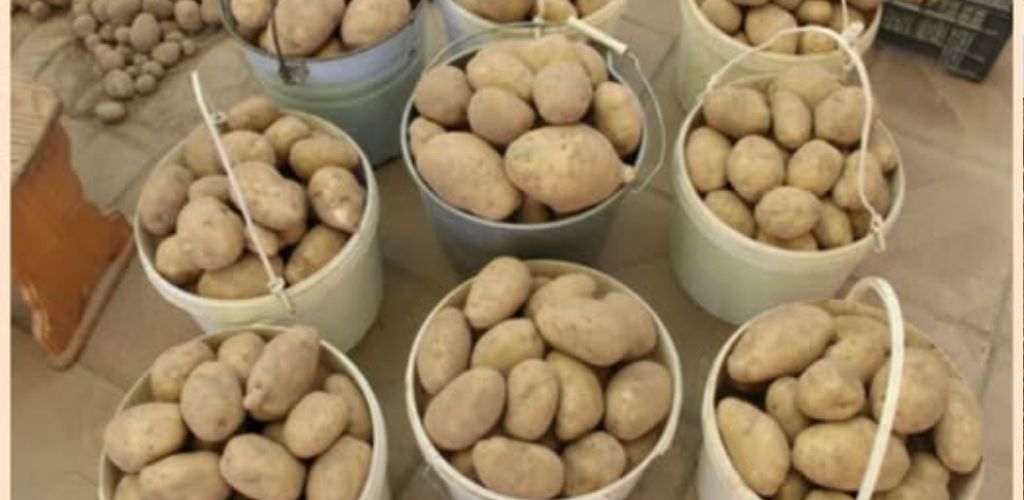
Organic Potato Farming: How to Grow 11.5 kg per Bush Without Chemicals
Many gardeners mistakenly believe that heavy chemical treatments and synthetic fertilizers are the only way to guarantee a massive potato harvest. However, a vegetable isn’t “natural” just because it grew in your backyard; if it’s constantly soaked in pesticides, it loses its health benefits. To grow truly nutritious potatoes that benefit your body, switching to organic methods is essential. But how do you avoid a poor yield when ditching the lab-made sprays? The secret lies in traditional, high-potency organic feeding.
The Power of Natural Fertilizers Over Chemistry
The key to a record-breaking harvest—reaching as much as 11.5 kg per single plant—is knowing exactly what the soil needs and when. While chemical fertilizers offer a quick boost, they often degrade soil health over time. Natural alternatives, on the other hand, build a thriving ecosystem around the potato tuber. By using inexpensive materials sourced from local farms or your own fireplace, you can achieve professional-grade results while keeping your produce 100% organic and safe for your family.
The Ultimate Organic Feeding Recipe
Chicken manure is one of the most effective nitrogen sources available to the home gardener. It is highly concentrated, so a little goes a long way. For one potato bush, you only need about 200 grams of manure for the entire season, split into two separate applications. This method ensures the plant receives a steady supply of nutrients without the risk of “burning” the roots with excessive nitrogen.
Potato Nutrition Breakdown
| Ingredient | Amount per Bush | Purpose |
| Fresh Chicken Manure | 100g (per application) | Provides essential nitrogen for leafy growth. |
| Wood Ash | 100g (per application) | Supplies potassium and phosphorus for tuber development. |
| Water | 5 Liters | Dilutes the nutrients for safe root absorption. |
Step-by-Step Application Guide
To prepare the fertilizer, take 100 grams of fresh chicken manure, mix it with 5 liters of water, and let it ferment for about three days. Once the mixture has settled, stir in 100 grams of wood ash and pour the solution directly at the base of the potato bush. For those managing a large plantation, you can create a concentrate by filling a bucket 70% with manure and adding water. Later, dilute 500ml of this concentrate into 5 liters of clean water for each plant.
Timing and the Role of Mulching
Timing is everything when it comes to organic feeding. The first application should be done immediately after the first hilling (earthing up) of the potatoes. The second application follows exactly three weeks later. A crucial step that many skip is mulching. Right after the first feeding, cover the soil around the tubers with a thick layer of hay. This creates the perfect microflora, retains moisture, and suppresses weeds, which is vital for reaching that 11.5 kg milestone.
Conclusion: Achieving Sustainable Results
Growing a massive potato crop doesn’t require a huge budget or a shed full of toxins. With just a handful of manure, some ash, and a bit of hay, you can transform your garden into a high-yielding organic farm. This traditional approach not only protects your health but also ensures that your soil remains fertile for years to come. Give your potatoes the natural nutrition they crave, and they will reward you with a harvest like never before.