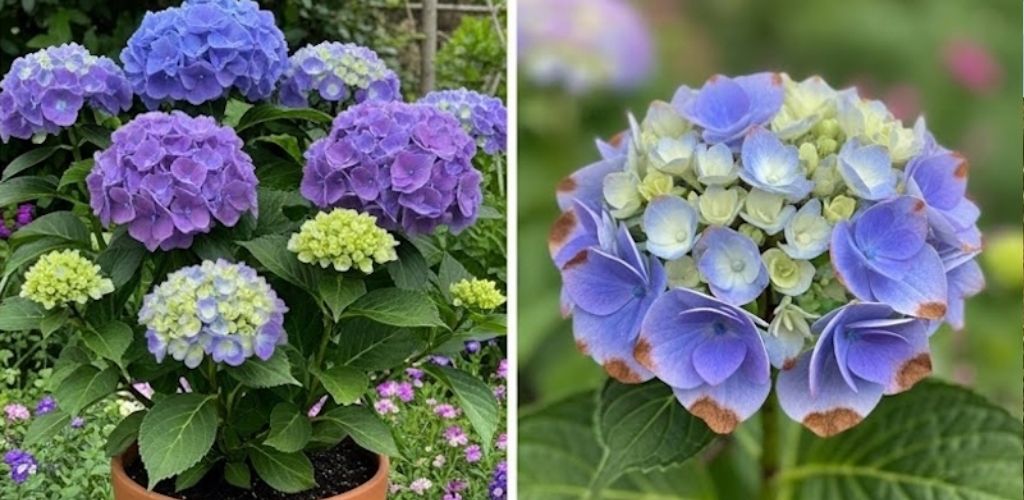
Hydrangea is one of the most spectacular plants, capable of transforming any space into a true blooming paradise. Its bright inflorescences and lush greenery immediately attract attention.
But for it to really please with abundant flowering, you need to know a few important nuances of care 👇

🌿 What makes hydrangea special?
Hydrangea is not just a decorative plant. It symbolizes love, care, and sincere feelings, which is why it often makes an ideal gift.
🪴 Growing in a pot
If you grow hydrangea at home:
✔️ Choose a pot of the appropriate size (not too small)
✔️ Be sure to drain the water from the pan – stagnant moisture is dangerous
✔️ In cold regions, the plant can be brought indoors in winter
✂️ Pruning:
▪️ Do it after flowering or during the dormant period
▪️ Remove weak and old branches
▪️ The best time is autumn, winter or early spring
🌱 Growing in the garden
In open ground, hydrangea needs the right conditions:
✔️ The soil should be light and acidic
✔️ Add peat and a little coffee grounds to maintain pH
✔️ Choose a place with partial shade – no direct sun
✔️ Moisture is the key to success
💧 Watering:
▪️ Regular, but not excessive
▪️ It is better to use rainwater
▪️ Avoid hard water
✂️ Trimming is a must
Proper pruning helps the plant rejuvenate and bloom better:
✔️ Remove old and damaged branches
✔️ Do not prune in summer
✔️ Optimal period — from late autumn to spring
⚠️ Important tips
▪️ Do not allow the soil to dry out
▪️ Protect from the scorching sun
▪️ Monitor the acidity of the soil
Conclusion
Hydrangea is a plant that thanks you for proper care. A little attention and you will get a bush covered in bright flowers 🌸
👉 Do you grow hydrangea? Share your experience in the comments!
ingredients
- soil for hydrangeas (or a light acidic substrate) – as needed
- peat – for acidifying the soil
- coffee grounds — 1–2 handfuls
- water (preferably rainwater) – for regular watering