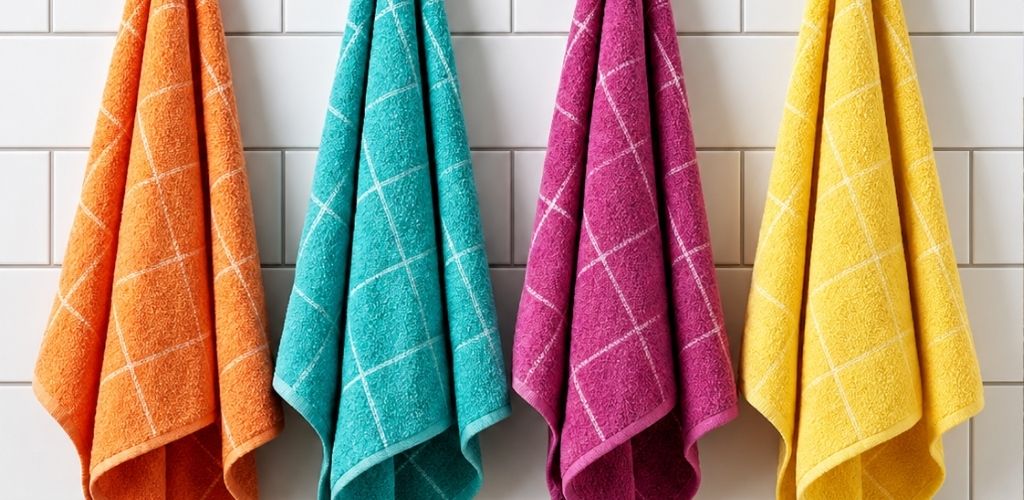
How to Clean Kitchen Towels: The Ultimate Chemical-Free Trick to Remove Grease and Odors
Kitchen towels are the ultimate unsung heroes of every household, constantly on the front lines of our daily culinary adventures. We routinely rely on them to dry our hands, wipe down messy countertops, soak up unexpected spills, and clean up after intensive cooking sessions. Unfortunately, this constant exposure means that fabric fibers quickly become a magnet for heavy grease buildup, stubborn food stains, and deep-seated moisture. Over time, even the most rigorous washing machine cycles fail to get them completely clean, leaving your essential linens looking dull, dingy, and gray. To make matters worse, a persistent, damp odor often lingers within the fabric threads, making the textiles feel tired and unhygienic despite being freshly laundered.
The Secret to Reviving Dingy Kitchen Towels Without Harsh Chemicals
Fortunately, you do not need to spend a fortune on expensive, store-bought stain removers, industrial degreasers, or aggressive chlorine bleaches that systematically destroy fabric longevity. There is a remarkably simple, eco-friendly, and budget-friendly household hack that can easily restore your kitchen textiles to their original, pristine condition. This time-tested methodology targets the very root of the problem by melting away organic fats and neutralizing foul scents at a molecular level. By stepping away from synthetic commercial detergents and embracing a natural, two-step sanitizing routine, you can easily rescue your favorite linens from the trash bin. All you need to achieve professional-grade results from the comfort of your home is a standard bar of traditional laundry soap, some hot water, and a splash of white vinegar.
Step 1: The Boiling Water and Laundry Soap Deep Clean Soak
The absolute secret to unlocking spotless fabric lies in a traditional hot-water steeping method, which liquefies trapped cooking oils far better than a standard domestic wash cycle.
To begin, bring a large pot of water to a rolling boil on your kitchen stove. Carefully reduce the heat and stir in a generous amount of grated or finely chopped white laundry soap or traditional Marseille soap until it is completely dissolved, creating a rich, cloudy, and highly concentrated alkaline solution. Submerge your stained, dry kitchen towels entirely into this piping hot bath and let them soak as the water naturally cools down over several hours. The intense thermal energy combined with the high pH level of the pure soap immediately starts breaking down the stubborn, deeply embedded grease molecules. This critical pre-treatment completely softens organic food residues and lifts old, set-in discoloration from deep within the weave, perfectly preparing the material for its final rinse.
Step 2: The White Vinegar Rinse for Brightness, Softness, and Odor Removal
Once your linens have thoroughly rested in the hot soapy solution, you will notice a massive transformation in the clarity of the fabric, but completing the second phase is vital to seal in the freshness.
Eco-Friendly Fabric Restoration: Soap Wash vs. Vinegar Rinse
| Cleaning Phase | Primary Active Ingredient | Practical Purpose & Household Benefits |
| • Phase 1: Deep Soak | Hot Water + Grated Laundry Soap | Melts trapped cooking oils, lifts organic food stains, and dissolves stubborn grease deposits. |
| • Phase 2: Final Rinse | Warm Water + Distilled White Vinegar | Neutralizes leftover soap scum, strips away mineral deposits, softens fibers, and eliminates sour odors. |
After removing the towels from the pot, rinse them thoroughly under running water to wash away the loosened dirt and soapy residue. For the absolute perfect finish, submerge them one last time into a basin of clean water mixed with half a cup of standard distilled white vinegar. This mildly acidic liquid acts as a phenomenal, natural fabric softener that strips away stiffening mineral deposits left behind by hard tap water. Most importantly, vinegar completely neutralizes the sour, musty aromas caused by dampness and bacteria, leaving your textiles smelling incredibly clean and completely fragrance-free.
Why Traditional Eco-Friendly Cleaning Methods Triumph Over Modern Detergents
By combining a deep-cleaning laundry soap bath with a conditioning vinegar rinse, you create a flawless household routine that outperforms aggressive commercial laundry products.
Not only will your cotton and linen towels emerge looking brilliantly bright, beautifully vibrant, and incredibly soft to the touch, but they will also stay absorbent for much longer. Modern liquid softeners coat fabric fibers in a thin layer of synthetic silicone, which actually reduces water absorbency over time and locks in bad odors. This traditional, sustainable alternative proves that maintaining a spotless, healthy kitchen environment does not require complex industrial chemicals or heavy plastic packaging. Implementing this smart eco-hack once a month will extend the lifespan of your household textiles, save you money, and ensure that your trusty kitchen companions always look clean, fresh, and inviting!