How to Reduce Humidity in Your Home: The Ultimate Guide to Preventing Mold and Excess Moisture
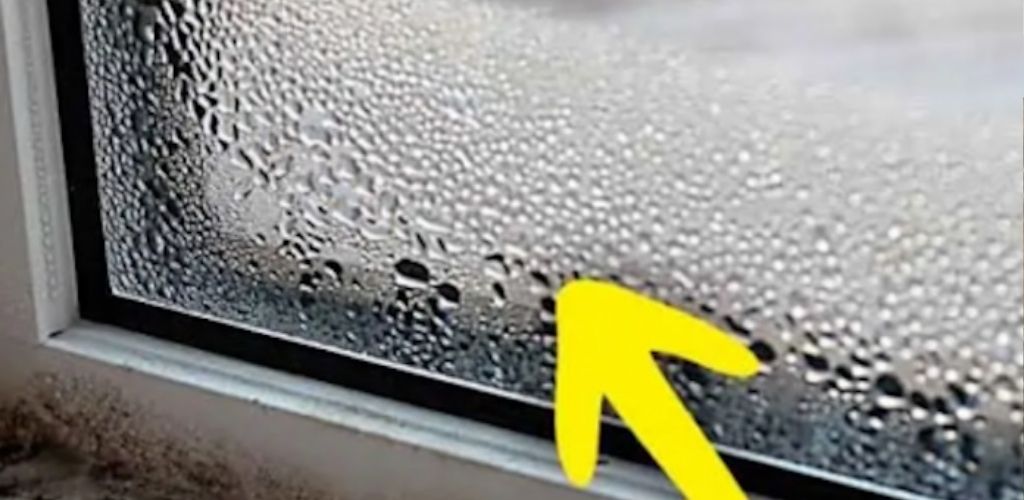
Maintaining a balanced indoor environment is essential for both your health and the structural integrity of your property. When high humidity levels take over our living spaces, the consequences go far beyond simple discomfort. Excess moisture triggers musty odors, warps wooden structures, and ruins drywall. More importantly, it creates the perfect breeding ground for toxic mold spores and dust mites, which can cause severe respiratory issues, allergies, and chronic health complications. If you have noticed water droplets on your windows or a persistent damp chill in the air, it is time to take action. Fortunately, you can successfully banish dampness and restore a healthy atmosphere using simple, highly effective household strategies.
Mastering the Art of Daily Ventilation and Airflow Control
Even during the coldest winter months when outdoor temperatures hover near freezing, skipping your daily ventilation routine is a major mistake. Trapped indoor air quickly accumulates ambient moisture from ordinary human activities such as breathing, showering, and cooking. To lower room humidity rapidly without completely chilling your walls, practice the “shock ventilation” (Stoflüften) technique.
Open multiple windows fully on opposite sides of your house for just five to ten minutes every morning. This creates a powerful cross-breeze that completely swaps out heavy, damp indoor air for crisp, dry outdoor air. Pay extra attention to high-moisture zones like the kitchen and bathroom, ensuring they are thoroughly aired out immediately after use to contain humidity at its source.
Optimizing Mechanical Ventilation Systems and Sealing Vulnerable Areas
If your home is equipped with a mechanical ventilation system, keeping it clean is vital for managing indoor moisture levels. Over time, dust, lint, and grease accumulate inside ventilation grates and fans, significantly reducing their efficiency.
Household Moisture Control: Maintenance and System Upgrades
| Action Item / Strategy | Primary Function | Household Benefits & Target Areas |
| • Clean Mechanical Vents | Clears debris from exhaust fans | Restores airflow and extracts steam from kitchens and bathrooms. |
| • Upgrade to Double Glazing | Standardizes glass surface temperatures | Eliminates window condensation and reduces thermal energy loss. |
| • Reseal Silicone Joints | Creates a waterproof protective barrier | Prevents water from seeping behind tiles, sinks, and showers. |
| • Reposition Large Furniture | Maximizes hidden wall ventilation | Eliminates stagnant air pockets to stop mold growth behind closets. |
To keep these systems running smoothly, use a vacuum cleaner attachment to clear out the vents at least once a year. Additionally, check the silicone caulking around your bathroom tiles, shower stalls, and sinks regularly. Damaged or peeling seals allow water to seep into hidden spaces, fueling invisible mold growth underneath your floors and behind walls.
Investing in Double Glazing and Implementing Smart Dehumidifier Solutions
Frequent condensation pooling along your glass panes is a classic warning sign of poor thermal insulation. Upgrading to modern double-glazed windows is an excellent long-term solution because it prevents extreme temperature drops between the indoor and outdoor air, dramatically limiting the physical conditions that cause condensation to form.
For rooms suffering from persistent dampness, utilizing a dedicated room dehumidifier can yield immediate relief. You can opt for a cost-effective passive absorber, which uses specialized moisture-absorbing crystals like calcium chloride to draw water from the air into a collection container. For severe cases, a powerful electric compressor dehumidifier is ideal; it continuously pulls in damp air, extracts the heavy moisture, and circulates dry air back into the room at a stable temperature.
Clever Closet Adjustments and Harnessing the Power of Humidity-Absorbing Plants
Hidden spaces like wardrobes, kitchen cabinets, and pantries are highly susceptible to stagnant air pockets and mold formation. To protect your clothing and stored goods, avoid packing items too tightly and always leave a gap of a few centimeters between your heavy furniture and the walls. This small space allows air to circulate freely, preventing damp zones from developing.
You can also introduce nature’s very own bio-dehumidifiers into your interior decor. Certain tropical plant species are exceptional at absorbing airborne moisture directly through their foliage to nourish themselves. Positioning a beautiful Boston Fern or a hardy Peace Lily (Spathiphyllum) in your brighter rooms helps naturally lower ambient humidity while simultaneously purifying your indoor oxygen supply.
For optimal indoor comfort and respiratory health, aim to keep your home’s relative humidity strictly between 40% and 60%. Monitoring these levels does not require expensive tools, but staying vigilant is key. Watch out for early warning signs such as peeling wallpaper, damp patches on the ceiling, or dark spots developing along window frames. By adopting these sustainable habits, checking your seals, and ensuring consistent airflow, you can easily protect your property investment and create a fresh, clean, and completely mold-free living environment for your family. Start implementing these easy changes today and feel the immediate difference in your indoor air quality!