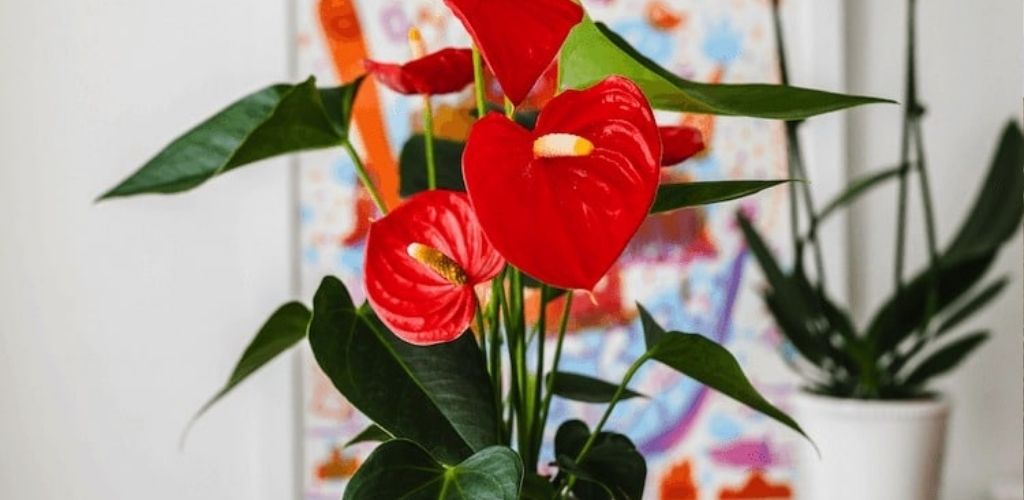
The Ultimate Anthurium Care Guide: Smart Shortcuts for Vibrant Flamingo Flower Blooms
Anthuriums, famously known as flamingo flowers, are celebrated indoor plants that can transform any living space into a tropical oasis with their glossy, heart-shaped leaves and vibrant, long-lasting spathes. While they have a reputation for being somewhat exotic, keeping them thriving at home is incredibly straightforward when you understand their basic environmental triggers. By implementing a few smart plant care shortcuts, you can establish a stress-free routine that keeps your foliage deep green and your plant structurally strong. Whether you are a seasoned indoor gardener or just starting your collection, mastering these core maintenance principles will ensure your tropical companion remains a stunning centerpiece for years to come.
Essential Core Requirements: Water, Light, and the Perfect Soil Mix
The secret to successful Anthurium care lies in replicating their natural rainforest canopy environment, particularly when it comes to soil moisture and ambient lighting. These plants thrive in a consistently humid but well-aerated medium where their roots can breathe without being suffocated by heavy, compacted dirt. Overwatering is the single most common mistake indoor gardeners make, frequently leading to fungal infections and destructive root rot. To avoid this, always let the top inch of your potting soil dry out completely before reaching for the watering can, and ensure your container has excellent drainage holes to let excess moisture escape.
In terms of lighting and nutrition, flamingo flowers function best under bright, indirect sunlight for at least six to eight hours a day. While they can tolerate lower light levels in office corners, a lack of light will halt their growth and stop them from producing those iconic colorful spathes. Place them near an east- or north-facing window where they can catch the gentle morning sun without getting scorched by intense afternoon rays. During the active spring and summer growing seasons, feed them every six to eight weeks with a balanced, water-soluble liquid fertilizer diluted to half or quarter strength to fuel steady development without risking fertilizer burn.
Anthurium Seasonal Care and Vitality Matrix
| Growth Factor | Ideal Home Conditions | Primary Health Benefit |
| • Watering Style | Only when the top 1 inch of soil feels dry | Prevents root rot and keeps root systems fully oxygenated. |
| • Sunlight Exposure | Bright, indirect light (north or east windows) | Maximizes energy production without scorching delicate leaves. |
| • Soil Composition | Orchid bark, perlite, and peat moss mix | Creates a loose, free-draining, and slightly acidic environment. |
| • Feeding Schedule | Diluted liquid fertilizer every 6–8 weeks | Provides essential macro-nutrients during the peak growing season. |
How to Make Anthuriums Bloom: Proven Techniques for Constant Color
If your plant looks perfectly healthy but refuses to produce new flowers, it is likely missing a few environmental cues that trigger a heavy blooming cycle. To shift your flamingo flower into reproductive mode, increase its exposure to bright, filtered light and focus heavily on ambient room humidity. Since these plants are native to the tropics, they struggle in dry indoor air, especially during winter when home heating strips moisture from the environment. Boost the humidity around your display by grouping plants together, running a small humidifier nearby, or placing the pot on a shallow tray filled with water and pebbles.
Another highly effective shortcut to stimulate fresh buds is targeted deadheading and nutritional adjustments. As old flowers begin to fade, wither, or turn green, use sterilized pruning shears to snip the stems off as close to the base of the plant as possible. This simple step stops the plant from wasting vital energy on dying tissue and redirects its resources toward developing brand-new flower spikes. Additionally, switching to a fertilizer with a slightly higher phosphorus content (the middle number on your fertilizer label) right before spring can dramatically accelerate bud formation, ensuring a continuous display of bright color.
Pro Maintenance Shortcuts: Potting, Cleaning, and Stress Signals
To keep your display structurally neat and resilient against common indoor pests like aphids and spider mites, incorporate quick cleaning habits into your weekend routine. Dust accumulation on broad leaves blocks sunlight and reduces the plant’s ability to photosynthesize efficiently; simply wipe the foliage down with a soft, damp cloth every few weeks to keep the pores clear. Pay close attention to the physical signals your plant sends you. Drooping leaves often point to an imbalance in your watering habits, while sudden yellowing can signal a nutrient deficiency or a drafty location where temperatures drop below 50°F (10°C). When it comes to repotting, choose a container that fits the root ball snugly, as Anthuriums actually prefer being slightly root-bound and will produce more flowers when their roots are closely contained.