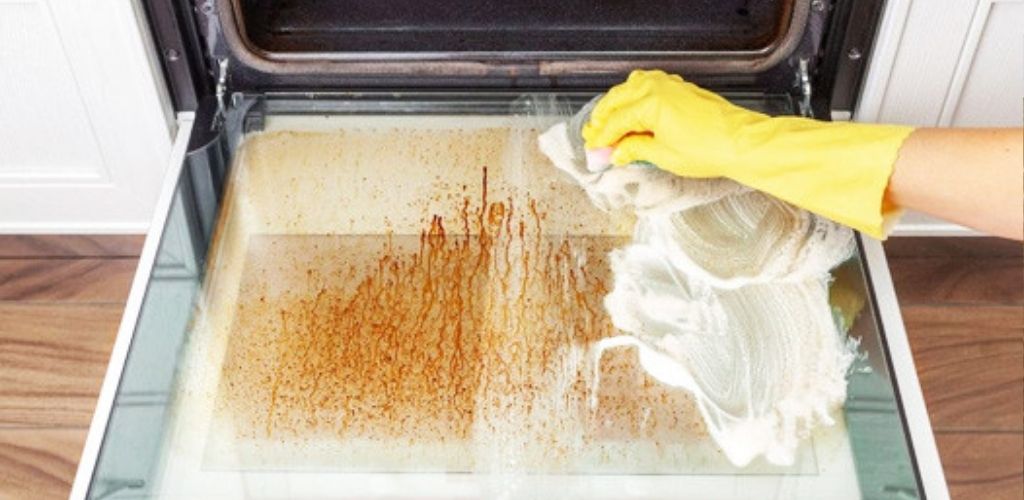
Clever Hacks to Clean Oven Door Glass Inside Without Disassembly
An oven is the true heart of any functional kitchen, but keeping it pristine can quickly turn into a major household headache. The double glass window on an oven door easily attracts stubborn grease, carbonized food splatters, and floating baking debris. Over time, these residues bake onto the surface, turning the viewing window completely opaque and dirty, giving your kitchen an unsightly and neglected appearance. The real frustration begins when you realize that most of the unsightly grime and unsightly streaks are actually trapped deep between the dual glass panes, far out of normal reach. Fortunately, you do not need to pull out heavy tools or risk breaking your appliance. There are highly effective, budget-friendly DIY cleaning hacks to clean oven door glass inside without taking the entire door apart. If you want to combine a sparkling appliance with flawless layout ideas throughout your home, read our [internal guide for smart ideas on organization and space saving].
The Wire Coat Hanger and Microfiber Cloth Trick
If you have already tried and failed to shove a standard kitchen rag down into the narrow gaps between the glass panes, this ingenious mechanical method will completely save your day. It uses common household items to create a slim, flexible cleaning wand that slides effortlessly into the tightest ventilation slots. By wrapping a soft material around a sturdy wire frame, you can apply direct manual pressure to lift baked-on grease stains without causing scratches.
To execute this clever household hack, prepare the following materials:
- A basic metal wire coat hanger from your wardrobe
- A damp microfiber cloth or soft cleaning wipe
- A strong rubber band to lock the fabric in place
First, unbend the metal wire coat hanger entirely until it forms a long, thin, and straight rod. Wrap your damp microfiber cloth snugly around one end of the wire rod, securing it tightly with a rubber band so it cannot slip off inside the door. Carefully slide the fabric-tipped wire tool through the factory ventilation holes located at the bottom or sides of the oven door. Move the wand back and forth in a steady wiping motion across the stained glass areas to pull out all the hidden grime. To discover additional professional methods for maintaining a beautiful, clean, and perfectly balanced domestic ecosystem, look at our [internal guide to proper plant care and home maintenance].
The Vacuum Cleaner and Drinking Straw Crumbs Puller
Loose food crumbs, ash particles, and dust love to settle at the very bottom of the dual glass barrier every time you open and close the appliance. A standard wiping cloth will often just push these loose crumbs into the corners rather than removing them completely. An incredibly effective way to extract this stubborn loose debris from between the glass panes is to build a high-velocity micro-vacuum attachment using a simple straw.
Gather these basic items from your kitchen drawers:
- A standard vacuum cleaner with a narrow hose nozzle
- A thin, flexible plastic drinking straw
- A roll of heavy-duty duct tape or packing tape
Fix the plastic drinking straw to the edge of your vacuum cleaner nozzle, sealing any remaining gaps completely with the tape to ensure maximum suction power. Carefully thread the extended straw deep through the narrow ventilation openings of your oven door. Turn on the vacuum cleaner to immediately suck out all the loose baking crumbs, ash, and accumulated dust bunnies. If some greasy dust particles refuse to budge, you can complete the cleanup by wrapping a tiny damp piece of cloth around the tip of the straw and repeating the motion.
The Long-Handled Bottle Brush Method for Stubborn Oils
When you are dealing with a thick layer of sticky, vaporized cooking oil that has coated the interior glass surface over several months, a flat cloth might not provide enough friction. A thin, long-handled bottle brush—the kind typically used to scrub reusable water bottles or baby supplies—serves as an exceptional tool for reaching these tight internal zones. The stiff nylon bristles easily flex into the narrow door gap, scrubbing multiple angles simultaneously.
To use this method effectively, use this simple natural solution:
- A long, thin bottle cleaning brush
- A homemade mixture of equal parts white vinegar and hot water
Lightly moisten the nylon bristles of the bottle brush in your warm white vinegar and water mixture, ensuring it is damp but not dripping wet to avoid pooling inside the door. Insert the wet brush gently through the door ventilation slots. Use a controlled, rhythmic back-and-forth scrubbing motion to break down the sticky fat splatters. The natural acidity of the white vinegar acts as a safe, eco-friendly degreaser that melts oil films on contact without leaving chemical streaks behind.
The Magic Vinegar Spray and Spatula Finish
Sometimes, a targeted burst of moisture is all it takes to completely dissolve deeply baked-on oil rings on your glass window. By applying a concentrated mist directly onto the problem areas and using a firm kitchen tool for leverage, you can clean the interior surface in a fraction of the time. This method is perfect for spot-cleaning stubborn stains that are located directly under the ventilation vents.
Follow these simple steps for an effortless shine:
- Fill a clean spray bottle with a hot mixture of white vinegar and water
- Wrap a ultra-thin microfiber cloth securely around a flat kitchen spatula
Spray the natural vinegar degreaser directly into the top and bottom slits of the oven glass door, aiming the mist toward the heavy stains. Allow the acidic liquid to sit undisturbed for a few minutes to soften the crusty food fragments. Take your cloth-wrapped kitchen spatula, slide it carefully into the glass gap, and use the flat, rigid edge of the tool to wipe away the dissolved grease rings for a crystal-clear finish.
The Ultimate Eco-Friendly All-Natural Cleaning Spray Recipe
If you prefer a highly potent, eco-friendly deep cleaning solution that safely cuts through carbonized grease without using harsh commercial oven chemicals, you can mix a specialized foaming spray right in your kitchen. This natural recipe combines the effervescent cleaning power of baking soda with the grease-cutting strength of fresh citrus. To help you mix and apply this natural remedy seamlessly, we have organized the formula and guidelines into a practical reference table:
Natural Oven Glass Cleaning Solution Guide
| Ingredients & Proportions | Sitting Time | Application Technique | Primary Environmental Benefit |
| • 125 ml White Vinegar • 250 ml Hot Water • 1 tbsp Baking Soda • 2 tsp Lemon Juice | 15 Minutes | Mix gently in a spray bottle, mist generously over the glass, and wipe away with a clean microfiber cloth. | Completely non-toxic, fumes are safe to breathe, and contains no synthetic perfumes. |
To achieve the absolute best results during your kitchen deep clean, always take a quick look at your appliance’s original user manual, as some modern oven models feature a hidden quick-release latch that allows you to pop off the top plastic trim of the door easily. Always use non-abrasive tools like microfibers, sponges, or nylon brushes to avoid micro-scratches on the tempered glass, which can weaken it over time. Establishing a habit of doing a quick, natural spray wipe once a month will prevent heavy grease accumulation, making your future kitchen maintenance completely effortless. Say goodbye to ugly grease stains and enjoy a crystal-clear, gleaming oven window once again!