Natural fertilizer for peppers can decide whether the plants remain weak with a few fruits or create a firm and rich harvest. Ash alone is useful, but during flowering and fruit setting peppers often also lack calcium, magnesium and stable watering.
Peppers belong among vegetables that can be very grateful, but also demanding. When they have few nutrients, they show it quickly on leaves, flowers and fruits.
The plants may look healthy, but fruits form slowly, remain small or dark spots appear on their ends. Then it is not enough to add random fertilizer, you need to understand what peppers currently need.
Why ash alone is not enough for peppers
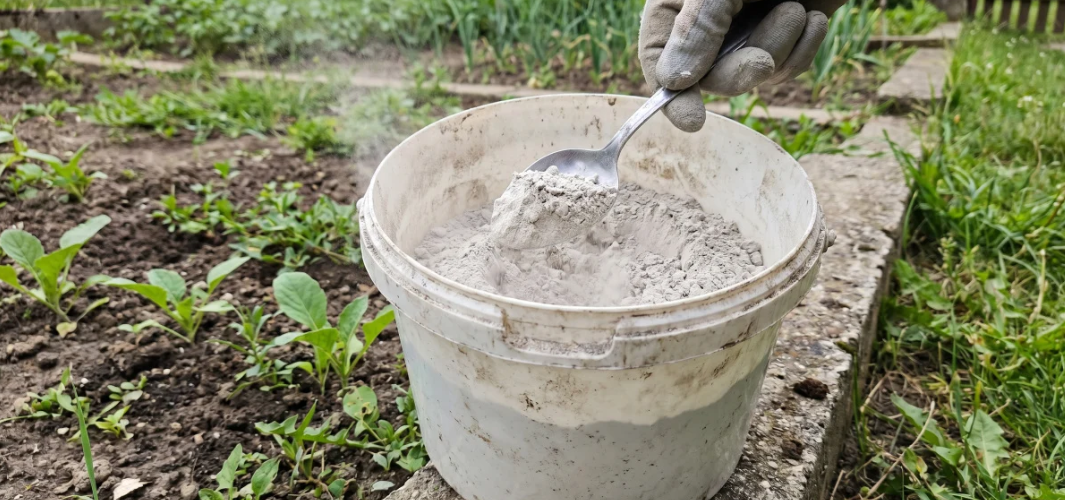
Wood ash contains mainly potassium, calcium and other mineral substances. In the garden it has its place, but only when it comes from clean, unpainted and chemically untreated wood.
The problem is that ash does not cover everything. It does not contain enough nitrogen and with frequent use it can increase soil alkalinity, which over time bothers some plants.
If you sprinkle too much, pepper roots can react with stress. Therefore take it as a nutrition supplement, not as a universal solution for every problem.
Natural fertilizer for peppers during flowering
The most important period comes when peppers flower and start setting the first fruits. The plant then needs energy for new flowers, firm tissues and gradual enlargement of fruits.
Natural fertilizer for peppers should in this time supply mainly potassium, calcium and magnesium. Potassium supports fruit quality, calcium helps firmness and magnesium is related to healthy green leaf color.
However, always give nutrition into moist soil. Fertilizing into dry ground can irritate roots and harm the plant more than help.
Basic cocktail from ash
For a simple watering use one tablespoon of sifted wood ash per five liters of settled or rainwater. Mix the mixture and let it stand for several hours.
Before use mix it again and pour only at the roots, not on leaves. One plant is enough approximately half a liter of solution according to the size of the pepper and soil moisture.
Use this watering a maximum of once every two to three weeks. If you already have naturally alkaline soil or regularly lime, be even more careful with ash.
Chalk or calcium with browning of tips
Brown, sunken spots on the ends of fruits often relate to a calcium uptake problem. It does not always mean that there is no calcium in the soil.
The plant may absorb it poorly with irregular watering, heatwaves or damaged roots. That is why water is as important as supplementing the mineral itself.
If you want to use ordinary white chalk without dyes and additives, grate it finely and mix a small amount in water. Use approximately one teaspoon of fine powder per liter of water and water at the roots once every two weeks.
Milk watering as a gentle supplement
Milk contains calcium and other substances, but in the garden it needs to be diluted. A strong milk solution can sour, smell and attract insects.
A safer ratio is approximately one part milk to ten parts water. Practically this means half a liter of milk in five liters of water.
Use the watering at the roots, not on fruits intended for early harvest. It is enough once every two to three weeks and always monitor whether the soil does not smell or an unpleasant coating forms on it.
Magnesium helps leaves and overall strength
If pepper leaves pale between veins, the plant may have a problem with magnesium. This element is important for chlorophyll formation and overall leaf vitality.
Bitter salt is often used for supplementation. Dissolve one teaspoon in five liters of water and water the plants at the roots.
Do not use it every week without reason. With peppers occasional support is enough, especially if you see symptoms or grow in a pot where nutrients wash out faster.
How to mix a balanced homemade cocktail
If you want to give peppers wider support, combine the ingredients reasonably and not all at once in a strong dose. Plants tolerate weaker regular nutrition better than sudden overfertilization.
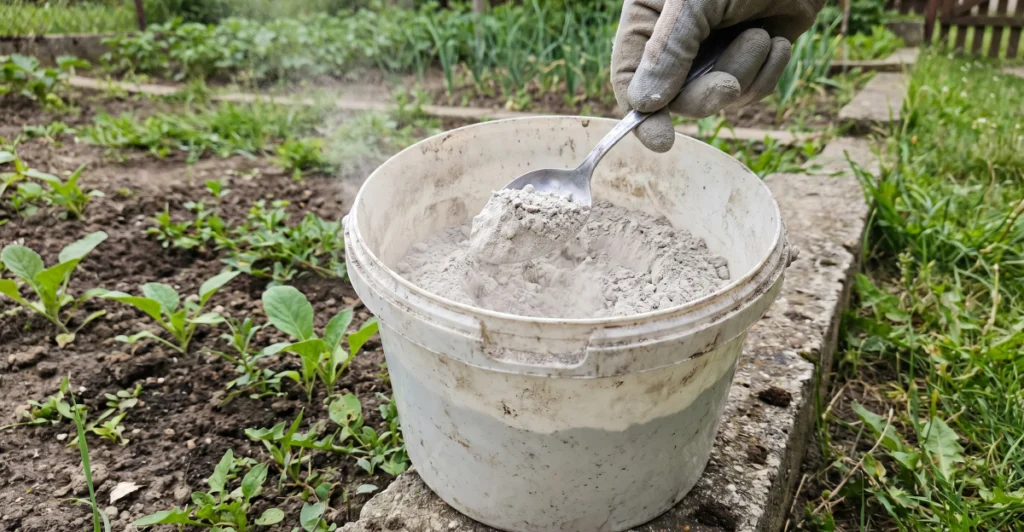
In five liters of settled water add one tablespoon of sifted wood ash and mix well. If the plants are simultaneously paling, you can use bitter salt in a separate watering a week later.
Chalk or milk solution give separately, not on the same day as ash. This way you will better monitor plant reaction and reduce the risk of overloading the soil with minerals.
Correct watering is half the success
Peppers do not tolerate long drying and subsequent sudden overwatering. It is precisely moisture fluctuations that often worsen calcium uptake and cause fruit problems.
Water rather regularly at the roots and try to keep the soil evenly moist. The surface can dry mildly, but the root zone should not dry completely.
In hot days mulch from straw, mown dried grass or compost helps. Hold the mulch a bit away from the stem so moisture does not hold there and rot does not arise.
When to rather slow down with fertilizing
If peppers have dark, large leaves but few flowers, they may have received too much nitrogen. The plant then builds green mass and less energy goes to fruits.
In such a case do not add further strong infusions from stable manure or nettle. Rather adjust watering, give the plant sun and switch to gentler support with potassium.
Slow down also when the plants are after transplanting, after sunburn or after root damage. First help them with stable water and shade, add nutrition only after recovery.
Practical schedule during the season
- After rooting fertilize with weak organic fertilizer to support growth.
- During flowering add a gentle ash watering as a potassium source.
- During fruit formation monitor pepper tips and watering regularity.
- With leaf paling consider mild magnesium supplementation.
- Alternate homemade solutions and do not give everything at once.
What to watch on plants
Healthy pepper has firm leaves, new flowers and gradually enlarging fruits. If the plant wilts even in moist soil, it may have damaged roots or suffer from disease.
Yellowing of lower leaves can be natural aging, but also nutrient deficiency. Monitor whether the problem spreads quickly and whether spots, deformations or flower drop appear.
Natural fertilizer for peppers helps best when you react in time. The sooner you catch weak growth or first spots, the easier you support the plant.
Rich harvest arises gradually
Peppers need nutrition, water, warmth and stable conditions. Ash supplies valuable minerals, but alone cannot solve everything, especially if calcium, magnesium or regular watering is missing.
When you use homemade solutions in moderation, separately and according to plant state, peppers will reward you with firmer fruits and better harvest. The greatest success comes not from a strong dose, but from reasonable care at the right time.