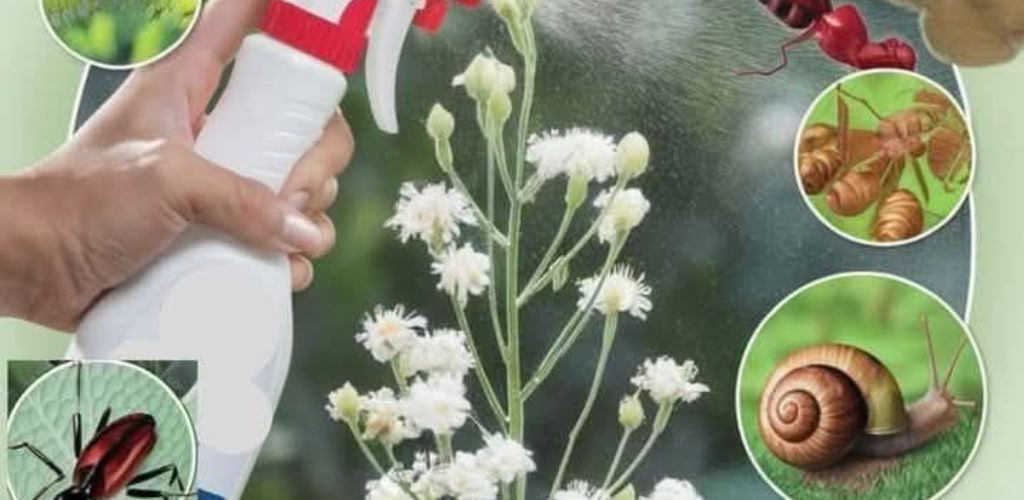
Keeping your garden pest-free doesn’t have to mean turning to harsh chemicals. Natural insecticides are safer for plants, beneficial insects, and the environment.
Below, we’ll explore eight powerful options that are effective against stubborn pests while keeping your garden healthy.
1- Neem Oil
Neem oil, derived from the seeds of the neem tree, is a natural pest repellent.
It disrupts the lifecycle of many insects, including aphids, whiteflies, and spider mites.
– How it works: Neem oil contains azadirachtin, which interferes with pests’ feeding and reproduction.
– How to use: Mix 2 tablespoons of neem oil with 1 gallon of water and add a few drops of dish soap. Spray on affected plants every 7–14 days.
2. Diatomaceous Earth
This natural powder is made from fossilized algae and is highly effective against soft-bodied insects like slugs, ants, and fleas.
– **How it works:** The sharp edges of diatomaceous earth cut into insects’ exoskeletons, causing dehydration.
– **How to use:** Sprinkle the powder around the base of plants or directly on pests. Reapply after rain.
—
### **3. Garlic Spray**
Garlic is a powerful natural insecticide that repels pests like aphids, caterpillars, and mosquitoes with its strong odor.
– **How it works:** The sulfur compounds in garlic deter insects and prevent them from feeding.
– **How to use:** Blend 10 garlic cloves with 2 cups of water. Strain and dilute the mixture with a gallon of water, then spray on plants.
—
### **4. Soap Spray**
Soap spray is a simple yet effective solution against pests such as mealybugs, mites, and whiteflies.
– **How it works:** The soap coats and suffocates pests, disrupting their cell membranes.
– **How to use:** Mix 2 teaspoons of mild liquid soap with 1 quart of water.
Spray directly on pests, focusing on the undersides of leaves.
—
### **5. Hot Pepper Spray**
Hot peppers like cayenne or chili can deter pests such as beetles, caterpillars, and aphids.
– **How it works:** Capsaicin in peppers irritates insects and deters feeding.
– **How to use:** Blend 2 hot peppers with 1 cup of water.
Strain and mix with a gallon of water. Add a few drops of dish soap and spray on plants.
—
### **6. Essential Oils**
Certain essential oils, such as peppermint, rosemary, and tea tree oil, repel pests while adding a pleasant scent to your garden.
– **How it works:** The strong aromas confuse pests and mask the scent of plants.
– **How to use:** Mix 10–15 drops of essential oil with 1 quart of water. Add a teaspoon of dish soap and spray on plants.
### **7. Vinegar Spray**
White vinegar is a natural deterrent for ants, slugs, and some beetles.
– **How it works:** The acidic nature of vinegar disrupts pests’ digestive systems and repels them.
– **How to use:** Mix equal parts vinegar and water, then spray on affected areas. Avoid direct application on plants, as vinegar can damage foliage….
### **8. Beneficial Nematodes**
These microscopic organisms are a natural way to control soil-dwelling pests like grubs, root maggots, and fungus gnats.
– **How it works:** Nematodes enter the bodies of pests and release bacteria that kill them.
– **How to use:** Purchase nematodes from a garden center, mix them with water according to the instructions, and apply to the soil.
—
### **Tips for Effective Use of Natural Insecticides**
1. **Test First:** Always test sprays on a small area of the plant to ensure they don’t cause damage.
2. **Apply in the Morning or Evening:** Avoid spraying during the heat of the day to prevent leaf burn.
3. **Reapply as Needed:** Natural insecticides may require frequent reapplication, especially after rain.
4. **Combine Methods:** Use multiple strategies for comprehensive pest control.
By using these natural insecticides, you can effectively protect your garden while keeping it safe for pollinators, pets, and people. Happy gardening!