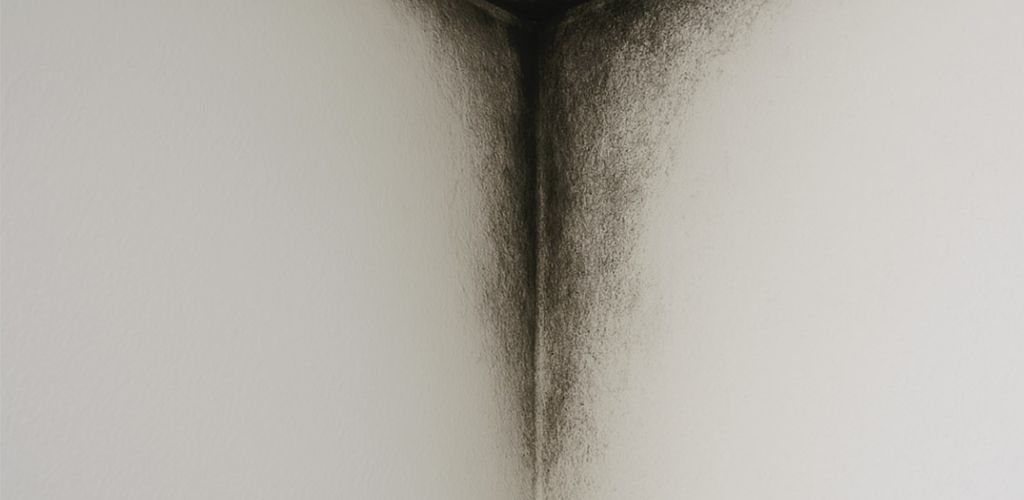
Have you noticed a small black spot in the corner of a wall? At first, it might look like dust or a forgotten stain… but over time, it spreads, darkens, and may even come with a musty smell.
This is more than just an aesthetic issue—it could be a warning sign of something going on behind your walls.
Don’t panic—by acting quickly and understanding what’s behind it, you can limit the damage and restore a healthier living space.
Why Do These Black Stains Appear? (It’s Not Just a Cleaning Issue)
A wall turning black in a corner usually means there’s too much moisture in the air.
Poor ventilation is often the culprit:
Steam in a closed-up bathroom
Heat and humidity in an unventilated kitchen
A bedroom that rarely gets fresh air
Moisture builds up on cold surfaces, and that’s exactly where mold starts to grow.
Other causes include:
Water infiltration: damaged roofing, overflowing gutters, or porous walls
Rising damp: moisture moving up from the ground
Thermal bridges: cold zones in poorly insulated walls that attract condensation
Furniture placement: pieces pushed up against the wall can trap moisture and block airflow
According to ANAH (France’s National Housing Agency), 1 in 5 homes shows signs of persistent humidity. So if you’re dealing with this—you’re not alone.
Golden rule: don’t ignore those dark corners. They’re the early warning signs.
What to Do Immediately to Prevent It from Getting Worse
If you see a black stain, act quickly.
Ventilate: Air out the room twice a day—even just for 10 minutes. This is especially important in high-humidity areas like bathrooms and laundry rooms.
Clean the area: Use warm water and white vinegar. For stronger mold, you can add hydrogen peroxide.
Avoid vinegar on marble or natural stone, as it can damage them.
Move furniture: Pull furniture a few centimeters away from the wall to allow air to circulate.
Use a dehumidifier: A moisture absorber or electric dehumidifier can help a lot, especially in smaller or poorly ventilated rooms.
Add tea tree oil: A few drops in your cleaning mix provide a natural antifungal effect—and a fresh scent.
Winter tip: Open windows briefly in the morning and evening to release moisture from overnight condensation.
How to Prevent It from Coming Back
Once cleaned, prevention is essential:
Improve ventilation: Consider a mechanical ventilation system (VMC) if your current setup isn’t enough.
Use a hygrometer: Monitor humidity. The ideal range is 40–60%.
Anti-humidity paint: This provides a protective layer on walls that are vulnerable to dampness.
Check for structural issues: If infiltration or insulation is a concern, call a professional to evaluate it.
Important: Never paint over mold thinking it’ll disappear. It’ll come back. And avoid unventilated gas heaters—they release water vapor, which adds to the problem.
And If the Stains Keep Coming Back?
Recurring stains likely point to a bigger issue:
Inspect your roof, exterior walls, and gutters
Poor insulation or hidden infiltration could be the root cause
Rising damp can be treated with resin injections into the walls
If you see white powder or crumbling (saltpeter), additional treatment is needed
For persistent issues, bring in an RGE-certified professional or a humidity specialist. Their diagnosis could save you major expenses later.
If you’re renting, notify your landlord right away. Mold isn’t just unsightly—it can pose real health risks.
By keeping a close eye on your home’s corners and practicing good ventilation habits, you can beat back humidity and mold before they take hold. With quick action and the right steps, you’ll restore a cleaner, healthier space—and breathe a lot easier.