How to Clean a Toilet Seat: A Step-by-Step Guide for a Sparkling Bathroom
Keeping your toilet seat clean is essential for maintaining a hygienic and fresh-smelling bathroom. Since toilet seats are frequently used, they can accumulate germs, stains, and unpleasant odors over time.
Regular cleaning not only keeps your bathroom looking spotless but also helps prevent the spread of bacteria.
Whether you’re dealing with everyday grime, stubborn stains, or lingering odors, this guide will show you the best methods to clean and disinfect your toilet seat effectively.
Why It’s Important to Clean Your Toilet Seat Regularly
✅ Prevents Germs & Bacteria – The toilet is a high-contact area that can harbor bacteria if not cleaned properly.
✅ Eliminates Odors – Regular cleaning keeps your bathroom smelling fresh.
✅ Removes Stains & Discoloration – Hard water, urine splashes, and cleaning product residue can cause stains over time.
✅ Extends the Life of Your Toilet Seat – Proper maintenance prevents damage and keeps your seat looking new.
How Often Should You Clean Your Toilet Seat?
Light Cleaning – Wipe down with a disinfectant every day to prevent buildup.
Deep Cleaning – Give your toilet seat a thorough scrub once a week to remove stains and bacteria.
Stain Removal – Treat stains as soon as you notice them to prevent permanent discoloration.
What You’ll Need for Cleaning
🧼 Mild dish soap or an all-purpose bathroom cleaner
🧴 White vinegar (for natural cleaning)
🌿 Baking soda (for stain removal)
🧽 Soft sponge or microfiber cloth
🪣 Warm water
🧤 Gloves (optional but recommended)
🚿 Old toothbrush (for scrubbing hard-to-reach areas)
Step-by-Step Guide to Cleaning a Toilet Seat
Step 1: Remove the Seat (If Possible)
Many toilet seats can be unscrewed and removed for a deeper clean.
If yours is removable, take it off and clean it separately in the sink or bathtub.
Step 2: Wipe Down with Soap and Water
Mix warm water with a few drops of dish soap.
Use a sponge or microfiber cloth to wipe the toilet seat thoroughly.
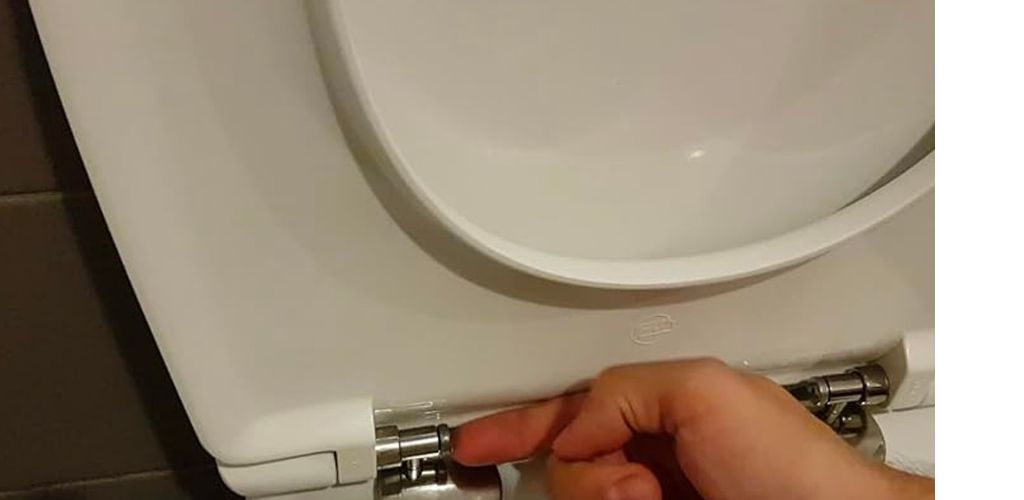
Pay special attention to hinges and crevices where grime can accumulate.
Step 3: Disinfect with White Vinegar or Bathroom Cleaner
Spray white vinegar or a disinfectant cleaner onto the toilet seat.
Let it sit for 5-10 minutes to kill bacteria.
Wipe it down with a clean cloth or paper towel.
Step 4: Remove Stubborn Stains
🔹 For Yellow Stains: Make a paste using baking soda and water.
Apply it to stains and let sit for 10-15 minutes, then scrub with a sponge.
🔹 For Hard Water Stains: Use white vinegar or lemon juice to break down mineral buildup.
🔹 For Urine Stains: Mix hydrogen peroxide and baking soda for deep cleaning and odor removal.
Step 5: Scrub Hard-to-Reach Areas
Use an old toothbrush to scrub around hinges, bolts, and small gaps.
This helps remove dirt, urine splashes, and bacteria buildup in hidden areas.
Step 6: Rinse and Dry
Wipe down with a damp cloth to remove any leftover cleaner.
Dry with a clean towel to prevent water spots and streaks.
Step 7: Reassemble and Deodorize
If you removed the seat, reattach it securely.
Spray a light mist of white vinegar or use a few drops of essential oil (like lavender or lemon) for a fresh scent.
Extra Tips for Keeping Your Toilet Seat Clean
✔ Use Toilet Seat Covers – Helps prevent stains and makes cleaning easier.
✔ Clean Up Spills Immediately – Urine splashes and spills should be wiped up quickly to prevent stains.
✔ Avoid Harsh Chemicals – Bleach can damage plastic toilet seats over time; stick to mild cleaners or natural solutions.
✔ Keep a Routine – A little daily maintenance can prevent deep cleaning from becoming a huge chore.
Final Thoughts
Cleaning your toilet seat doesn’t have to be a dreaded task! With regular maintenance and the right cleaning methods, you can keep your bathroom fresh, germ-free, and spotless. By following these simple steps, you’ll extend the life of your toilet seat and ensure your bathroom stays hygienic and welcoming for everyone.
Try these tips today and enjoy a cleaner, fresher bathroom!