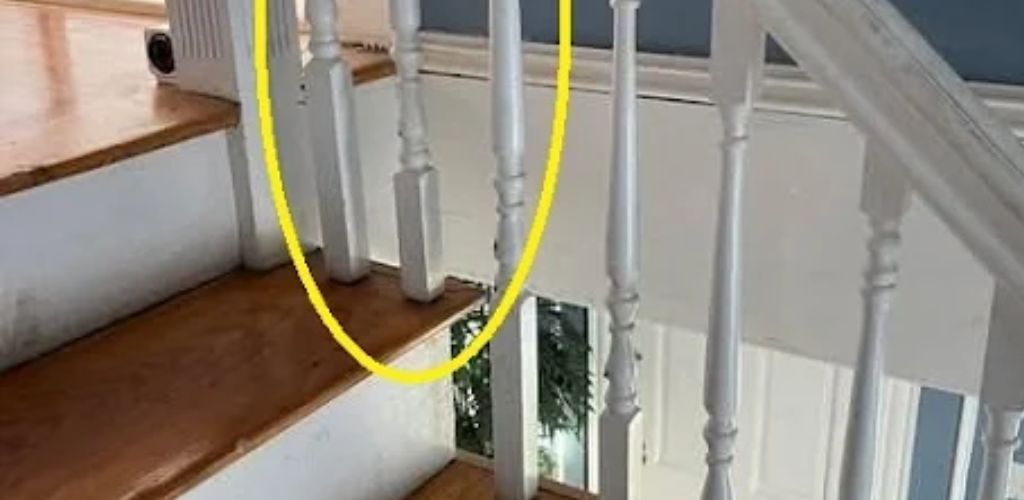
🪜 Ever noticed a single upside-down baluster (spindle) on a staircase or porch railing? This odd architectural quirk isn’t always a mistake—it often carries historical, superstitious, or symbolic significance. Here’s what it really means.
Possible Reasons for an Upside-Down Baluster
1. A Carpenter’s Signature
- Tradition: Some woodworkers intentionally flipped one baluster to mark their work (like an artist’s signature).
- Example: Historic homes in New England and the South often have this detail.
2. Superstition & Protection
- Folk Belief: An inverted spindle was thought to:
- Ward off evil spirits (tricking them into entering “upside-down” and getting trapped).
- Prevent witches from settling on the property (old European superstition).
3. A Secret Signal
- Underground Railroad Myth: Some claim inverted balusters signaled safe houses for escaping slaves, but historians debate this. (Most verified markers were quilts or lanterns.)
4. Pure Accident (But Left as a Quirk)
- Human Error: Sometimes, it’s just a mistake the homeowner found charming and kept.
How to Spot an Intentional Upside-Down Baluster
🔍 Location: Often the last spindle on a staircase or porch.
🔍 Craftsmanship: The wood grain may match the others, suggesting it wasn’t a repair.
Modern Interpretations
- Good Luck Charm: Some homeowners flip a baluster for fun or tradition.
- Architectural Whimsy: Adds character to older homes.
Final Thought
Whether superstition, artistry, or accident, that odd baluster tells a story.
Have you seen one? Share photos below!
📌 Save this fact for your next historic home tour!
🏡 Follow for more hidden architecture secrets.
(Sources: Folklorists, historic preservationists, and carpenter traditions.)