The usual comfort of city life makes us take the conveniences of civilization for granted. However, to make your stay at your dacha or country house as comfortable as possible, you need to take care of the sewage system.
In many villages and dacha cooperatives, there is no centralized sewage system, which forces property owners to decide the question: “Where to drain wastewater?” Most often, the choice comes down to two options – installing a septic tank or arranging a cesspool.

What is a cesspool and septic tank?
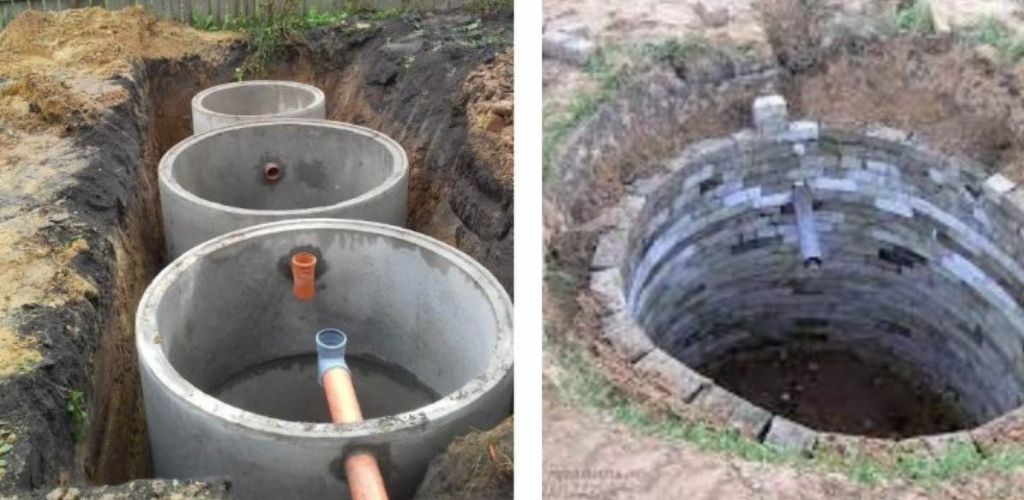
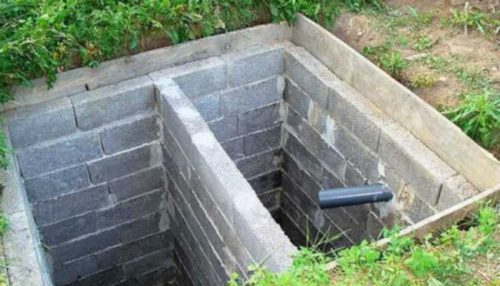
A cesspool is a sealed well into which wastewater from a house flows by gravity through a sewer pipe.
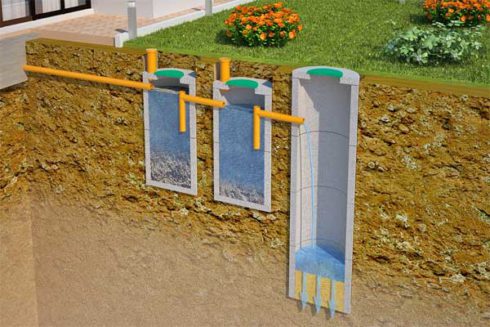
A septic tank is a sealed container in which wastewater is purified using anaerobic digestion.
It does not require an electrical connection, as waste is processed by bacteria in the tank.
5 Key Differences Between a Septic Tank and a Cesspool
Before making a choice, you should consider their main differences:
- Cost – installing a septic tank is significantly more expensive than building a cesspool.
- Number of tanks – a cesspool is a single sealed container, while a septic tank usually consists of two or even three chambers.
- Wastewater treatment – a septic tank provides partial filtration of water, while a cesspool only accumulates waste.
- Maintenance – a cesspool requires regular pumping by a sewage truck, which entails additional costs. In a septic tank, clarified wastewater is partially absorbed into the soil, reducing the frequency of maintenance.
- Volume – since waste is not removed from the cesspool, it must be made significantly larger than the septic tank.
Pros and cons of a cesspool
Advantages:
- Affordable cost – it is enough to build one sealed container, which you can make with your own hands from scrap materials.
- Simple design – does not require complex technical solutions or special skills for installation.
- Environmentally friendly – if properly installed, wastewater does not leak into the soil, which prevents groundwater pollution.
Flaws:
- Limited capacity – not suitable for large volumes of wastewater.
- Requires regular cleaning with the help of sewage disposal trucks.
- An unpleasant odor may spread throughout the area.
Pros and cons of a septic tank
Advantages:
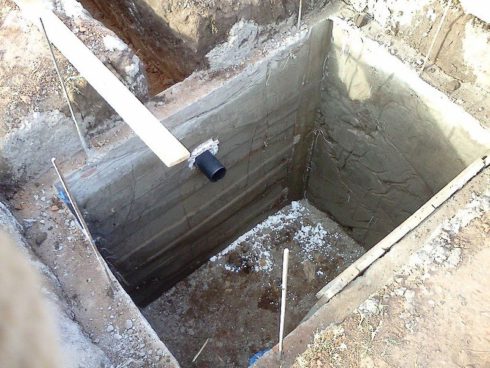
- A variety of designs – you can use brick, concrete or plastic, creating both a sealed and a drainage option.
- Partial recycling of waste reduces the need to call a sewage truck.
- Allows the reception of large volumes of wastewater.
Flaws:
- Partial purification (70-80%) may result in some environmental pollution.
- More complex design and high installation costs.
Which is better to choose?
After analyzing all the differences, we can conclude that for country houses with permanent residence it is more convenient to install a septic tank, and for seasonal summer cottages – a cesspool.
However, the final choice depends on the personal preferences of the owner and the specifics of the site.