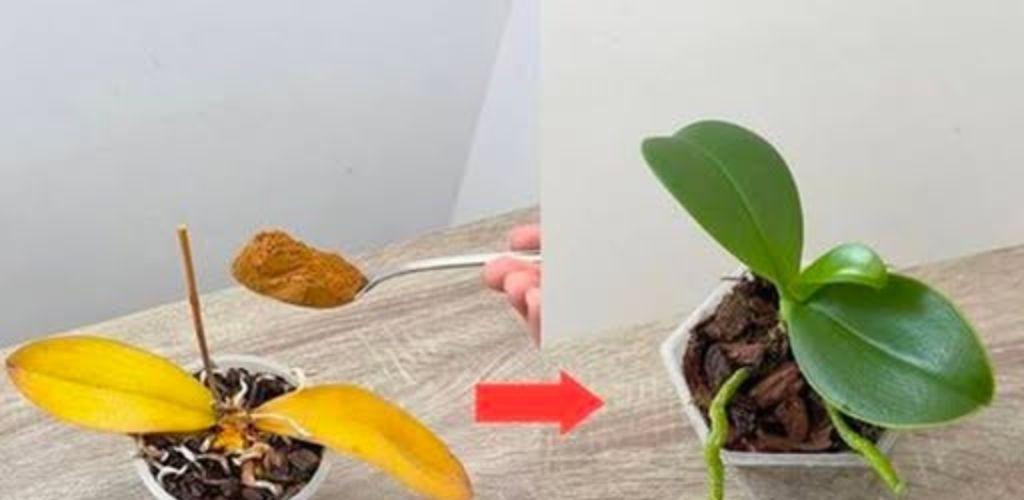
Orchids are among the most beloved plants for their elegance and spectacular flowers, but they can seem difficult to maintain. If your orchid is losing leaves, roots or seems dying, do not despair: with a simple trick you can save it and bring it back to health.
Discover how to take care of an orchid in difficulty and make it bloom again.
Why is the orchid dying?
Before taking action, it is important to understand what is causing the problems. The most common causes are:
- Excess water: the roots suffocate and rot if the substrate remains too wet.
- Too little water: the roots dry out and the plant cannot feed itself.
- Inadequate light: Too little or too much light can stress the plant.
- Exhausted substrate: Orchids need a specific and airy substrate, often composed of pine bark.
The Trick to Save a Dying Orchid
Here is the step-by-step method to save your orchid in difficulty:
1. Check the roots
Remove the plant from the pot and inspect the roots.
Healthy roots: They are green or whitish and firm.
Rotten Roots: These are brown, soft, and should be removed.
Use sterilized scissors to cut off any dead or damaged roots.
2. Prepare a regenerating bath
Immerse the orchid (only the roots, not the leaves) in a basin of warm water for 20-30 minutes.
Add a few drops of specific orchid fertilizer or a pinch of cinnamon powder to prevent fungal infections.
3. Change the substrate
Repot the orchid in a fresh and airy substrate, specific for orchids. Use a transparent pot with drainage holes to monitor the condition of the roots and ensure good air exchange.
4. Place the orchid in the right place
Place it in a bright place but without direct sunlight.
An east or west facing window is ideal. Maintain a temperature between 18°C and 24°C and moderate humidity.
5. Water correctly
Wait for the substrate to dry before watering again. A clear sign is when the roots become silvery. Use water at room temperature and preferably not calcareous, such as demineralized or rainwater.
Extra tips to make your orchid bloom again
- Keep leaves clean: Wipe leaves with a damp cloth to remove dust and improve photosynthesis.
- Use a balanced fertilizer: Feed a fertilizer specifically designed for orchids every two weeks during the growing season.
- Stimulate flowering: Move the orchid to a slightly cooler environment for a few weeks to stimulate the formation of new buds.
When to see results?
With the right treatment, orchids can recover in just a few weeks. The leaves will turn green, the roots will begin to grow, and with a little patience, you may see new flower buds within a few months.
Saving a dying orchid is possible with a few tricks and the right trick. Check the roots, repot with fresh substrate and follow a balanced care routine. With a little attention, your orchid will bloom again, giving you its unmistakable beauty.