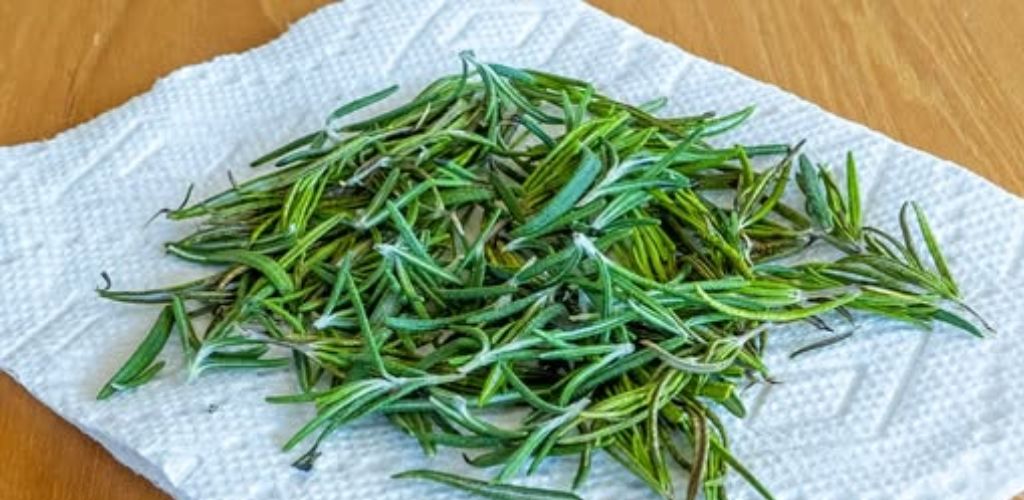
Rosemary powder is a versatile natural ingredient that can be easily prepared at home, and it offers numerous health, beauty and culinary benefits. If you like to have fresh and natural ingredients at your disposal, preparing rosemary powder is a simple and quick process that allows you to take full advantage of the therapeutic and aromatic properties of this plant.
In this article, I will guide you step by step on how to prepare rosemary powder in a simple and correct way.
Why Make Rosemary Powder at Home?
Rosemary is a plant with a thousand properties: it is antioxidant, anti-inflammatory, digestive and has a strong stimulating power on blood circulation.
By preparing the powder at home, you can be sure of its purity, without additives or preservatives. In addition, you will always have a fresh and ready-to-use ingredient to flavor dishes, create herbal teas or make skin and hair treatments.
What Do You Need to Make Rosemary Powder?
Before you begin, make sure you have the right tools. Here’s what you’ll need:
- Fresh or dried rosemary sprigs : Fresh rosemary is preferable, but if you don’t have access to fresh plants, you can also use dried rosemary, as long as it is of good quality.
- Oven or dehydrator : If using fresh rosemary, you will need to dry it first.
- Grinder or coffee grinder : This tool is essential for transforming rosemary into a fine, homogeneous powder.
- Airtight container : Once ready, store the rosemary powder in a closed container to maintain its aroma and properties.
How to Make Rosemary Powder: Step by Step
1. Dry the Rosemary (If Fresh)
If you have chosen to use fresh rosemary, the first step is to dry it. There are several ways to do this:
Oven drying :
Preheat the oven to 40-50°C.
Arrange the rosemary sprigs on a baking tray, preferably covered with baking paper.
Place the tray in the oven and let dry for 1-2 hours, turning the sprigs every 30 minutes to ensure they dry evenly.
Air drying :
If you have time, you can tie the rosemary sprigs into bunches and hang them in a dry and ventilated place.
This process takes 2 to 3 days, depending on the environmental conditions.
Food Dehydrator : If you have a food dehydrator, you can simply follow the device’s instructions to dry your rosemary.
Rosemary is ready for grinding when the leaves are completely dry and crumble easily.
2. Remove Leaves from Twigs
Once the rosemary is dry, remove the leaves from the sprigs. This can be easily done by running your fingers along the sprig or by peeling the leaves off with a small knife. The leaves are the part you will use to make the powder, so be sure to remove them completely.
3. Grind the Rosemary
Now that the leaves are ready, it’s time to turn them into powder.
You can do this using a coffee grinder , a spice grinder, or even a mortar if you prefer a more traditional approach. Proceed as follows:
Add a small amount of rosemary leaves to the grinder.
Turn on the grinder and continue until you get a fine powder. If you prefer a coarser consistency, you can stop earlier.
Pass the powder through a fine sieve to remove any larger pieces.
4. Storing the Rosemary Powder
Your rosemary powder is ready! Now that you have prepared it, it is important to store it properly to maintain its aroma and beneficial properties. Place the powder in an airtight container, preferably glass, and store it in a cool, dry, dark place. Your rosemary powder should keep for several months.
How to Use Rosemary Powder
Rosemary powder is a very versatile ingredient that you can use in a variety of ways. Here are some tips on how to make the most of it:
1. In the Kitchen
Use rosemary powder to flavor meat, fish, soups, sauces, risottos and even potato dishes. As a natural substitute for fresh herbs, it adds a rich and fragrant aroma to your dishes.
2. Herbal Teas and Infusions
Add a teaspoon of rosemary powder to a cup of hot water to make a beneficial herbal tea. This infusion is excellent for improving digestion, stimulating circulation and relieving headaches.
3. Beauty Treatments
Rosemary powder can also be used to make face masks or scalp treatments. Mix it with water or olive oil to create a paste to apply to the skin, or add it to shampoo to promote hair growth.
4. Aromatherapy
You can also use rosemary powder to make scented sachets to put in closets or drawers. The aroma of rosemary is known to have stimulating and refreshing effects, improving mood and concentration.