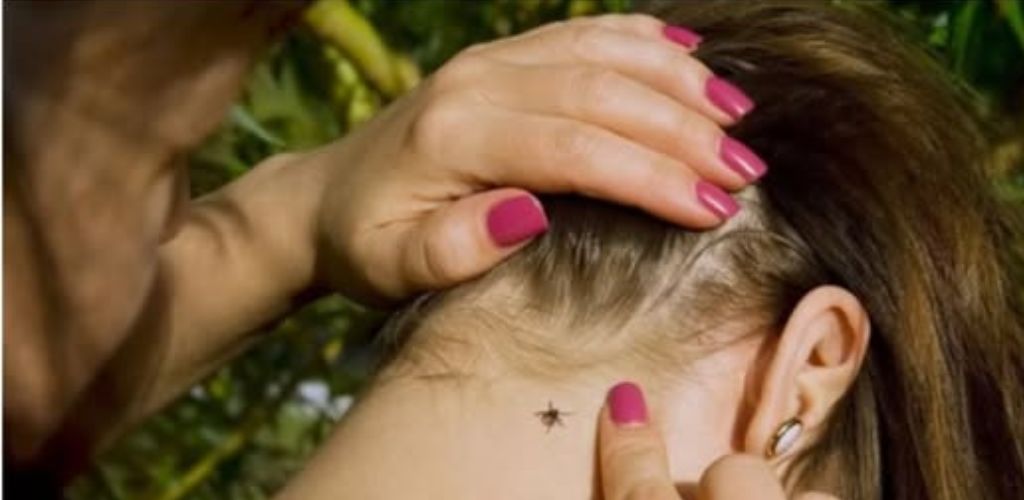
Ticks are frequent guests in grassy and shrubby areas. Their bite may go unnoticed, and the consequences become apparent only after the parasite has attached itself to the skin.

Among the diseases transmitted by ticks, the most common are encephalitis, hemorrhagic fever and borreliosis, which pose a serious threat to human health.
Let’s look at how to avoid tick bites.

Start of tick activity
Tick season begins when the snow melts and the air temperature stabilizes at around +10 degrees Celsius.
This time requires increased attention from nature lovers.
It should be noted that not all ticks are carriers of diseases, but there are infected individuals among them.
The tick activity period lasts from April to September, with the peak of their activity occurring in May.
In August-September, there is a second wave of activity associated with mushroom picking.
The Impact of Clothing Color on the Risk of Tick Bites
To prevent bites, it is recommended to wear light-colored clothing that completely covers the body, including a hat and high shoes.
However, wearing light-colored clothing does not guarantee the absence of bites, but it makes it easier to spot dark ticks against such a background.

The style of clothing is not as important as its practicality and protective properties. It is also important to use repellents according to the instructions, although they do not provide complete protection.
Inspection after returning from a walk
Ticks move up the body, from the legs to the head.
They may hide in clothing or hair before biting. Checking for ticks regularly, especially after walking in nature, can help avoid problems.
Ticks most often hide in places with thin skin:
- under the knees;
- in the folds of the elbows;
- in the groin;
- behind the ears;
- on the head;
- on the neck;
- on the stomach;
- in the armpits.
It is important not to bring things into the house from outside where ticks may be hiding, and to carefully check pets after walks.

Actions to take if you discover a tick bite
If a tick does bite, you need to remain calm and try to remove it correctly using tweezers or thread.
It is important to seek medical help as soon as possible, especially if you have not been vaccinated against encephalitis.
It is advisable to have the detected tick tested to determine the presence of infection.
The presence of a tick bite may indicate infection with an infectious disease, which requires immediate medical attention.
If there is a suspicion of a bite
If you only suspect a tick bite, it is important to monitor your condition closely. Sometimes ticks can quickly become satiated and fall off, leaving only a small mark or completely unnoticeable to a person. This is especially true for nymphs – young stages of ticks, the size of which can be very small.

One of the first signs of a possible infection is erythema migrans: a red spot or ring around the bite site that increases in size. This symptom can easily be confused with an allergic reaction.
Other symptoms that may indicate a possible infection include headache, fever, fatigue, increased temperature, muscle and joint pain. It is important to note that the presence of just one of these signs is already a reason to see a doctor.
If more than a month has passed since the bite, the diagnosis can be made based on a blood test for antibodies to pathogens carried by ticks.
Prophylactic antibiotics may be prescribed even in the absence of obvious symptoms, which is standard practice when tick-borne infection is suspected.
It is especially important to take tick bites seriously and seek medical attention, as the diseases they can transmit, including Lyme disease and encephalitis, can have long-term and serious health consequences.