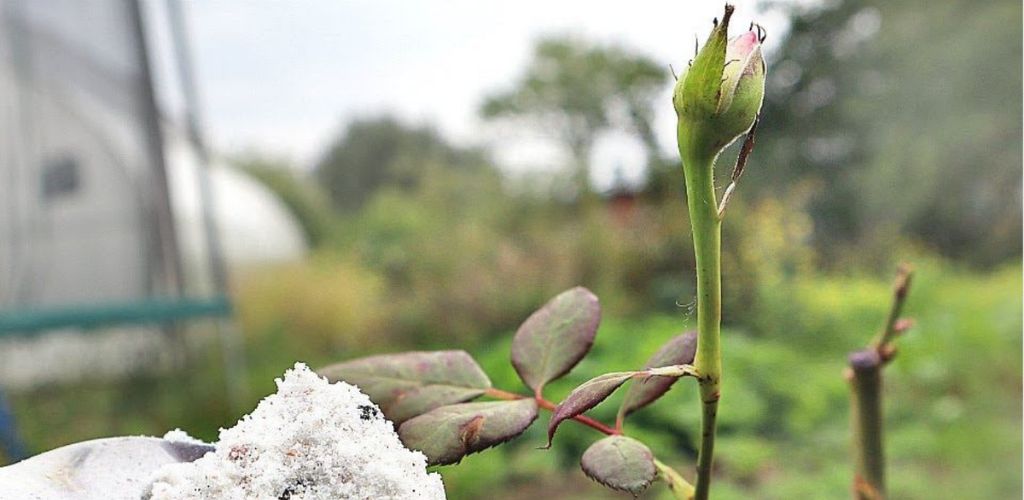
May is a key time for rose care. During this time, the bushes are developing their foliage intensively and starting to form buds.
Proper fertilization can make the difference between a rose with pale flowers and one that will delight you with a show of color and fragrance all summer long.
Here are 5 types of fertilization absolutely essential to stimulate abundant, healthy and long-lasting flowering.
🌱 1. Organic strength: manure or poultry manure maceration
For a vigorous start, roses need nitrogen. This helps the rapid development of vegetative mass.
- Cow dung (mranita) : dilute 1:10 with water ;
- Poultry manure : dilute 1:20 ;
- Water at the root , once every 2 weeks ;
- Caution : Do not water on the leaves and do not apply during hot periods.
🌼 2. Phosphorus and potassium – the key to forming large, colorful buds
Once the plant has formed leaves, it needs nutrients for flower development.
- Superphosphate : 30 g per 10 liters of water;
- Potassium sulfate : 20 g per 10 liters of water;
- Apply to the root , once every 10–14 days;
- Effect : the flowers will be larger, more intense in color and will last longer.
🍞 3. Yeast – the engine of rapid growth
Active yeasts stimulate the microbiological activity of the soil and support the development of roots and stems.
- Mixture: 10 g dry yeast + 2 tablespoons sugar per 10 liters of warm water;
- Let it ferment for a few hours, then water the roses;
- It can be repeated once every 3–4 weeks.
🔥 4. Wood ash – natural fertilizer and antifungal
Ash is an excellent source of potassium, calcium and phosphorus , but also a good repellent for some fungal diseases.
- Sprinkle dry ashes around the stem;
- Or dissolve 1 cup of ash in 10 liters of water and water the plants;
- Effect : strengthens the plant structure and prevents diseases.
💎 5. Magnesium and boron – for intense color and strong fragrance
For efficient photosynthesis and spectacular flowers, roses need microelements.
- Magnesium sulfate : 1 tablespoon per 10 liters of water;
- Boric acid : 5 g per 10 liters of water;
- Apply by spraying on leaves , early in the morning or evening;
- Repeat every 15 days for a visible effect.
🌿 Final recommendation: Mulching after fertilization
After each fertilization, cover the soil around the rose with a layer of mulch (leaves, sawdust, straw). This:
- Maintains moisture in the soil;
- Protects roots from temperature fluctuations;
- Prevents the development of weeds.
Guaranteed result
If you follow this simple May fertilizing plan, your roses will respond with a burst of color, rich blooms, and a fragrance that will transform your garden into a corner of paradise. In just a few weeks, you’ll have healthier, more vigorous roses that will bloom long into late fall .