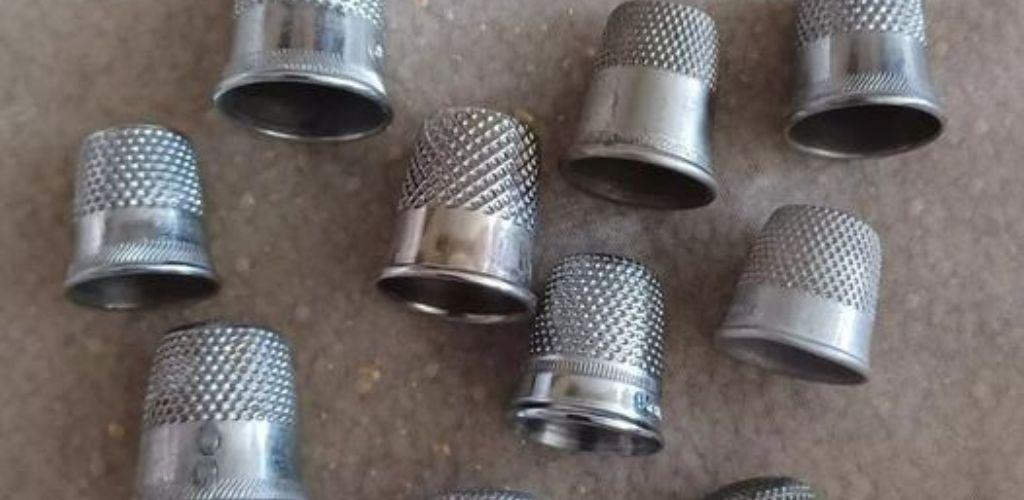
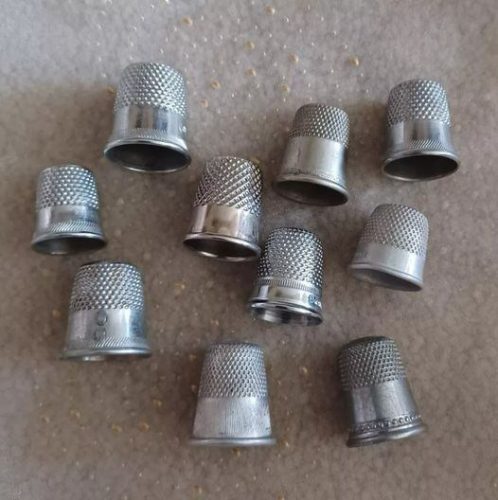
Origin, use and cultural value of antique sewing thimbles.
Historical path.
Thimbles have been with humanity since ancient times. The first known archaeological finds of such items were made during excavations in Pompeii – they are about two thousand years old. These early examples, made of bronze, were used to protect fingers when working with fabric and needles by hand.
In the Middle Ages, leather, wood, and metal were used to make thimbles in Europe. Craftsmen from Nuremberg achieved particular mastery — by the 14th century, this city was considered the main production center for brass thimbles.
By the 17th century, thimbles had become not only practical items, but also indicators of high social status: wealthy people ordered thimbles made of silver and gold, often decorated with exquisite patterns.
With the advent of the 19th century and the development of industrial production, a new stage in the history of the thimble began. Machine production allowed for the mass production of these accessories, making them available not only to the privileged classes of society.
At the same time, decorative thimbles came into fashion, intended not so much for work as for collecting – they were inlaid, engraved and decorated.
Practical application
The main function of the thimble has remained unchanged for centuries: it protects the finger from needle pricks when sewing and allows you to confidently move the needle through the fabric.
The most common way to wear a thimble is on the middle finger – this provides convenience and strength when working with thick or multi-layered materials.
However, thimbles were not only used by seamstresses. They were used in such crafts as bookbinding, leatherworking and lace making. These small devices became indispensable assistants for craftsmen of various directions.
Interestingly, thimbles have left their mark on popular culture. In the popular board game Monopoly, one of the original game symbols was a thimble, which speaks to its wide recognition in everyday life in the 20th century. In fiction, for example, in the fairy tale about Peter Pan, a thimble became a symbol of a kiss – this adds a romantic connotation to the object.
Cultural heritage and collection value
Today, antique thimbles are of great interest to collectors. Their unique shapes, varied styles and historical significance make these miniature artifacts real gems of private and museum collections.
Particularly prized are those made of porcelain, bone china and high-grade silver thimbles.
Many museums around the world display thimble collections, including specialized exhibits. One of the most famous is the Fingerhut Museum in Kreglingen, Germany, which contains many examples from different periods and cultures.
Modern craftsmen and designers draw inspiration from the ancient thimbles, combining traditional manufacturing techniques with new artistic solutions. In this way, this small object lives on, leaving a noticeable mark on the modern culture of handicraft.
Summary
Thimbles, which began as utilitarian devices, have over time become witnesses and participants in cultural and social evolution. They are not just elements of the sewing craft, but also significant historical evidence reflecting changes in technology, aesthetics and the status of things. Their long-lasting significance is confirmed by the interest among collectors and contemporary artists and craftsmen.