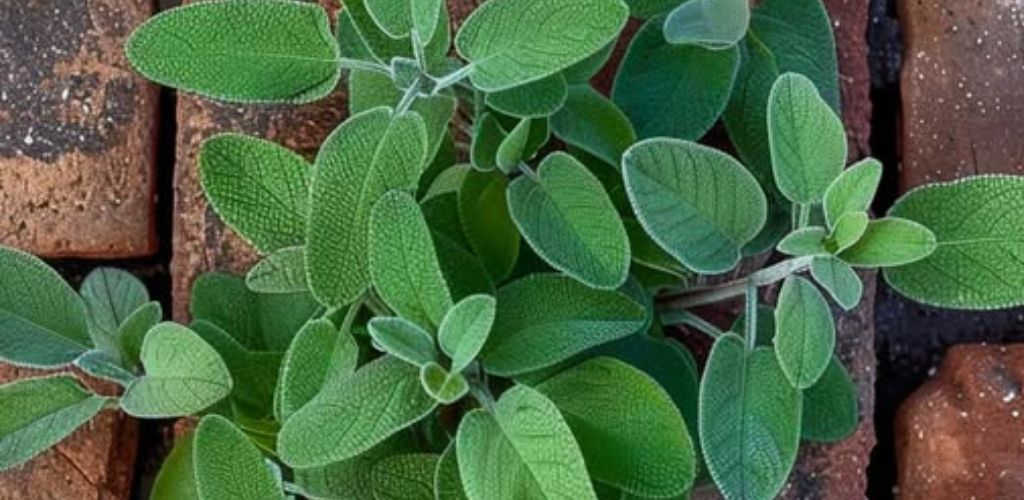
Sage (Salvia officinalis) is an aromatic plant native to the Mediterranean basin, known for its many culinary, therapeutic and domestic applications.
Used since ancient times, sage is appreciated for its beneficial properties and for the versatility with which it can be used in everyday life.
In this comprehensive guide, you will discover how to use sage in cooking, in natural remedies, in body and home care, as well as its artisanal and spiritual uses.
1. Uses of sage in the kitchen
Seasoning for savory dishes
Sage is one of the most versatile herbs in the kitchen.
It pairs perfectly with meats such as pork and poultry, but is also excellent in vegetarian dishes, stuffings, sauces and soups.
Herbal teas and digestive infusions
Sage leaves can be used to prepare aromatic herbal teas , ideal after meals to aid digestion and relieve swelling and heaviness.
Flavouring of oils and butters
Infusing extra virgin olive oil or melted butter with sage leaves allows you to obtain fragrant condiments for first courses, bruschetta, vegetables and grilled meats.
2. Sage and well-being: properties and uses in natural medicine
Natural anti-inflammatory and antioxidant
Sage is rich in bioactive compounds such as flavonoids and phenolic acids that help fight inflammation and oxidative stress.
Throat and mouth treatments
Thanks to its antiseptic properties, sage is useful in the natural treatment of sore throats, mouth ulcers, gingivitis.
The infusion can be used for gargling or as a mouthwash.
Digestive support
Sage tea is known for its digestive and carminative properties: it relieves intestinal disorders, reduces bloating and stimulates the appetite.
Regulation of the menstrual cycle
Sage can help balance the female hormonal system, helping to relieve premenstrual symptoms and regulate the cycle.
3. Uses of sage for personal care
Natural deodorant
Sage essential oil has antibacterial properties that make it an effective ingredient in natural deodorants , both in spray form and in DIY powder form.
Hair Treatment
Sage is particularly suitable for greasy hair and to stimulate growth. It can be used in infusions for rinsing or as a component of natural shampoos and conditioners.
Purifying facial toner
Sage infusion can be used as a tonic for blemished skin, helping to fight acne, rebalance sebum and improve the appearance of the skin.
4. Sage for house cleaning
Natural detergent
Thanks to its antibacterial action, sage is perfect for creating sprays for cleaning surfaces, kitchen tops and bathrooms, without resorting to aggressive chemicals.
Insect repellent
Burning sage leaves or diffusing its essential oil keeps mosquitoes and other insects away.
It is a natural alternative to synthetic repellents.
Room fragrance
Sage leaves, fresh or dried, are ideal for making potpourri or scented sachets to place in closets, drawers or rooms.
5. Spiritual and ceremonial uses of sagePurification of environments
White sage is traditionally used in smudging rituals , a practice of burning it to purify spaces from negative energies.
Meditation and relaxation
The aroma of sage promotes concentration and can be diffused during practices such as meditation, yoga or moments of relaxation.
6. Other creative uses of sageNatural dye
Sage leaves can be used to naturally dye fabrics, yarns or paper, producing shades ranging from green to yellow.
Ingredients for soaps and candles
Sage essential oil is often used in the making of handmade soaps and scented candles , thanks to its aromatic and antibacterial properties.
Sage is much more than a simple aromatic plant: it is a precious ally for health, well-being, home care and creativity. Integrating sage into daily life is a simple and natural gesture that can improve the quality of life, promoting a healthier, more conscious and sustainable lifestyle.