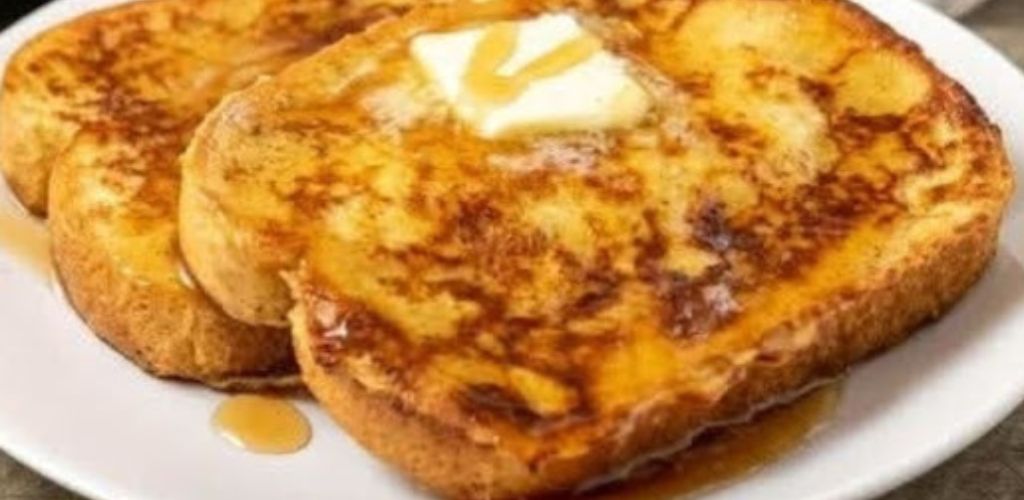
French toast is one of those breakfast classics that can elevate a lazy morning into pure indulgence. But let’s be honest—sometimes it turns out soggy, dry, or just plain bland. What if we told you there’s a foolproof way to make amazing French toast every single time ?
With the right technique and a few insider tips, your mornings will never be the same again.
Let’s dive into how to create golden-brown, perfectly custardy slices of heaven!
How To Make Amazing French Toast Every Single Time 🍞✨
Whether you’re serving brunch for family or treating yourself to a weekend splurge, this guide will help you achieve restaurant-quality French toast at home.
Follow these simple steps, and get ready to impress everyone who takes a bite.
Why This French Toast Recipe Stands Out
- Custard-Like Center : Each slice is soft and creamy on the inside.
- Golden Crust : A beautifully toasted exterior with just the right amount of crunch.
- Customizable : Add flavors like cinnamon, vanilla, or even fruit for variety.
- Consistent Results : No more soggy bread or burnt edges—just perfection every time.
Ingredients (Serves 4)
For the Bread:
- 8–10 thick slices of day-old bread (brioche, challah, or Texas toast work best)
- Optional: Lightly butter the bread for extra richness.
For the Egg Mixture:
- 4 large eggs
- 1 cup whole milk (or half-and-half for creaminess)
- 1 tsp pure vanilla extract
- 1–2 tbsp granulated sugar (adjust sweetness to taste)
- ½ tsp ground cinnamon (optional, for warmth)
- A pinch of salt
For Serving:
- Butter or maple syrup (classic choices!)
- Fresh berries, powdered sugar, whipped cream, or caramel sauce (for added flair)
Instructions
Step 1: Choose the Right Bread
The key to great French toast starts with the bread. Use slightly stale loaves like brioche, challah, or Texas toast—they hold up better in the egg mixture without falling apart. If using fresh bread, lightly toast it first to firm it up.
Step 2: Prepare the Egg Mixture
In a shallow dish (large enough to fit a slice of bread), whisk together the eggs, milk, vanilla, sugar, cinnamon, and salt until smooth.
The milk-to-egg ratio ensures the bread absorbs moisture without becoming waterlogged.
Pro Tip : Let the mixture sit for 5–10 minutes before dipping the bread. This allows the flavors to meld.
Step 3: Soak the Bread
Working one slice at a time, gently press the bread into the egg mixture, flipping once to coat both sides evenly. Let it soak for about 15–30 seconds per side—longer for thicker slices, shorter for thinner ones.
Warning : Don’t over-soak! Too much time in the mixture will make the bread fall apart when cooking.
Step 4: Cook Until Golden Brown
Heat a nonstick skillet or griddle over medium-low heat and add a pat of butter or a drizzle of oil.
Once melted, place the soaked bread in the pan, leaving space between slices.
Cook undisturbed for 2–3 minutes on each side, or until deeply golden brown and crispy around the edges. Resist the urge to flip too early; patience pays off here.
Pro Tip : Lower heat prevents burning while ensuring the center cooks fully.
Step 5: Serve Immediately
Transfer the cooked French toast to a plate and top with your favorite accompaniments. Drizzle generously with warm maple syrup, dot with butter, or sprinkle powdered sugar for an elegant touch. For a fruity twist, add sliced bananas, strawberries, or blueberries.
Tips for Making Perfect French Toast Every Time
- Use Day-Old Bread : Fresh bread absorbs too much liquid, leading to mushy results. Slightly stale bread holds its structure better.
- Don’t Overcrowd the Pan : Cook in batches if necessary to avoid steaming instead of browning.
- Adjust Sweetness : Love sweeter French toast? Increase the sugar in the egg mixture or swap milk for sweetened condensed milk.
- Experiment with Flavors : Try adding nutmeg, citrus zest, or rum extract for unique variations.
- Reheat Leftovers Properly : Store leftovers in the fridge and reheat in a toaster oven or skillet for crispiness.
Common Mistakes to Avoid
- Using Too Much Liquid : Excess egg mixture makes the bread soggy. Pat off excess with a paper towel if needed.
- Cooking on High Heat : High heat burns the outside before the inside cooks through. Stick to medium-low for even browning.
- Skipping the Soak Time : Quick dips won’t allow the bread to absorb enough flavor and moisture.
Final Thoughts
Making amazing French toast doesn’t have to be complicated. By following this recipe and mastering the art of balance—between soaking times, cooking temperatures, and flavor additions—you’ll consistently produce mouthwatering results.
So grab your ingredients, fire up the skillet, and prepare for compliments galore. Whether served as breakfast, brunch, or dessert, this French toast is guaranteed to become a household favorite. Bon appétit! 🍳💖
Let us know how yours turns out by sharing photos or comments below. Happy cooking!