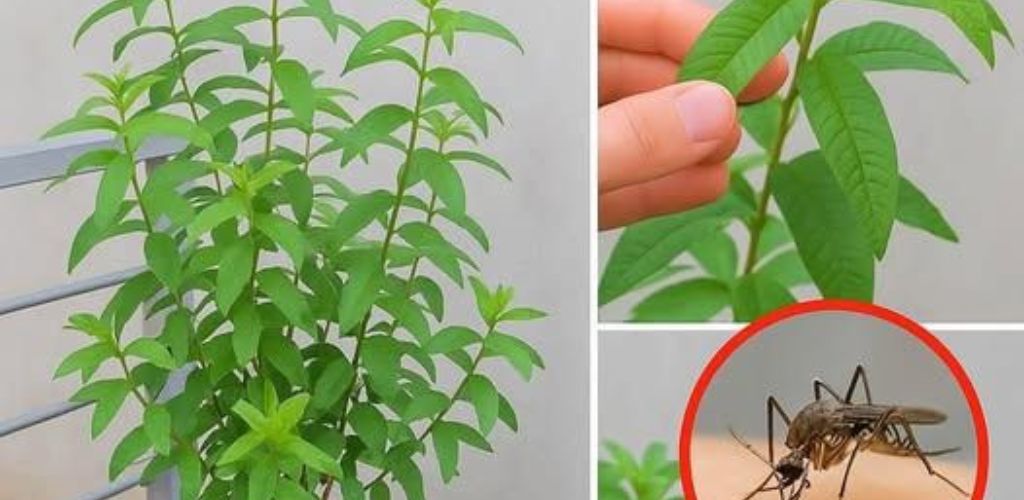
Lantana: The Flower That Makes the Garden Colorful and Keeps Mosquitoes Away
Are you tired of scaring away mosquitoes with electric rackets, citronella candles, and sprays that smell like a laboratory?
There is a much simpler (and prettier) way to reduce the presence of these intruders: planting lantana.
Next, discover why this tropical species has become a favorite among gardeners, how to grow it without any mystery, and where to position the pots to create a natural barrier against insects.
1. From Buzz to Solution – Three Quick Notes
Summer = mosquito season
High temperatures accelerate the life cycle of these insects, which bite more and reproduce in any forgotten puddle.
Chemical repellents are not always popular
Strong aroma, high cost, and risk of irritation in sensitive people encourage the search for green alternatives.
Lantana solves two problems at once
Showy flowers brighten up the balcony; essential oils released by the leaves create an aromatic “force field” that disturbs mosquitoes’ sense of smell.
2. Portrait of the Star of the Post
Feature Practical Details
Scientific name Lantana camara (Verbenaceae family)
Origin Central and South America
Port 50 cm to 1.5 m, herbaceous or shrubby
Flowers Multicolored curls that change hue as they mature
Foliage Dark green, slightly serrated, citrusy aroma
Fruits Small black berries – decorative but not edible
Resistance Tolerates strong sun, heat, and short droughts
3. Why Does Lantana Repel Mosquitoes?
3. Why Does Lantana Repel Mosquitoes?
The plant synthesizes triterpenes, lantana, and essential oils that serve as a natural defense against herbivores.
For us, the scent is almost imperceptible; for Aedes aegypti, Culex, and company, it’s a means of escape.
Field research shows a significant reduction in mosquito population in areas decorated with lantana compared to those without.
The more vigorous the plant, the greater the emission of these volatile substances.
4. Growing Checklist — From Zero to a Blooming Garden
Substrate: Slightly acidic mix (pH 6-6.5) with good drainage; organic compost plus coarse sand works well.
Pot: Minimum 25 cm deep; generous hole in the bottom with a layer of expanded clay or gravel.
Sun Exposure: Six hours of full sun per day ensure continuous flowering.
Watering: Moderate; allow the topsoil to dry before watering again. Avoid standing water.
Fertilization: Biweekly in spring and summer with NPK 10-10-10 or sifted compost. Suspend in winter.
Pruning: Cut tips after each flowering to encourage lateral shoots; remove dead branches.
Pest Control: Mostly pest-resistant, but check for mealybugs; clean with a damp cloth and diluted mild soap.
Propagation: Cuttings of 10 cm semi-woody branches; plant in light substrate until rooted.
5. Planting Step by Step for Beginners
Prepare the Container
Line the bottom of the pot with 2 cm of pebbles and cover with a bidim blanket to hold the substrate.
Mixing the Soil
Combine three parts topsoil, one part sand, and one part humus. Fill to within 3 cm of the rim.
Position the Seedling
Center the lantana, accommodating the roots without bending them. Fill with substrate and press lightly.
First Watering
Water until the water runs out of the drain. Top up substrate if necessary.
Acclimatization
Leave in partial shade for three days; then expose to full sun.
6. How to Turn Lantana into a Mosquito Barrier