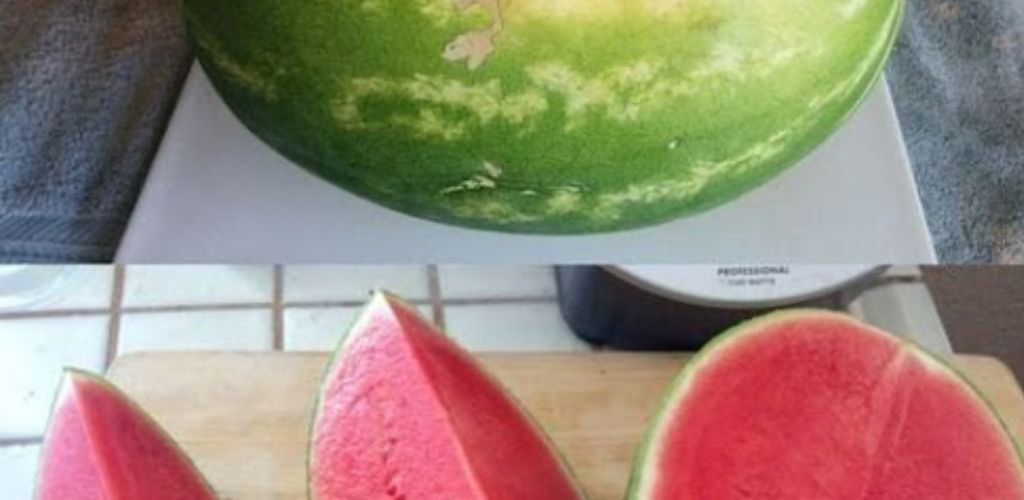
Ever bought what looked like the ripest watermelon at the store… only to slice it open and find it was as flavorless as cardboard?
Or picked up a pineapple thinking it was perfectly golden — but it tasted more like disappointment than tropical bliss?
You’re not alone.
Buying fresh produce can feel like a gamble. But with the right knowledge, you can walk through any grocery aisle or farmer’s market like a pro — and come home with sweet, juicy, full-flavored fruits and veggies every time .
In this post, we’ll show you:
- The best ways to pick sweet, ripe fruit
- What to look for (and avoid) when buying melons, berries, stone fruits, and more
- How to choose vegetables that taste great raw or cooked
- And how to monetize this kind of high-intent content
Let’s turn your next trip to the produce section into a win.
🧠 Why Some Produce Tastes Better Than Others
It’s not just luck — it’s science.
Fruits and vegetables reach their peak sweetness at different stages, depending on:
| Factor | How It Affects Taste |
|---|---|
| Ripeness | Fully ripened = more sugars = sweeter taste |
| Seasonality | Summer berries are juicier than winter ones |
| Color | Brighter colors often mean higher sugar development |
| Smell | Aroma = maturity — strong scent usually means more flavor |
| Feel | Softness or weight can indicate moisture and ripeness |
Knowing how to read these signs turns you into a produce-picking wizard — no more guessing games.
🔍 Top 10 Tips for Picking the Sweetest Fruits
Here’s your cheat sheet for selecting the sweetest, most flavorful fruits:
1. 🍉 Watermelon – Pick One That Feels Heavy
A heavy watermelon = hydrated and sweet. Tap the bottom — if it sounds hollow, it’s ripe.
2. 🍍 Pineapple – Smell the Bottom
If it smells sweet and fruity at the base — it’s good. Dry leaves? Not so much.
3. 🍓 Strawberries – Look for Uniform Redness
Avoid pale patches or white shoulders — they’re underripe. Go for deep red color and fresh green caps.
4. 🍌 Bananas – Yellow with Brown Flecks = Perfectly Sweet
Too green = starchy. Too brown = mushy. Just right = caramelized natural sugars.
5. 🍐 Peaches, Plums, Nectarines – Slight Give When Squeezed
Smell near the stem — if it smells like summer, it tastes like summer.
6. 🍈 Cantaloupe – Netting + Stem End Scent
Check for rough netting and a sweet aroma at the stem end. Avoid rock-hard ones.
7. 🍊 Citrus – Smooth Skin, Weight in Hand
Heavier oranges and lemons = juicier. Avoid soft spots or wrinkled skin.
8. 🍇 Grapes – Firm, Plump, and Attached
Soft grapes = old grapes. Look for tight clusters and firm skins.
9. 🥭 Mangoes – Slightly Soft with a Sweet Neck Squeeze
Press gently near the neck — if it gives slightly and smells sweet, it’s ready to eat.
10. 🍊 Apples – Glossy, firm, and fragrant
Bruises, softness, or an off smell = past their prime.
🥕 How to Choose the Best Vegetables
While not all veggies are about sweetness, many offer flavor clues you can spot before you buy.
Sweet Vegetable Picks:
| Veggie | How to Choose |
|---|---|
| Carrots | Smooth, bright orange — avoid dry ends |
| Bell Peppers | Deep color, firm texture — red peppers are sweetest |
| Corn | Silky tassels, plump kernels under husk |
| Tomatoes | Slight give when squeezed — avoid fridge-cold ones |
| Sweet Potatoes | No bruises, smooth skin, rich color |
| Zucchini | Medium size, glossy surface — not too big |
| Cucumbers | Firm with even color — avoid puffiness |
| Onions | Dry outer layers, no sprouts |
| Beets | Smooth, firm skin — small to medium-sized |
| Asparagus | Snappy stems, tight tips |
Vegetables don’t get sweeter after picking — so buy them fresh and use quickly for best flavor.
🛒 Grocery Store vs. Farmer’s Market: Which Is Sweeter?
Both have pros and cons — here’s how to make the most of each:
| Source | Pros | Cons |
|---|---|---|
| Grocery Store | Convenience, year-round availability | Often picked early — less flavor |
| Farmer’s Market | Locally grown, riper at harvest | Seasonal and sometimes pricier |
💡 Tip: If you’re shopping at a grocery store, go for pre-cut samples when available — you can actually taste before you buy.
🧪 Science Behind Fruit Ripening
Understanding how fruits ripen helps you choose better:
- Ethylene gas speeds up ripening — some fruits (like apples, bananas) release it naturally.
- Climacteric fruits (e.g., peaches, tomatoes) continue to ripen after picking.
- Non-climacteric fruits (e.g., strawberries, cherries) won’t sweeten once harvested — so buy them fully ripe .
For maximum flavor, let climacteric fruits ripen on your counter — then refrigerate to preserve sweetness.
🛠️ Tools That Help You Choose Better Produce
Some gadgets help you test sweetness or ripeness at home:
| Tool | Purpose |
|---|---|
| Refractometer | Measures sugar content (Brix level) in fruits |
| Ripeness stickers | Some stores now label produce by sweetness level |
| Ethylene-free storage bags | Extend shelf life without over-ripening |
| Digital scale | Compare weights for watermelon, cantaloupe, etc. |
| Reusable mesh produce bags | Keep airflow optimal for longer freshness |
These tools aren’t necessary — but they sure help.
🍎 Bonus: How to Ripen Fruits at Home
Want to speed things along? Try these tricks:
| Fruit | Ripening Hack |
|---|---|
| Avocados | Place in paper bag with banana or apple |
| Kiwis | Leave at room temp with other fruits |
| Tomatoes | Store stem-down to keep flavors rich |
| Berries | Don’t wash until eating — use vinegar trick for longer shelf life |
| Melons | Let sit at room temperature for a day or two before chilling |
Once ripe, refrigerate to slow further ripening — except bananas, avocados, and citrus.
🧊 How to Store Fresh Produce Longer
Proper storage keeps your produce tasting great:
| Produce Type | Best Storage |
|---|---|
| Berries | In fridge, loosely covered |
| Bananas | At room temp — wrap stems in foil to slow ripening |
| Herbs | In water like flowers or wrapped in damp towel |
| Tomatoes | Room temp — never fridge unless already cut |
| Avocados | Fridge once ripe — countertop if unripe |
| Leafy Greens | Wrap in paper towels and store in bag |
| Melons | Refrigerate after cutting — whole melon lasts 7–10 days on counter |
Smart storage = less waste = more sweet bites.
📈 Monetization Hacks for Bloggers & Content Creators
If you run a blog or YouTube channel focused on food, health, or smart living , this kind of content is perfect for monetization .
Here’s how to earn from this guide:
- Place display ads between key sections.
- Recommend kitchen tools like produce bags , refractometers , or herb savers using affiliate links.
- Offer downloadable “Produce Buying Guide” behind email opt-ins.
- Create short videos explaining how to pick ripe fruit for YouTube, TikTok, or Instagram Reels with affiliate links in the description.
📊 SEO Tips for Maximum Reach
To help your post rank higher in search engines, optimize for these keywords:
- “How to choose the sweetest fruit”
- “Best way to pick ripe produce”
- “Produce shopping guide”
- “How to tell if a pineapple is ripe”
- “Tips for choosing sweet tomatoes”
- “Sweetest watermelon selection”
Use them naturally throughout your content, especially in:
- Headings
- Image alt text
- Meta descriptions
- Video titles and tags
❓ Frequently Asked Questions
Q: Do pre-cut fruits lose sweetness faster?
A: Yes — once cut, they begin to oxidize and lose flavor.
Q: Should I wash fruit before storing?
A: No — moisture encourages mold. Wash just before eating.
Q: Can I trust “organic” labels for sweetness?
A: Organic doesn’t always mean ripe — use visual cues regardless.
Q: Does refrigeration stop fruit from ripening?
A: Yes — cold slows down ethylene activity and sugar development.
Q: Why do some tomatoes taste bland even when ripe?
A: Many commercial tomatoes are bred for shelf life — not flavor.
🧾 Final Thoughts
Choosing the sweetest produce isn’t magic — it’s a skill.
With the right tips in your back pocket, you’ll never walk out of the store with a sour lemon, mealy peach, or hard-as-rock avocado again.
So next time you’re in the produce aisle, take a moment. Touch, smell, and squeeze your way to the best options — and enjoy every bite like it was handpicked at its peak.
Because fresh doesn’t always mean flavorful — but with this guide, you’ll always know which ones are.