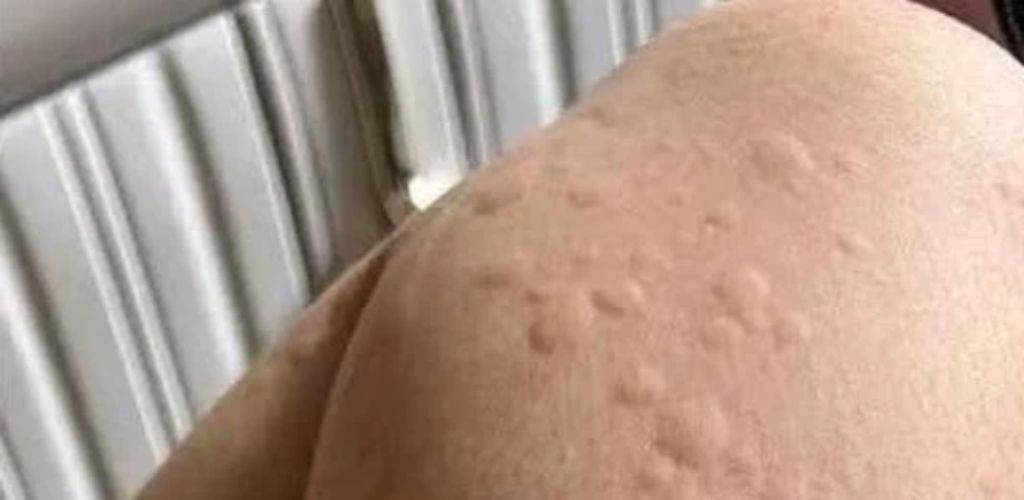
Hives, or urticaria, are a common skin condition that affects millions of people worldwide. Characterized by itchy, raised welts that can appear suddenly and disappear just as quickly, hives can be both uncomfortable and puzzling. While many associate hives with allergies, the triggers behind these outbreaks can be surprisingly diverse—and not always what you’d expect.
Here’s a closer look at some surprising causes of hives that might be lurking in your daily life:
1. Stress and Anxiety
Emotional stress can manifest physically, including through hives. When you’re under significant mental or emotional strain, your body releases hormones like cortisol and histamine, which can lead to an outbreak. This type of hives is often referred to as “stress hives” or “cholinergic urticaria.”
- Example: A big presentation at work or a personal conflict could trigger a sudden flare-up.
- Tip: Practice stress-management techniques such as deep breathing, meditation, or yoga to help reduce the likelihood of stress-induced hives.
2. Cold Temperatures
Some individuals develop hives after exposure to cold air, water, or objects—a condition known as cold urticaria . Even something as simple as drinking an icy beverage or stepping outside on a chilly day can cause a reaction.
- Example: Diving into a swimming pool or holding a cold drink might result in hives forming on exposed skin.
- Tip: If you suspect cold urticaria, try limiting direct contact with cold surfaces and dressing warmly in cooler weather.
3. Exercise and Physical Activity
For some, exercise isn’t just a workout—it’s also a trigger for hives. Known as exercise-induced urticaria , this condition occurs when physical activity raises your body temperature, prompting histamine release.
- Example: Jogging, weightlifting, or even brisk walking could lead to hives appearing shortly afterward.
- Tip: Opt for lighter activities if intense workouts seem to worsen symptoms, and consult a doctor to rule out more serious conditions like exercise-induced anaphylaxis.
4. Pressure from Tight Clothing
Ever notice red welts forming where belts, straps, or tight clothing press against your skin? This phenomenon, called pressure urticaria , happens when sustained pressure irritates nerve endings and triggers histamine release.
- Example: Wearing a snug waistband or carrying heavy bags for extended periods may cause localized hives.
- Tip: Choose looser-fitting clothes and avoid prolonged pressure on sensitive areas whenever possible.
5. Sunlight Exposure
Believe it or not, sunlight itself can cause hives in certain individuals—a condition known as solar urticaria . UV rays prompt an immune response, leading to welts that typically fade once the skin cools down.
- Example: Stepping into bright sunlight without protection could trigger immediate hives.
- Tip: Use sunscreen specifically designed for sensitive skin and wear protective clothing if you’re prone to solar urticaria.
6. Infections (Viral or Bacterial)
Hidden infections, whether viral (like the flu or a cold) or bacterial (such as strep throat), can sometimes spark hives. Inflammation caused by the infection stimulates the immune system to release histamines, resulting in an outbreak.
- Example: After recovering from a seemingly mild illness, you might notice unexplained hives appearing.
- Tip: Treat underlying infections promptly and monitor for any lingering symptoms that could indicate chronic urticaria.
7. Foods You Didn’t Realize You Were Allergic To
While food allergies are well-known triggers for hives, they don’t always present immediately. Delayed reactions to foods like shellfish, nuts, eggs, or even additives like artificial dyes and preservatives can occur hours later, making diagnosis tricky.
- Example: Eating sushi one evening could lead to hives appearing the next morning.
- Tip: Keep a detailed food diary to track potential correlations between meals and outbreaks.
8. Medications
Certain medications, particularly antibiotics like penicillin or NSAIDs like ibuprofen, are notorious for causing hives as a side effect. Even over-the-counter drugs can occasionally trigger unexpected reactions.
- Example: Taking aspirin for a headache might result in widespread hives instead of relief.
- Tip: Inform your healthcare provider about any adverse reactions so alternative treatments can be explored.
9. Water Contact (Aquagenic Urticaria)
Yes, water itself can cause hives in rare cases! Individuals with aquagenic urticaria experience itching and welts upon contact with water, regardless of its temperature.
- Example: Showering, swimming, or even sweating heavily could provoke an outbreak.
- Tip: Minimize prolonged water exposure and use moisturizers to create a barrier on the skin.
10. Idiopathic Reasons
Sometimes, despite thorough investigation, no clear cause for hives can be identified. These cases are classified as idiopathic urticaria , meaning the origin remains unknown. Chronic idiopathic urticaria, lasting six weeks or longer, affects millions globally and requires ongoing management.
- Example: Persistent hives without apparent triggers leave patients frustrated but searching for answers.
- Tip: Work closely with a dermatologist or allergist to explore advanced testing options and tailor a treatment plan.
Final Thoughts
Hives can stem from a wide array of sources, some more surprising than others. By understanding potential triggers—whether environmental, dietary, or emotional—you can take proactive steps to minimize outbreaks and improve quality of life. If persistent or severe hives persist, seek professional guidance to uncover the root cause and find effective solutions. Remember, knowledge is power when it comes to managing this mysterious yet manageable condition.