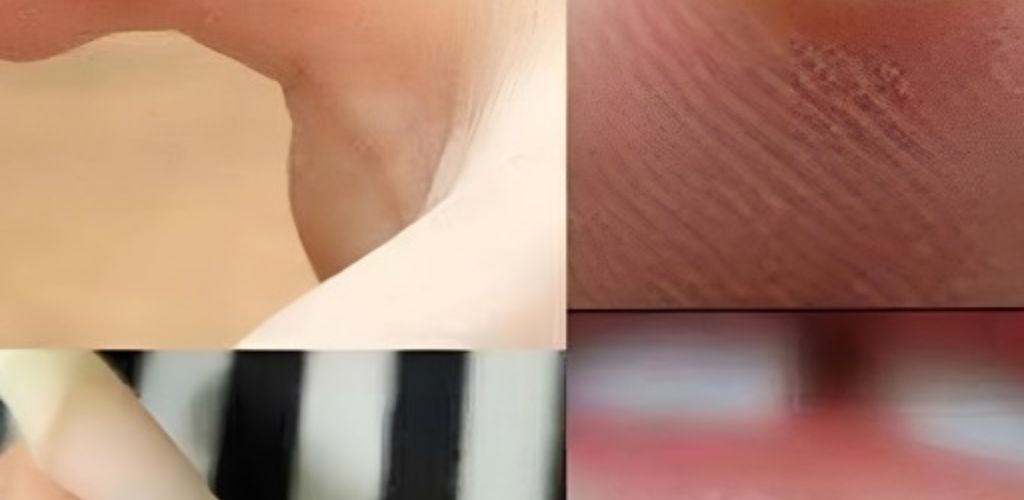
A recent image circulating online shows various types of warts — from the classic rough, raised growths to more alarming cauliflower-like skin formations that have people talking.
And for good reason.
While many skin growths are benign — like common warts or moles — others can be early signs of something far more dangerous, including skin cancer or HPV-related lesions .
In this post, we’ll walk you through:
- The difference between harmless warts and dangerous skin growths
- What the “cauliflower wart” warning really means
- When to see a doctor immediately
- And how to protect yourself
Because sometimes, what looks like a simple bump could be a silent medical red flag .
Let’s dive into what to watch for — and when to take action.
🧬 Understanding Common Skin Growths
Your skin tells stories — scars from childhood falls, sun spots from summer days, and yes… sometimes growths that shouldn’t be ignored.
Common Benign Growths:
| Common Warts | Rough, raised bumps caused by HPV |
| Skin Tags | Soft flaps of skin — harmless |
| Seborrheic Keratosis | Brown, waxy growths often mistaken for moles |
| Molluscum Contagiosum | Smooth, dome-shaped bumps — viral but not serious |
| Actinic Keratoses | Scaly patches from sun damage — precancerous |
Most of these are harmless — but some aren’t.
🩸 Signs That a Skin Growth Might Be Dangerous
The internet image showing cauliflower-like warts has sparked concern — and rightly so.
Here’s what to look for if you notice an unusual skin growth:
| Irregular shape or color | Melanoma or dysplastic mole |
| Rapid growth or change | Possible malignancy |
| Bleeding without injury | Could be basal cell or squamous cell carcinoma |
| Crusting, itching, or pain | May indicate infection or cancerous changes |
| Cauliflower-like texture | Sometimes linked toHPV strainsthat can lead to complications |
| Redness or inflammation around the spot | Not normal — especially if it doesn’t go away |
Don’t wait. Get checked out.
Some growths may start off looking innocent — but change over time. Early detection saves lives.
🤔 What Is a “Cauliflower Wart”?
The term “cauliflower wart” refers to a type of genital or anal wart caused by certain strains of human papillomavirus (HPV) — particularly HPV 6 and 11 .
They’re called “cauliflower” because of their:
- Lumpy, bumpy surface
- Whitish-gray or flesh-colored appearance
- Tendency to cluster together
These warts usually appear in the genital area, around the anus, or on mucous membranes — and they’re typically transmitted through sexual contact .
But here’s the scary part:
Some high-risk HPV strains (like 16 and 18 ) are linked to cervical, anal, and oral cancers — making any persistent or unusual wart worth a closer look.
🧪 What Causes These Types of Skin Growths?
Many skin growths come from viruses, genetics, or environmental factors.
Common Causes:
| HPV (Human Papillomavirus) | Warts, genital warts, possible cancer risk |
| Sun exposure | Actinic keratoses, moles, age spots |
| Aging | Seborrheic keratosis, skin tags |
| Friction or irritation | Calluses, cysts, benign bumps |
| Immune system issues | Recurring or spreading warts |
If you notice multiple or rapidly changing growths — especially in sensitive areas — don’t ignore them.
🧑⚕️ When to See a Doctor
You should never try to diagnose a skin growth on your own — especially if it appears in sensitive areas like the genitals, underarms, or mouth .
See a dermatologist or healthcare provider if:
- The growth bleeds easily
- Itches, burns, or hurts without reason
- Changes color or size quickly
- Looks different from other warts or moles
- Doesn’t respond to OTC treatments
Early diagnosis is crucial — whether it’s a viral wart, pre-cancerous lesion, or melanoma , catching it early makes all the difference.
🩺 Medical Conditions Linked to Unusual Skin Growths
Some growths are more than just cosmetic — they’re tied to serious conditions:
| Genital Warts | Caused by HPV — highly contagious |
| Cervical Cancer | Often preceded by HPV infection |
| Anal Cancer | Linked to high-risk HPV strains |
| Oral Warts | Can develop inside the mouth or throat |
| Squamous Cell Carcinoma | Fast-growing, scaly, and potentially aggressive |
Even non-genital growths — like persistent lumps or odd moles — should be evaluated by a professional.
🔬 How Doctors Diagnose Skin Growths
If you visit a doctor about a suspicious growth, here’s what they might do:
- Visual Exam : First line of defense — trained eyes catch what yours might miss.
- Biopsy : A small sample taken for lab testing — gold standard for cancer detection.
- HPV Testing : Especially for genital or anal growths.
- Dermoscopy : Magnified skin scan to detect irregular patterns.
- Referral to Specialist : Dermatologist, gynecologist, or infectious disease expert depending on location and symptoms
Don’t skip the check-up — even if it feels embarrassing.
🛡️ How to Prevent Dangerous Skin Growths
Prevention is powerful — and can reduce risks significantly.
Prevention Tips:
- Get the HPV vaccine — protects against high-risk strains
- Practice safe sex — use protection and get regular screenings
- Avoid touching or picking at unknown growths
- Use sunscreen daily — UV exposure weakens immune response
- Keep your immune system strong — eat well, sleep enough, manage stress
Knowledge is power — and prevention beats treatment every time.
💊 Treatment Options for Suspicious Skin Growths
Treatment depends on what the growth turns out to be.
Common Treatments:
| Genital Warts | Topical creams, freezing, laser therapy |
| Pre-Cancerous Lesions | Cryotherapy, excision, or topical medications |
| Skin Cancer | Surgery, radiation, or immunotherapy |
| Viral Warts | Salicylic acid, duct tape method, or cryotherapy |
| Skin Tags | Clipping or freezing — easy removal |
Never attempt home remedies for growths that appear abnormal or won’t go away.
📈 Monetization Hacks for Bloggers & Content Creators
If you run a blog or YouTube channel focused on health, skin care, or preventative medicine , this kind of content is perfect for monetization .
Here’s how to earn from this topic:
- Place display ads between key sections.
- Recommend products like dermatologist-approved wart removers , HPV vaccines , or UV-protective clothing using affiliate links.
- Offer downloadable “Skin Health Checklist” behind email opt-ins.
- Create short videos explaining the dangers for YouTube, TikTok, or Instagram Reels with affiliate links in the description.
📊 SEO Tips for Maximum Reach
To help your post rank higher in search engines, optimize for these keywords:
- “Cauliflower wart warning”
- “Dangerous skin growths to watch”
- “HPV skin growths”
- “Serious skin growth signs”
- “When to worry about warts”
- “What does a cancerous skin lump look like?”
Use them naturally throughout your content, especially in:
- Headings
- Image alt text
- Meta descriptions
- Video titles and tags
❓ Frequently Asked Questions
Q: Are cauliflower warts always HPV?
A: Yes — they’re commonly caused by HPV strains 6 and 11 .
Q: Can HPV warts turn into cancer?
A: Not directly — but high-risk HPV strains (like 16 and 18) are linked to cervical, anal, and oral cancers.
Q: Should I remove a cauliflower wart myself?
A: No — improper removal can spread the virus or cause infection.
Q: How long does HPV last in the body?
A: Most infections clear within 2 years — but some persist and increase cancer risk.
Q: Can you get HPV from touching a growth?
A: Yes — especially if broken skin or open cuts are involved.
🧾 Final Thoughts
Not all skin growths are created equal.
That strange bump or cauliflower-like spot might seem like a minor annoyance — but it could be a sign of a deeper issue , from viral infections to pre-cancerous changes.
So next time you spot something unusual on your skin — especially in sensitive areas — don’t shrug it off.
Take action.
Talk to a doctor.
Because sometimes, the smallest growth can be the loudest warning sign.