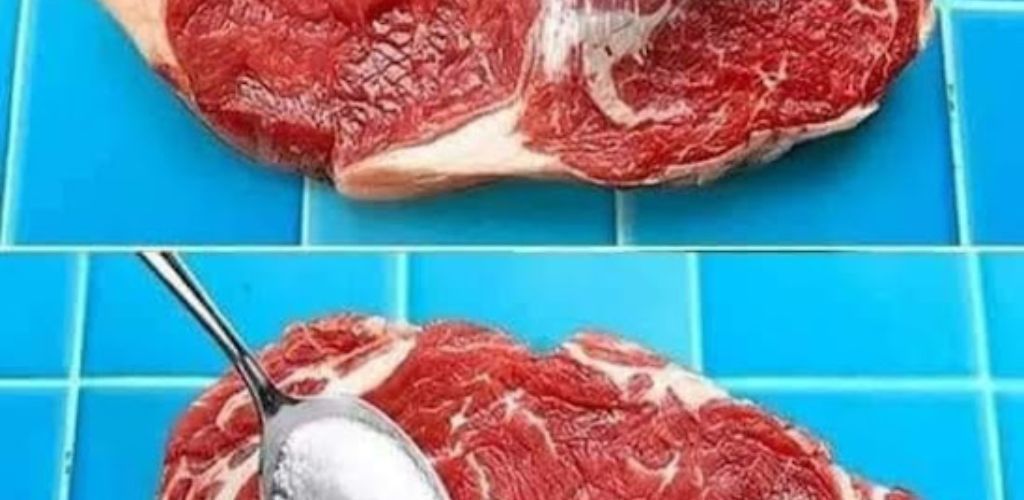
Tired of chewing through tough cuts of meat that should have been juicy and fall-apart tender?
You might not need a fancy marinade or hours of slow cooking — just a small box from your pantry could be the key to transforming your chicken breasts, steaks, pork chops, and even salmon into ultra-tender, melt-in-your-mouth perfection .
That secret ingredient?
Baking soda .
Yes, really!
While most people associate baking soda with cookies, cakes, and fridge odor control, it’s also a powerful meat tenderizer — one that chefs and home cooks alike swear by for turning everyday cuts into restaurant-quality dishes.
Let’s explore how this simple trick works, why it’s so effective, and how you can use it in your own kitchen — starting tonight.
Why Baking Soda Works So Well for Tenderizing Meat
Baking soda (sodium bicarbonate) is an alkaline compound that raises the pH level on the surface of the meat. This helps break down protein structures , making the meat more tender during cooking — without drying it out.
Unlike acidic marinades (like those with vinegar or lemon juice), which can sometimes make the outside of the meat mushy while leaving the inside tough, baking soda tenderizes evenly — preserving moisture and texture.
It’s especially useful for:
- Chicken breast (which can dry out easily)
- Lean cuts of beef (like flank or skirt steak)
- Pork chops (to prevent chewiness)
- Even fish like salmon or cod
And best of all? It only takes 10 minutes to work its magic.
Step-by-Step Guide: How to Use Baking Soda for Super-Tender Meat
What You’ll Need:
- Your favorite cut of meat (chicken, beef, pork, or fish)
- Baking soda (just a small amount)
- Paper towels
- A fork or shaker (for application)
🔪 Instructions:
1. Wash and Pat Dry
Rinse your meat and pat it completely dry with paper towels. Moisture on the surface can affect how well the baking soda works.
2. Sprinkle Baking Soda Generously
Use a fork to lightly poke holes in the meat (optional but helpful), then sprinkle a light layer of baking soda over both sides.
Pro Tip: Transfer baking soda to a spice shaker for easier, more even distribution.
3. Let It Rest
Allow the meat to sit at room temperature for 10–15 minutes . Do not exceed 15 minutes , or the texture may become overly soft or mushy.
4. Rinse Thoroughly
Before cooking, rinse off the baking soda under cold water. Make sure to remove all traces — you don’t want a metallic taste in your finished dish.
5. Pat Dry and Cook
Dry the meat thoroughly with paper towels, then cook as usual — whether grilling, sautéing, baking, or stir-frying.
The result? Noticeably softer, juicier meat — every time.
Why This Method Works Better Than Traditional Marinades
Traditional marinades often rely on acids (like citrus or vinegar) to break down muscle fibers — but they tend to only affect the outer layer , potentially leading to uneven texture.
Baking soda, on the other hand, alters the meat’s pH level , preventing protein tightening during cooking — which keeps the meat moist and tender , even when exposed to high heat.
This technique is especially popular in Chinese stir-fry recipes , where thin slices of beef or chicken are often treated with baking soda before hitting the wok.
How Baking Soda Affects Different Meats
| Chicken Breasts | Prevents dryness and improves texture |
| Pork Chops | Keeps them juicy and avoids toughness |
| Steak (flank, skirt) | Makes lean cuts more tender and flavorful |
| Salmon or White Fish | Helps maintain flaky texture without falling apart |
| Ground Meat | Can help keep burgers and meatballs moist and loose |
Each type of meat benefits uniquely from this method — giving you more flexibility in the kitchen .
Tips for Best Results
✅ Don’t Overdo the Time – Keep it around 10–15 minutes to avoid over-tenderizing.
✅ Use Cold Water for Rinsing – Removes excess baking soda without shocking the meat.
✅ Pair With a Light Marinade – For extra flavor without compromising texture.
✅ Try It Before Stir-Fries or Grilling – Great for quick-cooking methods.
✅ Avoid Salting Too Early – Salt can draw moisture out; season after rinsing off the baking soda.
Creative Ways to Use This Hack
Once you’ve mastered the basics, try these ideas:
🍗 Baking Soda Chicken Stir Fry
Marinate chicken strips with baking soda, rinse, then toss in soy sauce and sesame oil before searing.
🥩 Tender Steak Fajitas
Use baking soda to soften flank steak before slicing and cooking with peppers and onions.
🐷 Pork Stir Fry or Lettuce Wraps
Apply the baking soda method to pork strips for a silky bite in Asian-inspired dishes.
🐟 Restaurant-Quality Salmon
Lightly dust salmon fillets with baking soda before rinsing and pan-searing for a delicate crust and buttery interior.
Frequently Asked Questions (FAQs)
Q: Does baking soda really tenderize meat?
A: Yes! It changes the meat’s surface structure, helping it retain moisture and stay tender during cooking.
Q: Is baking soda safe to use on meat?
A: Absolutely — just be sure to rinse it off thoroughly before cooking.
Q: Can I use baking powder instead of baking soda?
A: No — baking powder contains acid and won’t have the same effect.
Q: Should I salt the meat before or after using baking soda?
A: After — salting too early can cause the meat to release moisture and become dry.
Q: Does this work for slow-cooked meats?
A: It can — though it’s less necessary since long cooking already softens the meat.
Final Thoughts
If you’re tired of dry, chewy meat and want a fast, affordable way to upgrade your meals, give baking soda a try .
It’s a kitchen staple with superpowers , and once you see the results — especially in quick-cooking methods like stir-fries, grilling, or pan-searing — you’ll wonder how you ever cooked meat without it.
So next time you’re prepping dinner, reach for that box of baking soda and unlock a new level of tenderness and flavor .
Your taste buds — and your guests — will thank you.