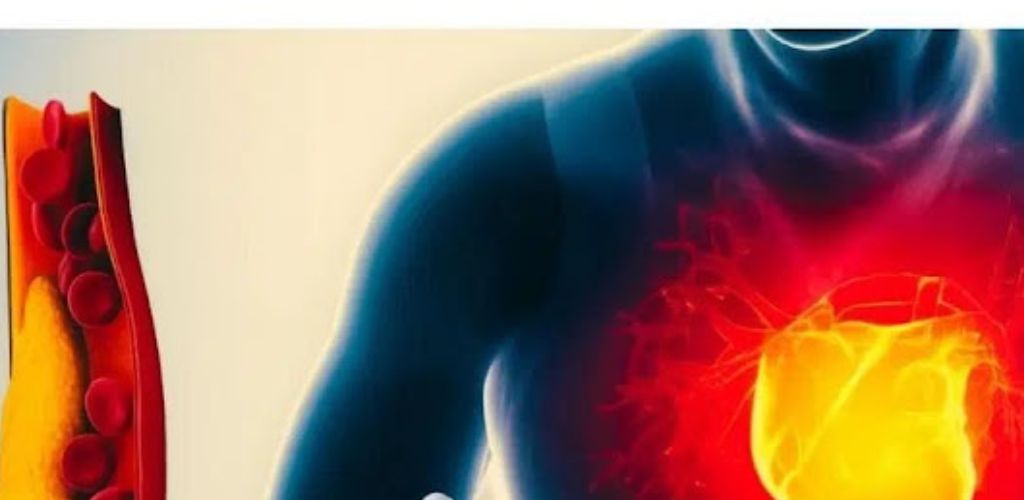
Imagine this: you’re home alone, maybe it’s late at night, and everything seems normal. Suddenly, a strange pain hits your chest. You feel short of breath, and your heart races. It might mean you’re having a heart attack, and you’re all alone. What do you do? In this article, based on the expertise of cardiologist Dr. Andre Wambier, we outline five critical steps to take if you find yourself in this life-threatening situation.
Table of Contents
- Key Takeaways
- Recognizing The Symptoms
- Why Calling for Help is Important
- While You Wait for Help
- Taking Aspirin
- Misconceptions About Coughing
- What If You Find Someone Cold?
- Preventing Heart Attacks
- Conclusion
Key Takeaways
- Spot the symptoms of a heart attack early.
- Call for help immediately —time is crucial in saving your life.
- Stay calm and conserve energy while waiting for assistance.
- Know what to do with aspirin if it’s accessible.
- Understand the importance of quick action and medical intervention .
Recognizing The Symptoms
The first step in managing a potential heart attack is recognizing the signs. Here are seven key signals to watch for:
- Chest Pain : This is the most common symptom. It often feels like pressure, squeezing, or a heavy weight on your chest.
- Radiating Pain : Pain may spread to your arms (especially the left), neck, jaw, or back.
- Shortness of Breath : You might struggle to catch your breath, even when resting.
- Nausea or Vomiting : Some people experience digestive discomfort during a heart attack.
- Sweating : Breaking out in a cold sweat can be an alarming sign.
- Fatigue : Sudden, unexplained exhaustion could indicate a cardiac event.
- Dizziness or Lightheadedness : Feeling faint or unstable may accompany other symptoms.
If you notice any combination of these symptoms, don’t ignore them. Act quickly—it could save your life.
Why Calling for Help is Important
When you suspect a heart attack, the single most important thing you can do is call emergency services immediately . Time is muscle—every minute that passes without treatment increases the risk of permanent damage to your heart.
Even if you’re unsure whether it’s truly a heart attack, err on the side of caution. Emergency responders are trained to handle such situations and can provide life-saving interventions en route to the hospital.
While You Wait for Help
After calling for help, here’s what you should do while waiting for assistance:
- Sit Down and Rest : Avoid exertion. Sit in a comfortable position, preferably leaning forward slightly to ease breathing.
- Stay Calm : Panic can worsen your condition. Focus on slow, deep breaths to keep yourself as calm as possible.
- Unlock Your Door : Ensure emergency personnel can enter your home easily.
Conserving energy and staying calm will help reduce the strain on your heart until professional help arrives.
Taking Aspirin
If you have access to aspirin, taking one tablet (chewed, not swallowed whole) can be beneficial. Aspirin helps thin the blood and may prevent further clot formation, reducing the severity of the heart attack. However, only take aspirin if:
- You’re not allergic to it.
- You haven’t been advised otherwise by your doctor.
Never delay calling emergency services to take aspirin—it’s not a substitute for professional care.
Misconceptions About Coughing
You may have heard advice suggesting that coughing vigorously during a heart attack can act as a form of “cardiac CPR.” Unfortunately, this is a myth. There’s no scientific evidence supporting the idea that self-induced coughing can effectively treat a heart attack. Instead, focus on seeking immediate medical attention.
What If You Find Someone Cold?
If you come across someone who appears unresponsive or cold, follow these steps:
- Check for responsiveness: Gently shake the person and ask loudly, “Are you okay?”
- Call emergency services immediately.
- Begin CPR if trained: If the person isn’t breathing or has no pulse, start chest compressions at a rate of about 100–120 per minute. Continue until help arrives.
Prompt action can make a significant difference in survival rates.
Preventing Heart Attacks
While knowing how to respond to a heart attack is vital, prevention is equally important. Here are some tips to reduce your risk:
- Maintain a healthy diet rich in fruits, vegetables, whole grains, and lean proteins.
- Exercise regularly—aim for at least 150 minutes of moderate activity per week.
- Manage stress through techniques like meditation, yoga, or deep breathing exercises.
- Monitor and control conditions like high blood pressure, diabetes, and high cholesterol.
- Avoid smoking and excessive alcohol consumption.
Adopting these habits can significantly lower your chances of experiencing a heart attack.
Conclusion
Being alone during a heart attack can be frightening, but acting swiftly and appropriately can increase your chances of survival. Remember to recognize the symptoms, call for help immediately, stay calm, and follow expert-recommended steps like taking aspirin if appropriate. Prevention remains the best defense, so prioritize your heart health through lifestyle changes and regular check-ups.
If you ever find yourself in this situation, trust your instincts and seek help without hesitation. Every second counts when it comes to protecting your heart—and your life.