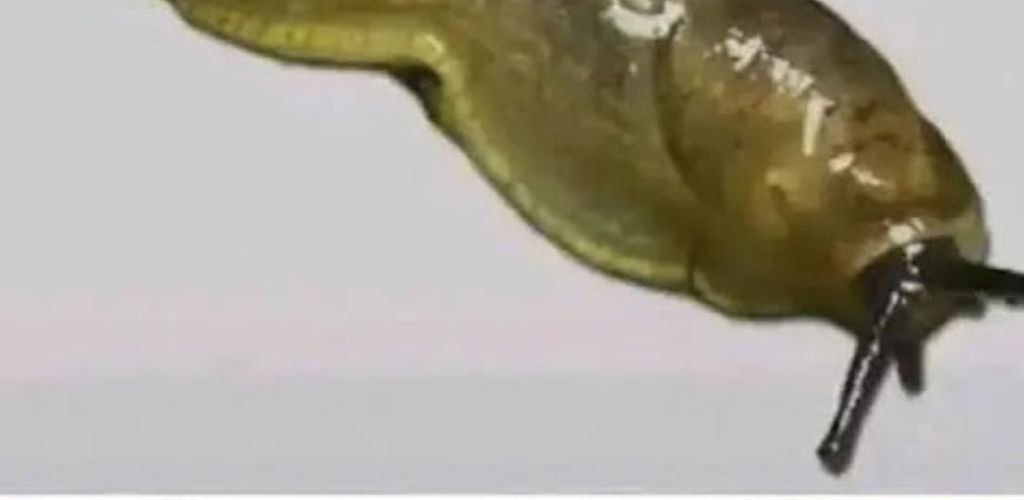
You’re walking through your kitchen at night, flip on the light — and there it is.
A slimy slug , slowly gliding across your floor.
Your first instinct? Disgust. Grab the salt. Call for backup.
But before you reach for the spray bottle, pause.
That humble slug didn’t just wander in randomly — and its appearance might mean more than you think.
While most of us see slugs as garden pests or slimy intruders , these quiet creatures are actually eco-indicators, natural recyclers, and even medical marvels .
So when a slug enters your home, it’s not just a gross coincidence — it could be a message from nature .
Let’s dive into what it really means — and why you might want to rethink your reaction .
🌧️ 1. It’s Been Raining (And Your Home Is a Shelter)
The most common reason a slug enters your home? Weather.
Slugs thrive in cool, damp environments . After heavy rain or during humid seasons, they emerge from gardens, mulch, and under rocks in search of:
- Moisture
- Food (like fungi, algae, or decaying plants)
- Shelter from drying out
Your home — especially basements, bathrooms, or kitchens — offers dark, damp corners that feel like a five-star hotel to a slug.
✅ What it means: It’s not personal — your house is just a cozy refuge.
🌱 2. Your Garden Is Healthy (Yes, Really!)
Here’s a surprising twist: slugs are signs of a thriving ecosystem .
As nature’s unsung recyclers , slugs play a vital role in breaking down:
- Dead leaves
- Rotting wood
- Fungi
- Organic debris
By consuming this material, they help enrich the soil with nutrients — acting as natural composters .
🌿 A slug in your yard (or near your door) often means your garden soil is rich, moist, and biologically active — a good thing!
So while they may munch on your lettuce, they’re also helping everything else grow.
🚨 3. It Could Be an Environmental Warning Sign
Slugs are bioindicators — meaning they’re highly sensitive to changes in their environment.
If you’re seeing more slugs than usual — especially indoors — it could signal:
- Excess moisture (leaky pipes, poor ventilation, damp basements)
- Overwatered gardens or lawns
- Chemical imbalances in soil or water
- Declining biodiversity — when predators like birds, frogs, or beetles disappear, slug populations grow
🔍 A sudden slug invasion? It might be time to check your home’s humidity levels — or your yard’s ecological balance.
🧪 4. Slugs Are Smarter & More Valuable Than You Think
Forget everything you thought you knew about slugs. These creatures are scientific superstars .
🧫 Medical Research
- Slug mucus contains natural compounds that promote wound healing and tissue regeneration
- Scientists are studying slug slime for use in surgical adhesives and skin grafts
💆 Skincare Secrets
- Some high-end skincare products use snail or slug mucin for its hydrating, anti-aging properties
- It’s rich in collagen, elastin, and glycolic acid — great for smooth, glowing skin
🧠 Surprisingly Intelligent
- Slugs have complex nervous systems and can learn, remember, and adapt
- Some species can live up to 5 years and navigate mazes
🐌 They may be slow — but they’re not simple.
🏡 What Should You Do If a Slug Enters Your Home?
Before you reach for the salt (which is cruel and harmful to the environment ), try these humane, effective solutions :
✅ 1. Gently Remove It
- Use a piece of cardboard or a spoon to scoop it up
- Release it in a shady, damp part of your garden — away from your house
✅ 2. Reduce Moisture
- Fix leaks and improve ventilation
- Use a dehumidifier in basements or bathrooms
- Wipe up spills and avoid overwatering indoor plants
✅ 3. Create Barriers
- Sprinkle diatomaceous earth (food-grade) around entry points — it deters slugs without harming them
- Use copper tape — slugs avoid it due to a mild electric reaction
✅ 4. Seal Entry Points
- Check for cracks in doors, windows, and foundations
- Install door sweeps and repair damaged screens
🌍 A Bigger Message: Respecting Nature’s Tiny Workers
That slug in your home isn’t just a slimy surprise — it’s a small ambassador of the natural world .
It reminds us that:
- Even “pests” have purpose
- Nature finds a way in — especially when our spaces mimic their habitat
- Balance matters — in our homes, gardens, and ecosystems
Instead of reacting with fear or disgust, we can choose curiosity and compassion .
After all, every creature — no matter how small — plays a role in the web of life.
Final Thoughts
So, what does it mean when a slug enters your home?
It could mean:
- 🌧️ It’s too damp outside
- 🌱 Your garden is healthy
- 🚨 Your home needs better sealing
- 🧪 You’re sharing space with a creature that’s helping science advance
But one thing’s for sure:
It’s not a sign of bad luck — it’s a sign to pay attention .
Next time you see a slug, don’t reach for the salt.
Take a breath.
Appreciate its quiet role in nature.
Then gently guide it back outside.
Because sometimes, the smallest visitors bring the biggest lessons.