A mini-stroke , also known as a transient ischemic attack (TIA) , is a silent warning — a temporary disruption of blood flow to the brain that often goes unnoticed or is brushed off as “just feeling off.”
While symptoms may last only minutes to hours and leave no permanent damage, a TIA is a major red flag .
💡 Fact: Up to 1 in 3 people who experience a mini-stroke will go on to have a full-blown stroke — and nearly half of those occur within 48 hours .
In seniors, TIA symptoms can be subtle, mistaken for aging, fatigue, or even a brief dizzy spell. But early recognition saves lives .
Here are 5 key symptoms of a mini-stroke in seniors — and why you should never ignore them , even if they disappear.
What Is a Mini-Stroke (TIA)?
A transient ischemic attack (TIA) occurs when a blood clot temporarily blocks a blood vessel in the brain . The symptoms mimic a stroke — but typically resolve within minutes to 24 hours .
⚠️ Critical truth:
A mini-stroke is not “minor.”
It’s a medical emergency — a warning sign that a debilitating or fatal stroke could be imminent .
🔴 5 Symptoms of a Mini-Stroke in Seniors
1. Sudden Weakness or Numbness (Usually on One Side)
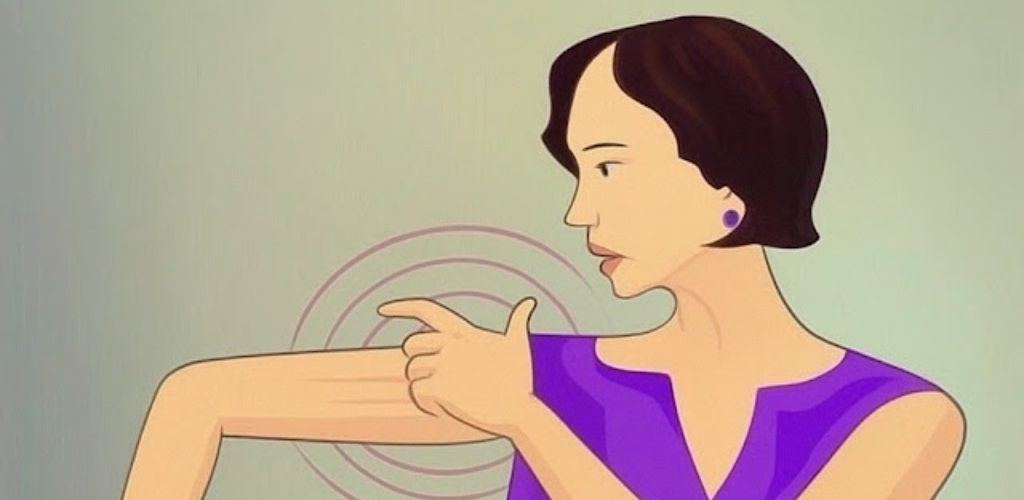
- Affects the face, arm, or leg , especially on one side of the body
- May cause drooping on one side of the face or an arm that won’t lift
- Can come and go quickly — but it’s a major red flag
🚩 Test it: Ask the person to smile, raise both arms, or speak a simple sentence . If one side droops or slurs, act fast.
2. Sudden Confusion or Trouble Speaking
- Slurred speech
- Inability to find words
- Speaking incoherently
- Sudden difficulty understanding others
This can be mistaken for dementia or fatigue — but in a TIA, it comes on suddenly and may resolve quickly .
🚨 Key sign: The person knows what they want to say but can’t get the words out.
3. Sudden Vision Problems
- Blurry or blackened vision in one or both eyes
- Double vision
- Sudden “curtain” falling over the eye
Seniors may blame this on aging or poor lighting — but sudden vision changes are a stroke-level emergency .
4. Sudden Dizziness, Loss of Balance, or Coordination
- Feeling suddenly unsteady
- Trouble walking straight
- Vertigo-like spinning sensation
Unlike normal dizziness, this comes without warning and may be accompanied by other neurological symptoms.
🚩 Red flag: Dizziness with any of the above symptoms — don’t wait.
5. Sudden, Severe Headache (Without Known Cause)
- A thunderclap headache — sudden, intense, and unlike any before
- May be accompanied by nausea or vomiting
- Can signal a TIA or even an impending hemorrhagic stroke
While not all headaches are strokes, new, severe headaches in seniors should always be evaluated .
Why Mini-Stroke Symptoms Are So Dangerous in Seniors
Mini-strokes are especially risky in older adults because:
- ❌ Symptoms are often mild or brief — dismissed as “getting older”
- ❌ Seniors may downplay symptoms to avoid burdening family
- ❌ Cognitive changes (like confusion) can be mistaken for dementia
- ❌ Many live alone — no one to notice subtle signs
📉 Bottom line: Every TIA is a 911 call from the brain.
What to Do If You Suspect a Mini-Stroke
Act FAST — even if symptoms go away.
🚑 F.A.S.T. Action Plan
- F – Face drooping : Does one side droop?
- A – Arm weakness : Can they raise both arms?
- S – Speech difficulty : Is speech slurred or strange?
- T – Time to call 911 : Even if symptoms disappear — call immediately.
⏱️ Golden Window: Getting to the hospital within 3 hours can prevent a full stroke.
How Mini-Strokes Are Diagnosed & Treated
At the hospital, doctors may:
- Perform a CT scan or MRI
- Run blood tests
- Check heart rhythm (ECG)
- Look for carotid artery blockages
Treatment may include:
- Blood thinners (like aspirin or clopidogrel)
- Cholesterol-lowering statins
- Blood pressure control
- Lifestyle changes: diet, exercise, smoking cessation
Goal: Prevent the next, more devastating stroke.
How to Reduce Stroke Risk in Seniors
✅ Control high blood pressure (the #1 risk factor)
✅ Manage diabetes and cholesterol
✅ Quit smoking
✅ Stay physically active
✅ Eat a heart-healthy diet (low sodium, rich in veggies and whole grains)
✅ Limit alcohol
✅ Take medications as prescribed
Final Thoughts
A mini-stroke is not a “false alarm.”
It’s a critical warning — the brain’s way of saying: “I’m at risk. Help me now.”
If you or a loved one experiences any of these 5 symptoms , do not wait — even if they disappear.
Seconds count.
Every symptom matters.
And timely action can save a life.
Because when it comes to strokes, there is no such thing as “too late” — only “too soon.”