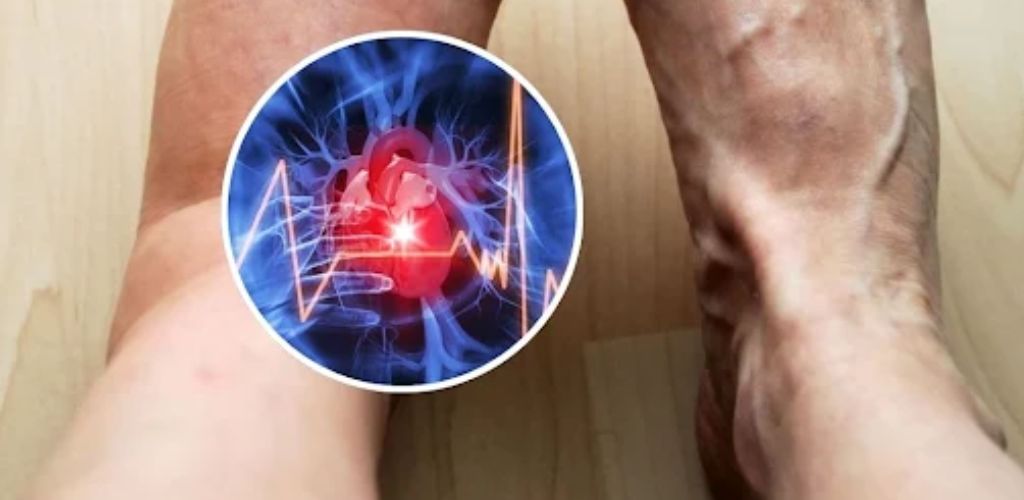
Heart disease is the leading cause of death worldwide — but here’s the good news:
Most heart attacks aren’t sudden.
They’re often preceded by subtle signs that can appear days, weeks, or even months in advance.
The problem?
These symptoms are easy to ignore — dismissed as indigestion, fatigue, or stress.
But your body may be sending silent signals that something is wrong.
Let’s explore the real warning signs — backed by cardiologists and the American Heart Association — so you can act fast and save a life.
Because when it comes to heart attacks, every minute counts.
🚩 Common Early Signs of a Heart Attack
While not everyone experiences symptoms, many people report subtle changes in the days or weeks before a heart attack.
1. Unexplained Fatigue
- One of the most common early signs, especially in women
- Feeling exhausted after light activity or even no activity
- Can last for days or weeks
📊 A study in Circulation found 70% of women reported unusual fatigue before a heart attack.
2. Chest Discomfort (Not Always Pain)
- May feel like:
- Pressure, squeezing, or fullness
- A dull ache or burning
- Comes and goes
- Not always severe — sometimes mistaken for heartburn
💡 It may not be “crushing pain” — but it doesn’t go away with rest.
3. Shortness of Breath
- Difficulty breathing during normal activities (walking, climbing stairs)
- Can occur with or without chest discomfort
- May feel like you can’t catch your breath
4. Pain in the Arm, Neck, Jaw, or Back
- Often on the left side, but can be on the right or both
- Jaw pain is especially common in women
- May come and go, especially during activity
5. Nausea, Indigestion, or Dizziness
- Feels like “the flu” or acid reflux
- May be accompanied by cold sweats or lightheadedness
- Often ignored — but can be a red flag
6. Sleep Disturbances
- Waking up gasping or sweating
- New or worsening insomnia
- May be linked to reduced heart function at night
7. Anxiety or Sense of Doom
- Sudden feelings of panic or unease
- Not tied to stress or mental health
- Some describe it as “knowing something is wrong”
🚨 When to Seek Help
Don’t wait.
If you or someone you love experiences:
- Chest discomfort that lasts more than 5 minutes
- Shortness of breath with or without chest pain
- Pain spreading to the arm, jaw, or back
- Cold sweat, nausea, or dizziness
👉 Call emergency services immediately.
⏱️ Delaying treatment can cause permanent heart damage — or death.
✅ What You Can Do to Reduce Risk
| Know your numbers | Blood pressure, cholesterol, blood sugar |
| Exercise regularly | 150 mins/week of moderate activity |
| Eat a heart-healthy diet | More veggies, whole grains, healthy fats |
| Quit smoking | One of the best things you can do |
| Manage stress | Chronic stress harms the heart |
| See your doctor | Especially if you have diabetes, high BP, or family history |
Final Thoughts
Your body doesn’t always shout.
Sometimes, it whispers.
And when it comes to heart health, those quiet signals — fatigue, breathlessness, discomfort — may be the most important messages of all.