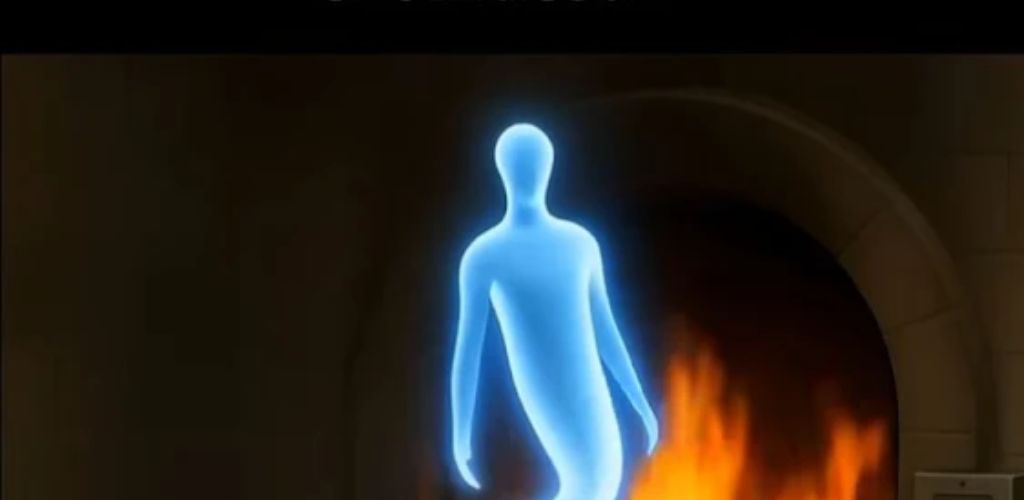
The passing of a loved one opens a quiet space for reflection — a moment when deep questions arise:
What happens to the soul after death?
Does cremation affect the soul’s journey?
Where do our loved ones go?
These are not scientific questions — they are spiritual, emotional, and deeply personal.
While science can explain the physical process of cremation, it cannot answer what happens to the soul, spirit, or consciousness. That realm belongs to faith, tradition, and individual belief.
Let’s explore how different religions, cultures, and philosophies understand the soul’s journey after cremation — with respect, clarity, and compassion.
🔥 What Cremation Does to the Body
Cremation uses intense heat (1400–1800°F) to reduce the body to bone fragments, which are then processed into a fine ash.
It’s a transformation of matter, not a destruction of identity.
But the body is not the soul.
Just as a house is not the person who lived in it, the body is seen by many as a temporary vessel — and the soul, its eternal inhabitant.
So what happens to the soul?
There is no single answer — but here’s what some of the world’s wisdom traditions teach.
🌍 Spiritual & Religious Perspectives on the Soul After Death
1. Hinduism: The Soul is Immortal
- The soul (atman) is eternal and indestructible
- Cremation is preferred because it quickly releases the soul from the body
- The soul begins its journey toward reincarnation or moksha (liberation)
- Fire is sacred — it purifies and guides the soul to the next realm
“The soul is not slain when the body is destroyed.”
— Bhagavad Gita 2:20
2. Buddhism: A Transition, Not an End
- There is no permanent “soul,” but a continuous stream of consciousness
- Cremation supports the idea of impermanence — letting go of attachment
- The consciousness moves into an intermediate state (bardo) before rebirth
- Cremation is common in many Buddhist cultures for this reason
3. Sikhism: Return to the Elements
- The body is returned to the five elements (earth, water, fire, air, ether)
- The soul, having lived in the body, continues its journey toward union with the Divine
- Cremation is standard practice, with prayers to guide the soul
4. Christianity: Resurrection of the Soul
- Traditionally favored burial, but cremation is now widely accepted
- The soul is believed to go to God at death — not affected by the body’s treatment
- Many believe in a spiritual resurrection, not physical restoration
- The Vatican states: “Cremation does not affect the soul, nor prevent God from raising the body.”
5. Islam: Burial is Required
- Cremation is prohibited in Islam — burial is the only accepted practice
- The body is seen as belonging to God, and must be treated with dignity
- The soul remains conscious after death and awaits resurrection
- Cremation is viewed as a desecration, not a spiritual choice
6. Judaism: Burial is Sacred
- Orthodox Judaism prohibits cremation — burial in earth is a mitzvah (commandment)
- The soul (neshama) begins a 12-month transition period after death
- Cremation is seen as a denial of bodily resurrection
- Reform Judaism is more accepting, but burial remains preferred
7. Spiritual But Not Religious: The Soul Moves On
- Many believe the soul is pure energy or consciousness
- It is not bound by the physical body — fire cannot touch it
- Cremation is seen as a symbolic release, not a spiritual event
- The soul may “go toward the light,” reunite with loved ones, or return to a universal source
💭 What Do the Dying Say?
Near-death experiences (NDEs) offer personal glimpses into the afterlife. Many report:
- Feeling peace and love
- Seeing a bright light or spiritual beings
- Experiencing a life review
- Being told it’s “not their time”
Notably, none of these accounts mention the state of the body — suggesting the soul’s journey begins immediately at death, regardless of what happens afterward.
\
🕯️ What Cremation Can Mean for the Living
For many, cremation is not just a practical choice — it’s a ritual of release:
- Letting go of the physical form
- Honoring a loved one’s wishes
- Returning ashes to nature (water, earth, mountains)
- Creating space for healing
And in that act, there’s a quiet truth:
The soul was never in the ashes.
It was in the laughter, the love, the memories — and it remains there.
Final Thoughts
We may never know for certain what happens to the soul when the body is cremated.
But across faiths and philosophies, one truth echoes:
The soul is not bound by fire, earth, or time.
Whether you believe in reincarnation, resurrection, or returning to the universe — the soul is seen as eternal, free, and beyond physical destruction.