You’ve just turned off the lights.
The house is quiet.
You’re about to drift off to sleep…
Then you hear it.
A faint buzzing sound — coming from under your bed .
Curious, you grab a flashlight and peek beneath.
And there it is:
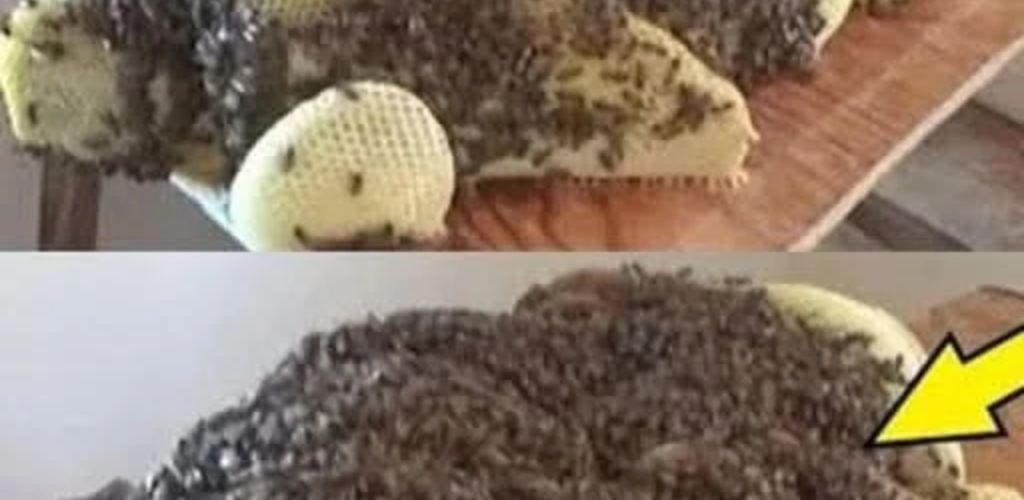
👉 A wasp nest , nestled in the shadows, teeming with activity.
This isn’t a horror movie scene — it happened to a woman in Ohio who discovered a large paper wasp nest hiding under her bed after hearing strange noises at night.
What she thought was a mouse was actually hundreds of wasps — quietly building a colony just inches from her head.
While rare, this story is a powerful reminder:
Wasps can enter homes — and they’ll nest in the most unexpected places.
Let’s explore how this happens, why your bed might be a target, and what you can do to stay safe.
🐝 How Did Wasps Get Under the Bed?
Wasps don’t want to live indoors — but they’ll take shelter when conditions are right.
Here’s how it likely happened:
1. A Single Queen Sneaked In
- In early spring, a fertilized queen wasp searches for a warm, protected spot to start a nest
- She can enter through cracks in windows, doors, or walls — as small as ⅛ inch
- Once inside, she builds a small paper nest and begins laying eggs
2. Your Bedroom Offered the Perfect Conditions
- Warmth from body heat and room temperature
- Stillness and low disturbance — ideal for nest-building
- Dark, hidden space under the bed — out of sight, out of mind
🔍 Unlike bees, wasps build open, umbrella-shaped nests made of chewed wood pulp — often gray or tan.
⚠️ Why a Wasp Nest Under the Bed Is Dangerous
Finding a nest under your bed is more than just creepy — it’s a real safety risk .
1. Risk of Stings
- Wasps are highly defensive of their nest
- Rolling over, reaching under the bed, or even walking nearby can trigger an attack
- Stings near the face or neck can cause swelling, pain, or allergic reactions
2. Allergic Reactions Can Be Life-Threatening
- Over 500,000 people visit the ER each year due to insect stings
- Anaphylaxis (severe allergy) can lead to difficulty breathing, shock, or death without treatment
3. Nests Can Grow Quickly
- A single queen can produce hundreds of worker wasps in a few weeks
- The nest can expand from the size of a golf ball to a football in under two months
🏠 Other Surprising Places Wasps Nest Indoors
Wasps don’t just hide under beds. Watch for signs in:
- Attics and wall voids — most common indoor nesting spots
- Behind shutters or under eaves — close to entry points
- In furniture or stored boxes — especially in garages or basements
- Inside light fixtures or vents — drawn to warmth and shelter
🔎 Signs of a hidden nest:
- Buzzing sounds in walls
- Increased wasp activity near windows
- Small holes with wasps entering/exiting
✅ What to Do If You Find a Wasp Nest
1. Don’t Panic — But Act Fast
- The longer the nest stays, the more dangerous it becomes
- Never try to remove it barefoot or at night — wasps are more aggressive in the dark
2. Seal Yourself Out
- Close the bedroom door
- Keep pets and kids away
- Turn off lights to reduce attraction
3. Call a Professional Pest Control Service
- Do not use store-bought sprays — they may agitate the nest
- Professionals use protective gear and safe removal techniques
- They can also seal entry points to prevent re-infestation
💡 Best time to remove: Early morning or late evening — when wasps are least active.
🛡️ How to Prevent Wasps From Nesting in Your Home
✅ Seal cracks and gaps around windows, doors, and foundations
✅ Install screens on windows, vents, and attic openings
✅ Keep bedroom floors clear — avoid storing boxes or clothes under the bed
✅ Use a bed skirt or dust ruffle — makes it harder for wasps to access the space
✅ Inspect your home in early spring — before queens start nesting
Final Thoughts
Finding a wasp nest under your bed sounds like a nightmare — but it’s a rare yet real possibility .
Wasps are resourceful, and your warm, quiet bedroom might look like the perfect spot to start a colony.
The good news?
You can prevent it with simple steps — and solve it safely if it happens.
So next time you’re about to crawl into bed…
take a quick look underneath.
Because sometimes, the most peaceful places are the ones that need the most protection.