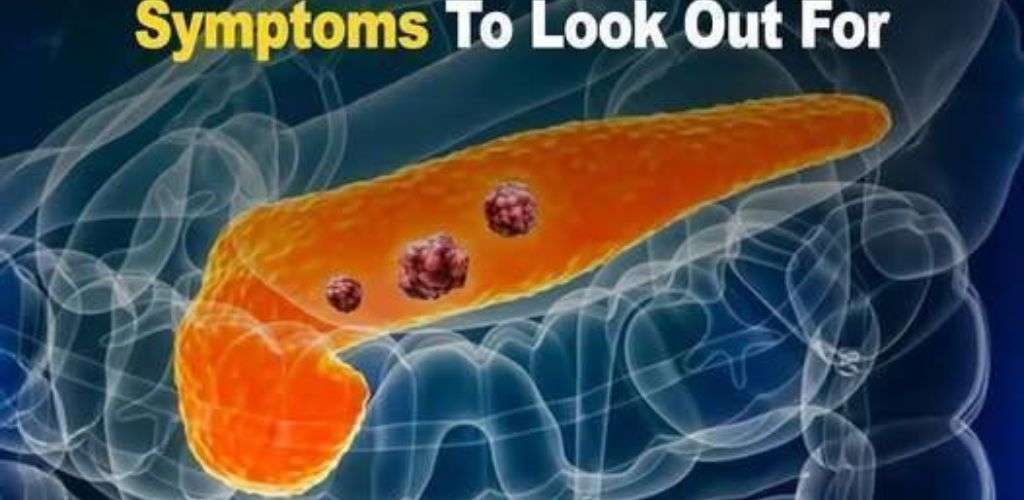
Pancreatic cancer is often referred to as a “silent killer” because its symptoms can be subtle and easily overlooked in the early stages. However, recognizing the warning signs early can make a significant difference in diagnosis and treatment outcomes. While these symptoms can also be linked to other, less serious conditions, it’s important to consult a healthcare professional if you experience any of the following persistently.
1. Jaundice (Yellowing of the Skin and Eyes)
One of the most noticeable signs of pancreatic cancer is jaundice, which occurs when the pancreas blocks bile ducts, leading to a buildup of bilirubin in the body. This causes yellowing of the skin, eyes, and darkening of urine.
2. Unexplained Weight Loss
Sudden and significant weight loss without trying can be an early warning sign of pancreatic cancer. This happens because cancer cells consume energy, or the tumor may cause changes in appetite and digestion.
3. Abdominal or Back Pain
Persistent pain in the upper abdomen that radiates to the back is a common symptom. The pain may worsen after eating or lying down and could indicate that the tumor is pressing on nearby organs or nerves.
4. Digestive Problems
Pancreatic cancer can interfere with the production of digestive enzymes, leading to issues like nausea, vomiting, diarrhea, or oily, floating stools (steatorrhea). These symptoms occur because the body struggles to digest fats properly.
5. Loss of Appetite
A sudden disinterest in food or feeling full quickly after eating small amounts can signal pancreatic cancer. This symptom often accompanies unexplained weight loss.
6. Nausea and Vomiting
The tumor may press on the stomach or intestines, causing persistent nausea and vomiting. If these symptoms don’t improve with standard treatments, it’s important to investigate further.
7. New-Onset Diabetes
While diabetes is a separate condition, pancreatic cancer can disrupt insulin production, leading to new-onset diabetes in some individuals. If you’re diagnosed with diabetes later in life without obvious risk factors, it could warrant further investigation.
8. Fatigue and Weakness
Extreme tiredness and weakness that don’t improve with rest can be a sign of pancreatic cancer. This fatigue is often linked to the body’s response to cancer or nutritional deficiencies caused by digestive issues.
9. Changes in Stool Color
Pale or clay-colored stools can indicate a blockage in the bile ducts, while dark urine may suggest excess bilirubin in the body. Both are potential warning signs of pancreatic cancer.
10. Enlarged Gallbladder or Liver
A doctor may detect an enlarged gallbladder or liver during a physical exam, which could indicate a blockage caused by pancreatic cancer.
When to See a Doctor
If you experience one or more of these symptoms—especially if they persist or worsen—it’s crucial to seek medical advice promptly. Early detection of pancreatic cancer is challenging but vital for improving survival rates.
Risk Factors to Consider
Understanding your risk factors can help you stay vigilant:
- Age: Most cases occur in people over 60.
- Family History: A family history of pancreatic cancer increases risk.
- Smoking: Smokers are twice as likely to develop pancreatic cancer.
- Chronic Pancreatitis: Long-term inflammation of the pancreas raises risk.
- Obesity and Poor Diet: High-fat diets and obesity are linked to increased risk.
Conclusion: Stay Informed and Proactive
Pancreatic cancer symptoms can be vague, but paying attention to your body and seeking medical advice early can make all the difference. If you notice any of these signs—especially jaundice, unexplained weight loss, or persistent abdominal pain—don’t hesitate to consult your doctor. Early intervention is key to better outcomes.
Have you experienced any of these symptoms? Share your thoughts or questions—we’re here to help!