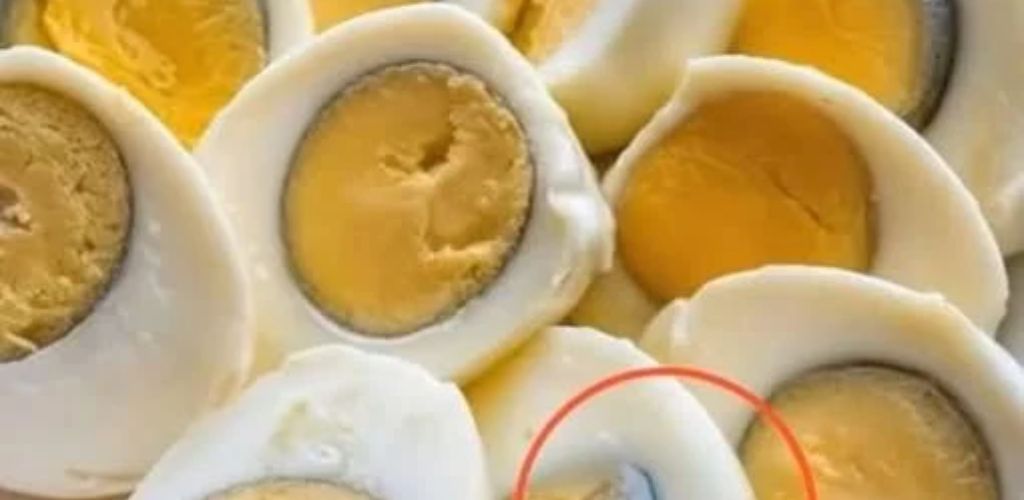
You boil a batch of eggs.
You peel them with care.
And then — disappointment.
At the center of your perfectly cooked hard-boiled egg is a greenish-gray ring between the yolk and the white.
It’s not mold.
It’s not spoiled.
It’s not dangerous.
But it is unappetizing.
So what causes this strange green ring — and can you prevent it?
Spoiler: It’s not your fault — it’s chemistry.
Let’s crack open the science behind the green ring and learn how to cook flawless, golden-yellow yolks every time — no culinary degree required.
🔬 What Causes the Green Ring?
The greenish-gray ring around the yolk is caused by a natural chemical reaction between two elements found in eggs:
- Iron (in the yolk)
- Hydrogen sulfide (in the egg white)
Here’s how it happens:
- When you boil an egg, heat causes the egg white to release hydrogen sulfide gas.
- This gas travels toward the yolk.
- It reacts with iron in the yolk, forming ferrous sulfide — a compound that appears green-gray.
✅ The reaction is harmless — but not very pretty.
🕒 Why Does Cooking Time Matter?
The longer and hotter you cook your eggs, the more hydrogen sulfide is produced — increasing the chance of that green ring.
What Happens at Different Temperatures:
| Overcooked (boiled too long) | High heat = more gas = green ring |
| Perfectly cooked | Minimal gas = clean yellow yolk |
| Undercooked | Runny yolk — no ring, but not what you want for hard-boiled |
🔥 The green ring is a sign of overcooking, not bad eggs.
✅ How to Prevent the Green Ring (5 Easy Tips)
You don’t need fancy tools — just a little timing and technique.
1. Don’t Overcook
- Boil large eggs for 9–12 minutes only
- Set a timer — don’t guess
- After 12 minutes, even perfect eggs start to develop the ring
2. Cool Eggs Immediately
- As soon as the timer goes off, drain the hot water and rinse with cold water
- Transfer to an ice bath for 5–10 minutes
- Rapid cooling stops the cooking process and prevents iron-sulfur reaction
✅ Pro Tip: Shocking eggs also makes them easier to peel.
3. Use Room-Temperature Eggs
- Cold eggs from the fridge take longer to cook evenly
- Starting with room-temp eggs reduces cooking time and hot spots
🥚 Take eggs out 15–20 minutes before boiling.
4. Start with Cold Water, Then Boil
- Place eggs in a pot and cover with cold water
- Bring to a boil, then cover and remove from heat
- Let sit for 9–12 minutes — gentle, even cooking
❌ Avoid dropping cold eggs into boiling water — can crack shells and overcook whites.
5. Use Fresh Eggs (But Not Too Fresh)
- Very fresh eggs (1–3 days old) are harder to peel
- Eggs that are 7–10 days old peel more easily and cook more evenly
- Super old eggs? Smell test first — don’t risk spoilage
🗓️ Ideal: Eggs about a week old.
🟡 What About the Yolk Color?
The yolk’s color depends on the hen’s diet — not cooking method.
- Yellow or orange yolks = hens ate corn, marigold petals, or greens
- Pale yolks = less pigmented diet
🌿 Color doesn’t affect nutrition or safety.
❓ Is It Safe to Eat Eggs with a Green Ring?
✅ Yes — 100% safe.
The green ring is not a sign of spoilage — just overcooking.
- Taste is unaffected (though some detect a slight sulfur smell)
- Nutrition remains intact
- Safe for kids, adults, and meal prep
🍳 If it bothers you visually, use overcooked eggs for egg salad — the mayo covers it!
Final Thoughts
That green ring around your hard-boiled egg yolk isn’t a kitchen failure — it’s science in action.
And now that you know the cause, you can easily prevent it:
Perfect boil + quick cool = golden, beautiful yolks every time.
So next time you’re making deviled eggs, salads, or snacks, remember:
It’s not about perfection — it’s about understanding the egg.
Because sometimes, the best cooking secrets aren’t in the recipe —
they’re in the chemistry.