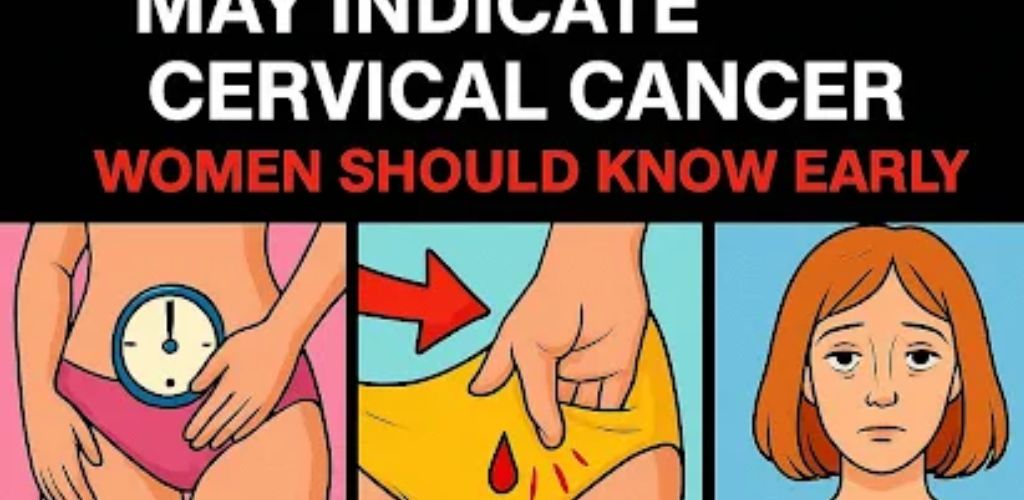
Cervical cancer was once a leading cause of cancer death in women — but today, it’s one of the most preventable and treatable cancers, thanks to HPV vaccination and regular screening.
Still, knowing the early warning signs can make a life-saving difference — especially for women who may not have access to routine Pap smears or HPV tests.
While cervical cancer often causes no symptoms in its early stages, certain changes can appear as the disease progresses.
Let’s explore 8 possible signs that warrant medical attention — and emphasize what every woman should know about prevention, screening, and peace of mind.
🔍 Why Early Detection Matters
- Cervical cancer develops slowly, often over 10–15 years
- It’s caused by persistent infection with high-risk types of HPV (human papillomavirus)
- In early stages, there are usually no symptoms — which is why regular screening is essential
📊 The CDC recommends:
- Pap test every 3 years (ages 21–65)
- HPV test every 5 years (ages 30–65)
- HPV vaccine for adolescents (recommended at age 11–12)
But if screening is delayed or missed, symptoms may eventually appear.
🚩 8 Possible Signs of Cervical Cancer (When to See a Doctor)
1. 🩸 Abnormal Vaginal Bleeding
- Bleeding between periods
- After menopause
- After sex
- Heavier or longer periods than usual
✅ This is the most common symptom — but often dismissed as “just a cycle change.”
2. 💦 Unusual Vaginal Discharge
- Watery, pink, or foul-smelling discharge
- May contain blood
- Persistent, even outside your period
🚫 Not normal. Not just “infection.” Could be a sign of tumor growth.
3. 💤 Pelvic Pain or Pain During Sex
- Deep, dull ache in the lower abdomen or pelvis
- Pain during intercourse (dyspareunia) — especially if new or worsening
🤕 May indicate tumor pressing on nerves or organs.
4. 🚻 Changes in Bladder or Bowel Habits
- Painful urination
- Blood in urine
- Constipation or rectal pain
- Feeling of pressure in the lower belly
🩻 Could mean the cancer is spreading to nearby organs.
5. 📉 Unexplained Weight Loss or Fatigue
- Losing weight without trying
- Chronic tiredness, even with rest
- Often linked to advanced stages
❗ Not specific to cervical cancer — but concerning when combined with other symptoms.
6. 🦴 Back or Leg Pain
- One-sided leg pain or swelling
- Lower back pain that won’t go away
- Caused by tumor pressing on nerves or lymph nodes
🧠 This is rare in early stages — but a red flag if persistent.
7. 🧂 Swelling in One Leg
- Sudden or gradual swelling in one leg (not both)
- May be warm, red, or tender
- Caused by blocked lymph flow or blood clots
🚨 A sign of advanced disease — requires immediate evaluation.
8. 🧪 No Symptoms at All
Yes — this is a “sign” too.
📌 Most early cervical cancers cause no symptoms — which is why screening is everything.
You can feel perfectly healthy and still have precancerous changes.
🛡️ What Every Woman Should Know
✅ Prevention Works
- HPV vaccine prevents infection with the viruses that cause 90% of cervical cancers
- Pap smears detect abnormal cells before they turn into cancer
- HPV tests identify high-risk strains early
💉 The vaccine is safe and effective — for both girls and boys.
🚫 What Symptoms Are Not Normal
Don’t brush off:
- Bleeding after sex
- Post-menopausal bleeding
- Ongoing pelvic pain
🩺 These are not part of aging — they are reasons to see a doctor.
🩺 When to See a Doctor
Seek care if you have:
- Any abnormal bleeding (especially after sex or menopause)
- Persistent pelvic pain or discharge
- Changes in bladder or bowel habits
- Swelling in one leg
Even if you’ve had a recent normal Pap test — symptoms deserve investigation.
Final Thoughts
You don’t need to live in fear of cervical cancer.
But you do need to:
- ✅ Get vaccinated (if eligible)
- ✅ Keep up with screenings
- ✅ Pay attention to your body
Because while cervical cancer often starts silently, it doesn’t have to end tragically.
With early detection and prevention, over 90% of cases can be avoided or cured.
So if you notice something unusual — don’t wait.
Speak up.
Get checked.
Stay protected.
Because your health is worth more than silence.