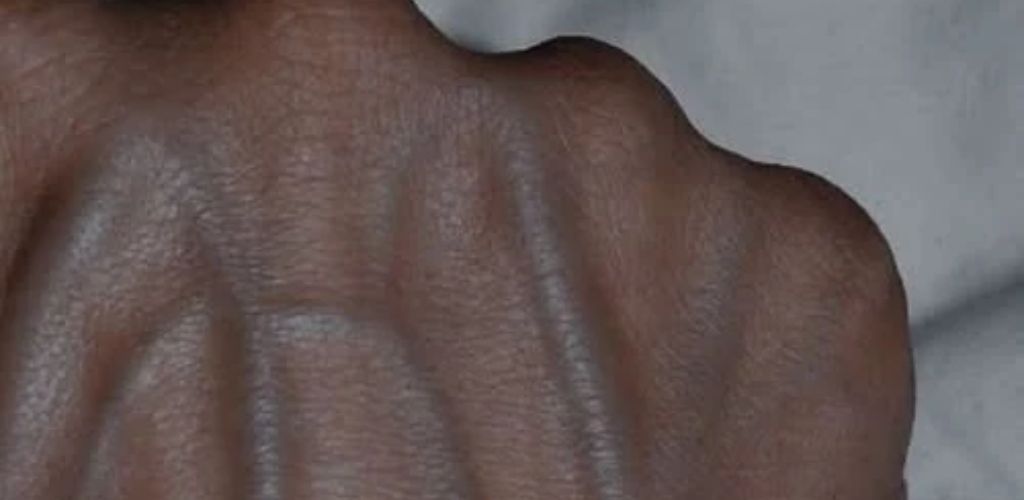
While often a harmless result of genetics, aging, or low body fat, suddenly prominent veins can sometimes be your body’s way of waving a red flag. Don’t just cover them up—understand them.
Here are five medical conditions that can turn your veins into a visible roadmap, and what each one might be trying to tell you.
1. Venous Insufficiency (Chronic Venous Disease)
The Most Common Culprit
This isn’t just about looks; it’s a circulation problem. Tiny one-way valves inside your veins weaken, allowing blood to pool instead of flowing efficiently back to your heart.
- What You See: Varicose veins (bulging, twisted, often blue or purple) and spider veins (smaller, web-like red or purple lines), primarily on the legs and ankles.
- Associated Symptoms:
- Aching, heavy, or tired legs
- Swelling in your lower legs and ankles
- Throbbing or cramping
- Itchy skin around the veins
- Skin discoloration or even ulcers near the ankle in severe cases.
Why It Matters: While often manageable, venous insufficiency can significantly impact quality of life and lead to more serious complications like skin infections or slow-healing wounds if left untreated.
2. Deep Vein Thrombosis (DVT)
A Medical Emergency
DVT is a blood clot that forms in a deep vein, usually in the leg. This is a serious condition because the clot can break loose and travel to your lungs, causing a life-threatening pulmonary embolism (PE).
- What You See: A sudden appearance of prominent, visible veins in one leg. The skin over the area may appear reddened and feel warm to the touch.
- Associated Symptoms:
- Swelling in one leg (this is a key sign).
- Pain or tenderness, often described as a cramp or charley horse.
- Warmth in the affected limb.
Why It Matters: DVT is a medical emergency. If you experience sudden leg swelling, pain, and visible veins, especially accompanied by chest pain or shortness of breath, seek immediate medical attention.
3. Superficial Thrombophlebitis
A Surface-Level Clot
This is inflammation and clotting in a vein just under the skin’s surface. It’s less dangerous than a DVT but can be painful and is often a sign of underlying venous issues.
- What You See: A red, hardened, cord-like vein that is tender to the touch. The surrounding skin may be red, warm, and swollen.
- Associated Symptoms:
- Localized pain and tenderness.
- Warmth and redness along the vein’s path.
Why It Matters: While usually not life-threatening, it requires a doctor’s diagnosis to rule out DVT. It can also be recurrent if an underlying condition like venous insufficiency isn’t addressed.
4. Pregnancy
The Perfect (Temporary) Storm
Pregnancy causes a dramatic increase in blood volume to support the growing baby. At the same time, the hormone progesterone causes vein walls to relax, and the expanding uterus puts pressure on the major blood vessels returning from the legs.
- What You See: New spider or varicose veins on the legs, vulva, or even elsewhere.
- Associated Symptoms: The veins are typically accompanied by normal pregnancy symptoms but may also cause leg aching and swelling.
Why It Matters: For most women, these veins improve significantly within months after delivery. However, they can indicate a higher risk for developing chronic venous insufficiency later in life.
5. Low Body Fat & Dehydration
The “False Alarm” with a Lesson
This is the most common non-medical reason for visible veins, especially in athletes or very lean individuals. With less subcutaneous fat to hide them, veins naturally become more prominent. Dehydration thickens your blood and reduces blood volume, making veins both more visible and more collapsed.
- What You See: A network of visible veins over the arms, hands, chest, and legs. They are typically not bulging or twisted like varicose veins.
- Associated Symptoms: None related to disease. May be accompanied by other signs of dehydration (thirst, dark urine, fatigue).
Why It Matters: While not a disease, severely prominent veins due to extreme leanness or chronic dehydration can sometimes mask other issues. It’s a reminder that what’s “visible” isn’t always “unhealthy.”
When to See a Doctor: A Quick Checklist
Consult a healthcare provider if your visible veins are accompanied by:
✅ Sudden swelling in one leg (think DVT).
✅ Pain, aching, or a heavy feeling in your limbs.
✅ Skin changes like redness, warmth, rash, or ulcers.
✅ Veins that are hard, cord-like, or tender.
✅ Sores or wounds near the ankle that won’t heal.