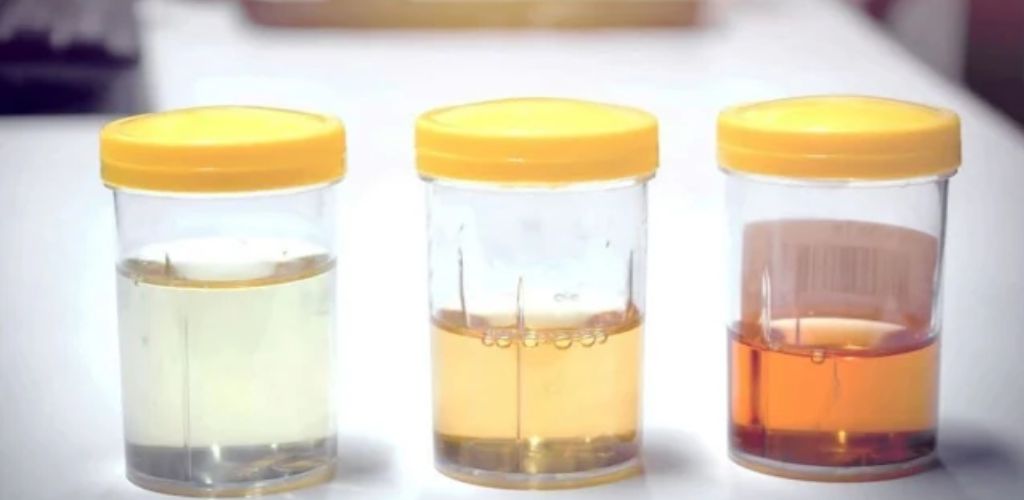
You may not think much about your urine — but it’s one of the most honest indicators of your health.
From hydration to liver function, your pee can reveal a surprising amount about what’s happening inside your body.
While color changes are often harmless, some can signal dehydration, medication effects, or even underlying conditions.
Let’s break down what different urine colors mean — and when it’s time to drink more water… or see a doctor.
🟡 Normal Urine Colors
1. Pale Yellow to Clear
- ✅ What it means: You’re well-hydrated
- 💧 Caused by: Adequate water intake
- 📌 This is the ideal range for healthy urine
💡 Clear urine isn’t dangerous — but if you’re drinking excessive water, ease up. Overhydration can dilute electrolytes.
2. Dark Yellow
- ⚠️ What it means: Mild dehydration
- 💧 Caused by: Not drinking enough fluids, sweating, or morning urine
- ✅ Solution: Drink a glass of water — color should lighten within hours
🌞 Common after exercise, hot weather, or a salty meal.
🟠 Unusual (But Often Harmless) Colors
3. Orange
- Possible causes:
- Dehydration (concentrated urine)
- Vitamin B2 (riboflavin) — common in multivitamins (harmless)
- Certain medications (e.g., rifampin, phenazopyridine)
- ❗ See a doctor if:
- Accompanied by dark stools or yellow skin (jaundice) — could indicate liver or bile duct issues
4. Pink or Red
- Possible causes:
- Beets, blackberries, or rhubarb — harmless food pigments
- Medications like senna (laxative) or rifampin
- Exercise-induced breakdown of red blood cells (rare)
- 🚨 See a doctor if:
- No food explanation
- Painful urination, back pain, or fatigue
- Could be blood in urine (hematuria) — from UTIs, kidney stones, or bladder issues
5. Blue or Green
- Rare, but possible causes:
- Food dyes (especially in candies or drinks)
- Medications (e.g., amitriptyline, propofol, indomethacin)
- Bacterial infections (like Pseudomonas) — usually with foul smell or symptoms
✅ Often harmless, but worth investigating if persistent.
6. Brown or Cola-Colored
- Possible causes:
- Severe dehydration
- Liver disease (e.g., hepatitis, cirrhosis) — due to excess bilirubin
- Kidney disease or rhabdomyolysis (muscle breakdown)
- Certain medications (metronidazole, methocarbamol)
🚨 See a doctor immediately if you have dark brown urine without a clear cause.
⚠️ When to See a Doctor
Seek medical attention if your urine is:
- Red, brown, or cloudy — without food or supplement explanation
- Foul-smelling — especially with pain or fever
- Foamy or bubbly — could indicate protein in urine (kidney issue)
- Frequent changes — that don’t respond to hydration
🩺 A simple urinalysis can check for infection, blood, protein, or sugar.
💧 How to Keep Your Urine Healthy
| Drink enough water | Aim for pale yellow — about 6–8 glasses/day (varies by person) |
| Monitor diet | Beets, berries, and vitamins can change color — no need to panic |
| Avoid over-supplementing | Excess B vitamins or liver-acting herbs can affect urine |
| Don’t ignore symptoms | Pain, fever, or fatigue with color changes need evaluation |
🚫 Never self-treat based on urine color alone.
Final Thoughts
Your urine isn’t just waste — it’s a daily health report.
Most color changes are normal and temporary, thanks to what you drink, eat, or take.
But sometimes, a strange hue is your body’s way of saying:
“Hey — pay attention.”
So next time you go to the bathroom, take a quick glance.
- If it’s pale yellow — you’re doing great.
- If it’s odd but explainable — relax.
- If it’s strange and persistent — talk to your doctor.
Because when it comes to health, even the smallest signs can speak volumes.