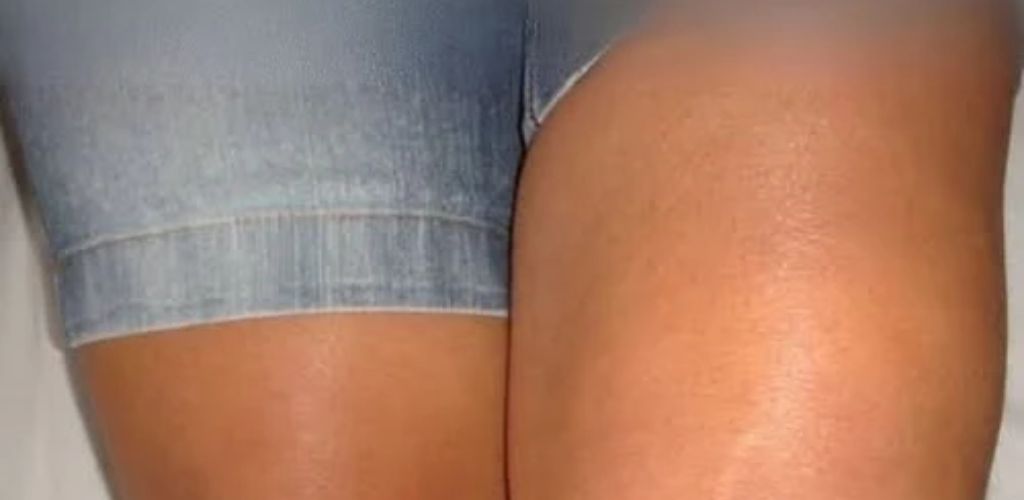
Waking up to a puffy, stiff, or painful knee — while the other feels perfectly fine — can be confusing and concerning.
You didn’t recall a major injury.
You haven’t overdone it at the gym.
So why is only one knee swollen?
Sudden swelling in a single knee (called unilateral knee swelling) is more common than you think — and while it’s not always serious, it can be a sign that your body needs attention.
Let’s explore the most common causes, when to worry, and what you can do — straight from a medical perspective.
🩺 What Is Unilateral Knee Swelling?
Unilateral knee swelling means fluid buildup (effusion) in one knee joint, leading to:
- Visible puffiness or puffball-like appearance
- Stiffness or tightness
- Pain or warmth
- Reduced range of motion
It’s not just “a sprain.”
It’s your body’s response to inflammation, injury, or irritation in the joint.
🔍 7 Common Causes of One Swollen Knee
1. Injury or Trauma
- Sprains, strains, or ligament tears (like ACL or MCL)
- Meniscus tear — common in twisting motions
- Fractures or bone bruises
✅ Often comes with a clear incident (e.g., fall, sports move)
✅ Swelling may appear within hours
🏥 See a doctor for imaging (X-ray or MRI) if pain is severe or mobility is limited.
2. Osteoarthritis (OA) Flare-Up
- Wear-and-tear arthritis affecting one knee more than the other
- Swelling triggered by overuse, weather changes, or prolonged activity
- Often accompanied by stiffness, especially in the morning
✅ Common in people over 50 or with prior joint injuries
💊 Treatment: Rest, anti-inflammatories, joint support, or hyaluronic acid injections.
3. Gout or Pseudogout
- Gout: Uric acid crystals build up in the joint — often strikes the knee suddenly
- Pseudogout: Calcium crystals cause similar symptoms
- Symptoms:
- Intense pain (often at night)
- Redness, heat, and swelling
- Comes on rapidly — “I couldn’t walk by morning”
✅ Gout is more common in men; pseudogout in older adults
🩺 Diagnosis: Joint fluid test or blood work
💊 Treatment: Medications like colchicine or steroids
4. Baker’s Cyst (Popliteal Cyst)
- A fluid-filled sac behind the knee — often linked to arthritis or meniscus tears
- May cause swelling that feels like a water balloon
- Can burst, leading to calf pain and swelling (mimics blood clot)
✅ Often diagnosed with ultrasound or MRI
🧴 Treatment: Address the underlying cause — not just the cyst.
5. Infection (Septic Arthritis)
- Bacteria enters the joint — can happen after surgery, injury, or spread from elsewhere
- Symptoms:
- Severe pain
- Red, hot, swollen knee
- Fever or chills
🚨 Medical emergency — requires immediate antibiotics or drainage
⚠️ Risk higher in people with diabetes, immune disorders, or joint replacements.
6. Bursitis
- Inflammation of the bursae (small fluid-filled sacs that cushion the joint)
- Common types:
- Prepatellar bursitis (“housemaid’s knee”) — from kneeling
- Pes anserine bursitis — inner knee, common in runners or overweight individuals
✅ Often improves with rest, ice, and anti-inflammatory care
🧊 Avoid prolonged kneeling and use knee pads.
7. Reactive Arthritis
- Joint inflammation triggered by an infection elsewhere (e.g., gut or urinary tract)
- May follow a bout of food poisoning or UTI
- Often affects one knee, with possible eye or skin symptoms
✅ Requires medical diagnosis and treatment
🚨 When to See a Doctor Immediately
Seek urgent care if you have:
- 🔥 Fever with a hot, swollen knee — possible infection
- 🩸 Severe pain or inability to bear weight — could be fracture or ligament tear
- 🧠 Red streaks or pus — signs of spreading infection
- 🦶 Swelling that spreads to the calf — rule out blood clot
- 🕒 No improvement after 2–3 days of rest
🩺 Early diagnosis prevents long-term joint damage.
✅ What You Can Do at Home (When It’s Not an Emergency)
If the swelling is mild and you suspect overuse or minor injury:
| R.I.C.E. Method(Rest, Ice, Compression, Elevation) | Reduces swelling and pain |
| Over-the-counter NSAIDs(ibuprofen, naproxen) | Reduces inflammation |
| Avoid activities that worsen pain | Prevents further irritation |
| Gentle movement | Prevents stiffness — but no forcing |
❌ Don’t ignore persistent swelling — even if it’s not painful.
🩻 How Doctors Diagnose the Cause
Your doctor may:
- Perform a physical exam
- Order X-rays or MRI (to check bones, cartilage, ligaments)
- Do an ultrasound (for cysts or fluid)
- Draw fluid from the joint (to test for infection, gout, or crystals)
- Run blood tests (for arthritis, gout, or infection markers)
✅ Accurate diagnosis = better treatment.
Final Thoughts
One swollen knee doesn’t always mean something serious — but it’s never something to ignore.
Whether it’s from arthritis, gout, injury, or infection, the key is to listen to your body and act early.
Because your knees carry you through life —
they deserve care, not silence.
So if your knee is swollen, stiff, or painful — especially if it’s just one —
don’t wait.
See a doctor.
Because the sooner you know the cause,
the sooner you can get back to walking, moving, and living — without limits.