You’ve been looking forward to a delicious salmon dinner.
You pull a fillet from the freezer, thaw it in the fridge, and then…
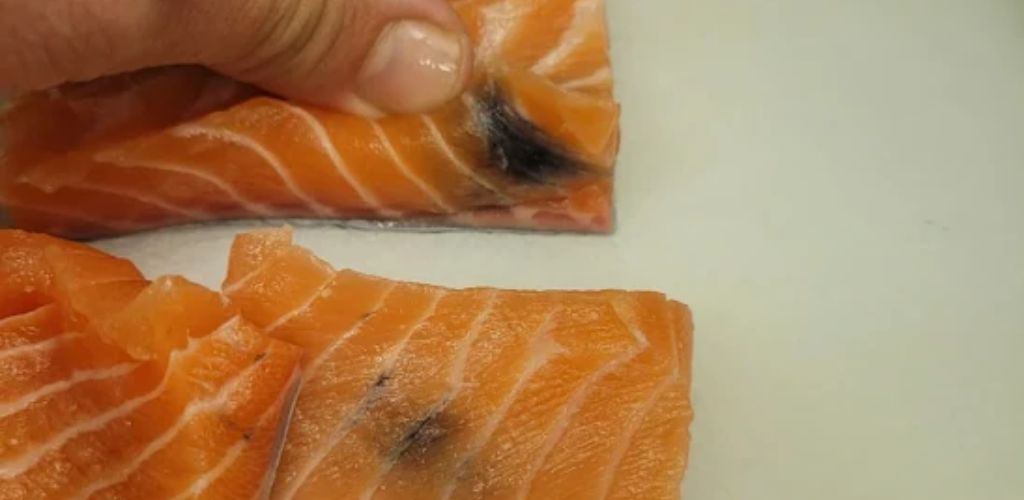
you notice something unexpected:
👉 A yellowish or golden tint on the flesh.
Your mind races:
“Is it spoiled? Did I store it wrong? Is it safe to eat?”
Take a breath.
In most cases, yellow discoloration in defrosted salmon is not a sign of spoilage — it’s usually a harmless chemical reaction caused by freezer storage and natural pigments.
Let’s explore why this happens, how to tell if your salmon is still safe, and when it’s time to toss it — so you can cook with confidence.
🧪 Why Does Frozen Salmon Turn Yellow?
The yellow or golden hue in thawed salmon is often due to oxidation of fats — a natural process that happens when fatty fish are exposed to air, light, or long freezer storage.
Here’s what’s really going on:
1. Fat Oxidation (Rancidity)
- Salmon is rich in omega-3 fatty acids — healthy fats that are also prone to oxidation
- When frozen fish is exposed to air (even in packaging), fats break down and can turn yellow or brown
- This is more common in fatty cuts and long-term frozen storage
✅ The color change doesn’t always mean the fish is spoiled — just that the fats have started to degrade.
2. Astaxanthin Concentration
- Salmon get their pink color from astaxanthin, a natural antioxidant found in their diet (like krill and algae)
- During freezing, this pigment can concentrate or shift, making some areas appear darker or more golden
✅ This is not harmful — just a visual change.
3. Dehydration (Freezer Burn)
- If the salmon wasn’t airtight, moisture can escape, leaving dry, discolored patches
- Freezer-burned areas may look pale, whitish, or yellowish
- Texture becomes tough, but it’s still safe to eat
✅ Just trim off the worst parts before cooking.
✅ How to Tell If Your Salmon Is Still Safe to Eat
Color alone isn’t enough. Use your senses:
| Smell | Mild, clean, ocean-like scent | Strong, sour, ammonia-like odor |
| Texture | Firm, moist | Slimy, mushy, or sticky |
| Color | Light yellow tint, golden spots | Green, gray, or black mold |
| Taste (if unsure) | Mild, slightly sweet | Bitter, sour, or “off” taste |
✅ When in doubt, throw it out.
🛡️ How to Prevent Discoloration in Frozen Salmon
| Wrap tightly | Use vacuum-sealed bags or double-wrap in plastic + foil |
| Label & date | Use within3–6 monthsfor best quality |
| Remove air | Prevents oxidation and freezer burn |
| Freeze quickly | Flash-freeze on a tray before storing |
| Store at 0°F (-18°C) or below | Slows fat breakdown |
❄️ The sooner you eat it, the better it tastes and looks.
🍽️ Can You Still Cook Yellow-Tinted Salmon?
✅ Yes — if it passes the smell and texture test.
- The yellow color may fade slightly when cooked
- Flavor might be slightly less fresh, but still safe
- Trim off any dry or heavily discolored areas
🍋 Bright flavors like lemon, garlic, or dill can help mask any mild off-notes.
❌ When to Throw It Out
Discard salmon if it has:
- A strong, sour, or ammonia-like smell
- Slimy or sticky texture
- Green, gray, or fuzzy mold spots
- Been frozen for over 9–12 months (quality degrades)
🚫 Never taste fish that smells or feels spoiled.
Final Thoughts
Seeing a yellow tint on your defrosted salmon can be unsettling — especially when you’re excited for dinner.
But in most cases, it’s not a health risk — just a sign of fat oxidation or freezer storage.
By using your senses — smell, touch, and sight — you can confidently decide whether to cook or compost.
So next time you see that golden hue…
don’t panic.
Sniff it.
Touch it.
Trust your instincts.
Because with a little knowledge, you can save your meal — and your peace of mind.