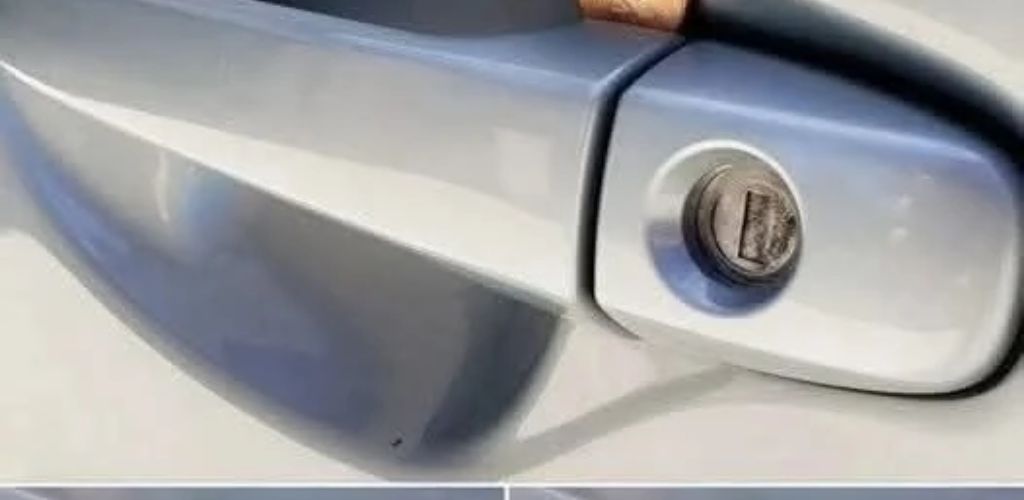
You’re about to start your car when you notice something odd:
👉 A penny stuck in the door handle — or wedged in the lock.
Your mind races:
“Is this a sign of a break-in attempt? A thief’s trick? Or just a weird coincidence?”
Let’s clear up the confusion.
While viral stories claim that pennies in door handles are a car thief’s signal — or a clever trick to disable locks — the truth is more nuanced.
Let’s explore what a penny in your car door really means, whether it’s a security threat, and what you should do — so you can respond with awareness, not fear.
🧠 The Myth: “The Penny Trick” — Do Thieves Use Pennies?
A popular urban legend claims that:
- Thieves insert a penny into the door lock to jam it
- This prevents the owner from locking the car — making it easier to steal later
- Or, they use it as a secret signal to other thieves that the car is unlocked
✅ Sounds sneaky — but in reality, it’s highly unlikely.
Why This Myth Doesn’t Hold Up:
- Modern cars use key fobs, not manual locks — jamming a lock is pointless
- A penny won’t reliably jam a lock — it’s more likely to fall out
- There’s no evidence of organized thief “signaling” systems using coins
- Most car break-ins rely on keyless entry hacking, smash-and-grab, or stolen remotes — not low-tech tricks
🔍 This story has been debunked by law enforcement and automotive experts.
✅ What a Penny in Your Door Handle Could Actually Mean
While it’s probably not a criminal plot, here are more realistic explanations:
1. Accidental Jamming
- A penny could have fallen from a pocket while unlocking the car
- Or gotten stuck during a rainy day when kids or pets were near the door
✅ Harmless — just remove it.
2. Kids or Passengers Playing Around
- Children might have placed it as a joke or game
- Common with loose change in pockets or bags
3. Vandalism or Prank
- Someone may have stuck it in as a harmless prank
- Not a break-in attempt — just mischief
4. Coin Jamming (Rare)
- In older cars with manual locks, a coin might temporarily jam the mechanism
- But this is not a common theft method — and usually fails
✅ If your lock is stuck, check for debris — but don’t assume foul play.
🚨 When to Be Concerned
While a penny alone isn’t a red flag, pay attention if you also notice:
- Scratches or pry marks around the door or lock
- Broken windows or damaged trim
- Items missing from your car
- Your alarm didn’t go off when it should have
👉 These could be signs of a break-in attempt — report them to authorities.
✅ What You Should Do
If you find a penny (or any object) in your car door:
- Remove it carefully — use tweezers or pliers if needed
- Test the lock — make sure it works smoothly
- Check for damage — look for scratches or signs of tampering
- Lock your car — use your key fob or manual lock to confirm it secures
- Stay alert — but don’t panic
🔐 Pro Tip: Park in well-lit, secure areas and avoid leaving valuables in sight.
🛡️ How to Protect Your Car (Real Threats)
Instead of worrying about pennies, focus on real car security risks:
| Keyless entry relay attacks | Store keys in a signal-blocking pouch |
| Smash-and-grab thefts | Never leave phones, bags, or wallets visible |
| Stolen key fobs | Keep spares in a safe place |
| Unlocked doors | Double-check before walking away |
| Valet or public parking risks | Use steering wheel locks or dashcams |
📱 Consider a car alarm with motion detection or 360-degree camera system.
Final Thoughts
Seeing a penny in your car door handle is more likely a random occurrence than a criminal mastermind’s plan.
While it’s good to be aware, don’t let myths fuel fear.
Instead, focus on proven ways to protect your vehicle — like locking your doors, parking safely, and staying alert.
Because true car safety isn’t about pennies.
It’s about smart habits, modern tech, and peace of mind.
And that’s something worth investing in.