Introduction:
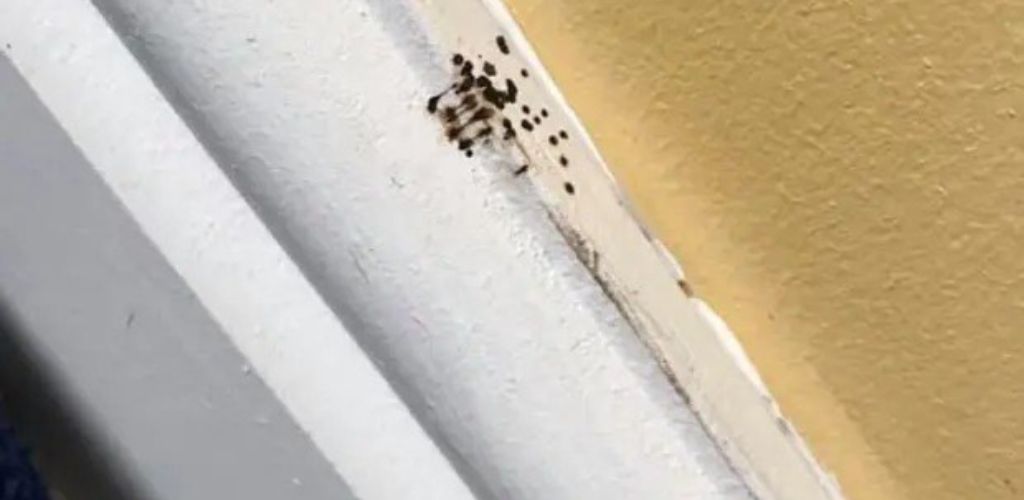
Your kitchen is meant to be a place of comfort and nourishment—but sometimes, it can be the first place to reveal signs of an unwelcome presence. If you’ve recently noticed small, black dots around baseboards, on countertops, near appliances, or clustered in corners, don’t just brush them away. These seemingly harmless specks could indicate a much larger problem: pest activity. Most commonly, these dots are insect droppings—especially from cockroaches or rodents—and their appearance is a red flag you shouldn’t ignore.
Let’s explore how to recognize these black dots for what they are, why they’re showing up, and what you can do to protect your kitchen and your health.
Ingredients:
(While this isn’t a traditional recipe, we’ll treat the components of identification and resolution like “ingredients.”)
Observant eyes: Be alert to patterns and placements of the black dots.
A flashlight: To check behind appliances and in dark crevices.
Cleaning supplies: Disinfectant, gloves, paper towels or cleaning cloths.
Sealing materials: Caulk or steel wool for cracks and entry points.
Pest control options: DIY sprays, traps, or professional extermination services.
Preparation:
Investigate the dots closely. Are they hard or soft? Do they smear when wiped? Cockroach droppings often resemble black pepper or coffee grounds, while rodent droppings are pellet-like and slightly larger.
Trace the location. Black dots appearing near food, under the sink, or behind the stove are likely pest-related. Look for additional signs like egg casings, chewed packaging, or odd odors.
Clean the area thoroughly. Use gloves and disinfectant to remove all visible droppings. Avoid dry sweeping to prevent spreading contaminants into the air.
Seal entry points. Use caulk around baseboards and steel wool to block holes, especially under sinks and behind appliances.
Deploy pest control methods based on the intruder. For roaches, bait stations and insect growth regulators are effective. For mice, traps and exclusion are critical.
Serving and Storage Tips:
There’s nothing to “serve” here—but storing your food properly is crucial to prevent pests. Keep dry goods in airtight containers, wipe surfaces regularly, and take out trash daily. Inspect packages from the store for holes or chew marks before bringing them in.
Variant:
If the black dots are appearing in a humid area, they might be mold spores rather than droppings. In this case, address ventilation and moisture issues, and clean with mold-specific cleaners. However, mold tends to smear green or grayish and has a different smell and texture from pest droppings.
Frequently Asked Questions:
Q: How can I be sure it’s not just dirt?
A: Dirt typically doesn’t smear darkly or appear repeatedly in the same spots. Droppings are often accompanied by other signs like odor or damage to food packaging.
Q: Are these black dots dangerous?
A: Yes. Pest droppings can spread bacteria like Salmonella and E. coli, posing serious health risks if left uncleaned or if pests contaminate food surfaces.
Q: Do I need a professional exterminator?
A: If you notice a consistent problem or infestation, calling a pest control professional is highly recommended. They can identify the species, locate nests, and treat the problem more effectively than DIY methods alone.
Q: Will cleaning alone get rid of the problem?
A: Cleaning removes evidence but not the source. Without addressing entry points or nesting sites, the pests will likely return.
Conclusion:
If mysterious black dots are showing up in your kitchen, don’t ignore them. Whether it’s pests or mold, these signs point to a larger issue that needs swift and thorough attention. A cleaner, safer kitchen starts with awareness—and action.
Would you like this adapted for a blog post or printable handout format?