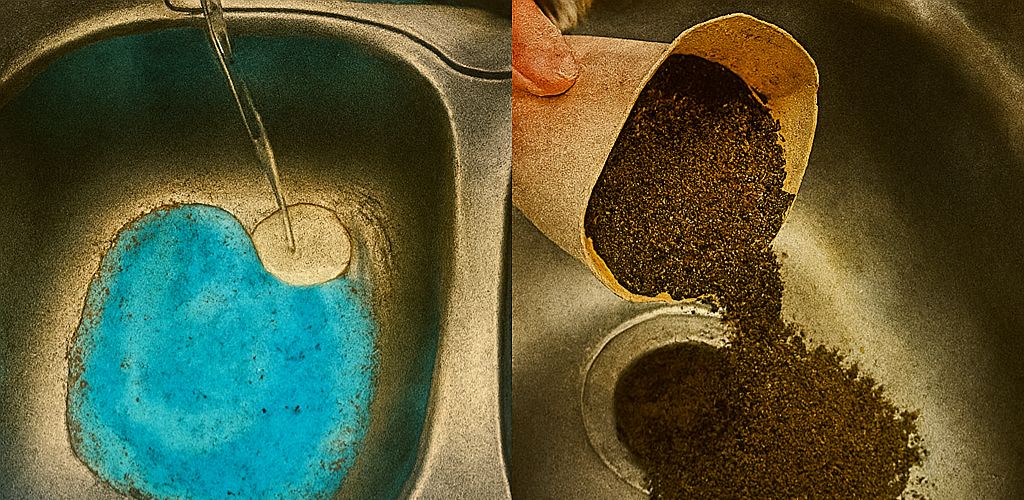
Think twice before pouring household waste down the drain. Discover 25 common items that can damage your plumbing, pollute water systems, and harm the environment. Learn how to dispose of them safely and protect your home and planet.
🚫 25 Things You Should Never Pour Down the Sink
Most people don’t realize that many everyday household items can be dangerous when disposed of down the drain. While it may seem convenient, improper disposal can clog pipes, damage plumbing systems, and contaminate water sources. Surprisingly, even items that appear harmless can cause long-term problems. Before you rinse anything down the sink, make sure it’s safe to do so.
⚠️ Why Improper Drain Disposal Is Harmful
Over time, certain substances build up inside pipes, leading to stubborn clogs and expensive repairs. Beyond plumbing, these materials can enter the water supply and disrupt aquatic ecosystems. Protecting your home and the environment starts with keeping harmful items out of the drain.
| Risk Type | Impact |
|---|---|
| Plumbing Damage | Clogs, corrosion, costly repairs |
| Environmental Harm | Water pollution, ecosystem disruption |
| Health Hazards | Toxic exposure, contamination risks |
🧾 Common Household Items You Should Never Drain
| Category | Items to Avoid | Why It’s Harmful |
|---|---|---|
| Grease & Oils | Cooking oil, butter, lard | Solidifies in pipes, traps debris |
| Food Waste | Pasta, rice, vegetable peels | Expands or tangles, causes blockages |
| Coffee Grounds | Used grounds | Clumps together, frequent clog culprit |
| Eggshells | Crushed shells | Combine with other waste, block pipes |
| Chemicals | Paint, solvents, bleach | Corrosive, toxic to water systems |
| Cleaning Products | Harsh detergents | Pipe corrosion, environmental risk |
| Medications | Pills, liquids | Contaminate water, harm aquatic life |
| Personal Hygiene | Wipes, cotton balls, floss | Non-biodegradable, clog plumbing |
| Beauty Products | Hair, lotions, nail polish remover | Accumulate, corrode, pollute |
| Automotive Fluids | Motor oil, antifreeze | Highly toxic, long-lasting contamination |
| Alcohol | Large quantities | Can corrode pipes over time |
🌍 Environmental Impact & Proper Disposal Tips
Many of these substances contain chemicals that don’t break down easily, leading to long-term pollution and ecosystem damage. Protecting water sources and wildlife starts with responsible disposal.
- Compost Organic Waste: Vegetable scraps, pasta, and rice enrich soil naturally.
- Recycle Hazardous Materials: Take motor oil, paint, and antifreeze to certified recycling centers.
- Use Trash for Thick Liquids: Dispose of excess lotions and creams in the garbage, not the drain.