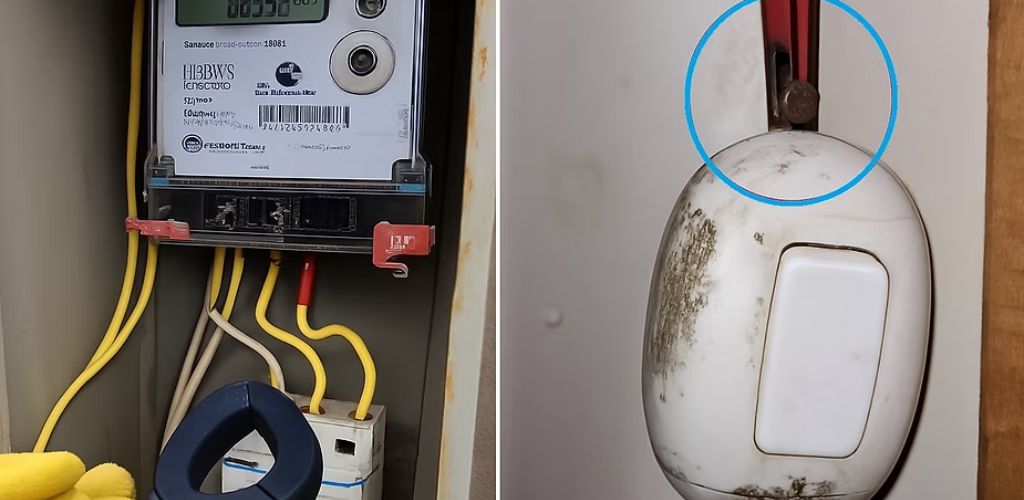
Discover how a small electrical leak caused by a rusty nail can silently increase your electricity bill. Learn the technical analysis, real consumption costs, and safety risks, plus expert tips to prevent hidden power losses.
⚡ How Can an Electrical Leak Raise Your Energy Bill?
An electrical leakage occurs when current escapes its intended circuit and flows into the ground, surrounding structures, or conductive materials such as screws or nails. While the loss may seem insignificant, the continuous 24/7 drain can lead to higher electricity costs every month.
🔧 Why Can a Rusty Nail Trigger an Electrical Leak?
- The nail made direct contact with a conductor (due to damaged or poorly installed wiring).
- Oxidation turned the nail into a semi-conductive bridge between the cable and the wall.
- As a result, the nail acted as a passive resistor, constantly draining energy from the live circuit.
📊 Technical Breakdown: How Much Energy Is Lost?
To estimate power loss, we consider common household conditions:
- Voltage supply: 220V (standard in Latin America and parts of Europe).
- Leakage current range: 50 mA to 300 mA, depending on conductivity.
- Leakage duration: 24 hours a day, 30 days a month.
Calculation formula:
Power (W) = Voltage (V) × Current (A)
Monthly Consumption = Power × Hours/day × Days/month
| Case | Leakage Current | Power Loss | Monthly Consumption |
|---|---|---|---|
| Mild | 50 mA | 11 W | 7.9 kWh |
| Moderate | 150 mA | 33 W | 23.7 kWh |
| Severe | 300 mA | 66 W | 47.5 kWh |
💰 How Much Money Could Be Lost?
Based on average kWh rates:
| Level of Leakage | Monthly Cost (USD) | Annual Cost (USD) |
|---|---|---|
| Mild (50 mA) | $1.07 – $1.28 | $12.84 – $15.36 |
| Moderate (150 mA) | $3.20 – $3.84 | $38.40 – $46.08 |
| Severe (300 mA) | $6.42 – $7.71 | $77.04 – $92.52 |
➡️ Over a year, this could add up to hundreds of dollars in wasted energy—all from a single rusty nail.
🧨 Additional Safety Hazards
Electrical leaks are not only a financial burden but also a serious safety risk:
- 🔥 Overheating of walls, wood, or drywall.
- ⚡ Potential damage to appliances and sensitive electronics.
- 🧯 Risk of fire or electric shock if metal structures become live.
- ⚠️ Possible tripping of the Residual Current Device (RCD), if installed.
✅ Technical Recommendations
- Install circuit breakers and RCDs (Residual Current Devices) to detect leakage.
- Inspect both visible and hidden wiring at least once every two years.
- Avoid drilling, nailing, or screwing near outlets or switches without a cable detector.
- If your energy bill increases unexpectedly, consult a certified electrician to test for leakage with specialized tools.
A simple rusty nail can turn into a silent energy thief, raising bills, causing long-term financial losses, and putting your household at risk. Stay alert, keep your wiring safe, and avoid hidden leaks that could cost you more than money.
👉 Don’t forget to subscribe, like, and share this article to spread awareness and help others prevent hidden energy losses.