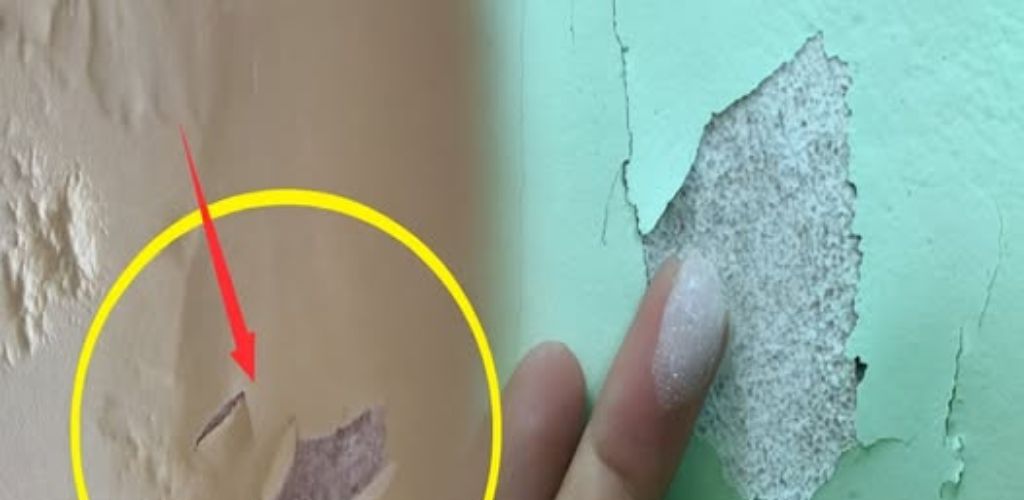
The walls of our home are like a letter of introduction: they speak volumes about the care and attention we give to our home. Over time, problems such as mold stains, peeling paint, or even blisters can appear on the surface. These defects not only ruin the aesthetics, they also convey dampness, deterioration, and a sense of neglect.
The good news is that you don’t need to spend a lot of money or hire a professional to bring them back to life. With inexpensive, household materials, you can clean, repair, and prevent future damage.
How to repair a moldy, peeling, or blistered wall without breaking the bank
Homemade repair of moldy walls (with vinegar)
White vinegar is a natural fungicide ideal for small areas.
- Mix: Put equal parts water and vinegar in a spray bottle.
- Application: Spray the moldy area and let it sit for 20 minutes.
- Brushing: Scrub with a stiff bristle brush until removed.
- Prevention: Place baking soda in a nearby container to absorb moisture.Tip: Vinegar is safe and does not leave strong odors.
Homemade mold repair for walls (with bleach)
When mold is very advanced, bleach is an inexpensive and very effective resource:
- Preparation of mixture: Dilute 1 part of bleach (chlorine) in 3 parts of water.
- Application: Wearing gloves and a mask, apply the mixture to the mold with a rag, sponge, or sprayer.
- Action: Let it sit for at least 15 minutes for the chlorine to kill the spores.
- Rinse: Clean with clean water and dry the surface thoroughly.
Tip: Never mix bleach with vinegar or ammonia, as it creates toxic fumes.
Homemade repair of peeling walls
- Remove loose paint: Use a spatula to remove all the loose paint.
- Sand the edges: Use fine sandpaper to smooth the surface.
- Homemade filler paste: Mix talcum powder with white glue until you get a paste and use it to fill cracks.
- Cheap Sealing: Brush the area with water and diluted white glue to help the paint adhere better.
- Inexpensive paint: Use leftover paint you have at home or apply slaked lime, which is inexpensive and protects against mold.
Homemade repair of blistered walls
Paint blisters occur when moisture is trapped in the paint or when paint was applied over a dirty or wet surface. To fix them:
- Identify the cause: If the wall has moisture behind it, first try to ventilate or dry the area (you can use a home fan or open windows).
- Scrape the blister: Using a spatula, open the bulging area and remove all loose paint.
- Drying: Allow the wall to dry completely before continuing.
- Homemade Filler: Apply homemade talcum powder and white glue paste to the affected area to level it.
- Sanding: Once the paste is dry, sand gently until smooth.
- Homemade sealing: Use a mixture of water and white glue to reinforce the surface.
- Repainting: Use up any paint you have at home. If that’s not enough, you can create a decorative design to hide the color difference.
- Tip: Never paint directly over the blister, as it will reappear.
Additional practical tips
- Constant ventilation: The best prevention of mold and blisters is to allow air to circulate.
- Use household materials: Vinegar, bleach, baking soda, lime, and white glue are accessible allies.
- Preventative maintenance: Detect and repair small stains or bubbles in time before the problem becomes bigger.
- Creativity in decoration: If you don’t have enough paint, take advantage of it to add a different style: stripes, sponge figures, or homemade murals.